

Water Levels in the Dniester Remain Critically Low: Environmental Experts Warn of Risks to the River Ecosystem
 Moldova
10.11.2026
The hydrological situation in the Dniester River basin remains difficult, although signs of partial stabilization have emerged in recent weeks. Persistently low water levels continue to pose risks to the river ecosystem and water supplies for communities in Ukraine and the Republic of Moldova.
This was reported on 9 November 2026 by the Moldovan publication Logos Press, citing assessments by Ilya Trombitsky, Director of the environmental organization Eco-TIRAS.
According to the reported data, water inflow from the Carpathian part of the Dniester basin into the Dniester Reservoir currently stands at 67–70 m³/s, while water discharge through the turbines of the Dniester Hydropower Plant (HPP-1) has remained at approximately 56 m³/s during November.
As inflow exceeds discharge, the reservoir's water level has risen to 111.16 meters, although it remains below the 112-meter threshold identified by the hydropower plant's management as the lower limit of its normal operating level.
Meanwhile, water discharge from the Dubăsari Reservoir stands at approximately 73 m³/s, with the water level reaching 28.27 meters above sea level.
Forecasts indicate that approximately 20 mm of precipitation may fall in the upper Dniester basin over the next two weeks. Despite some improvement compared with September and October, water levels in the lower reaches of the river are expected to remain low.
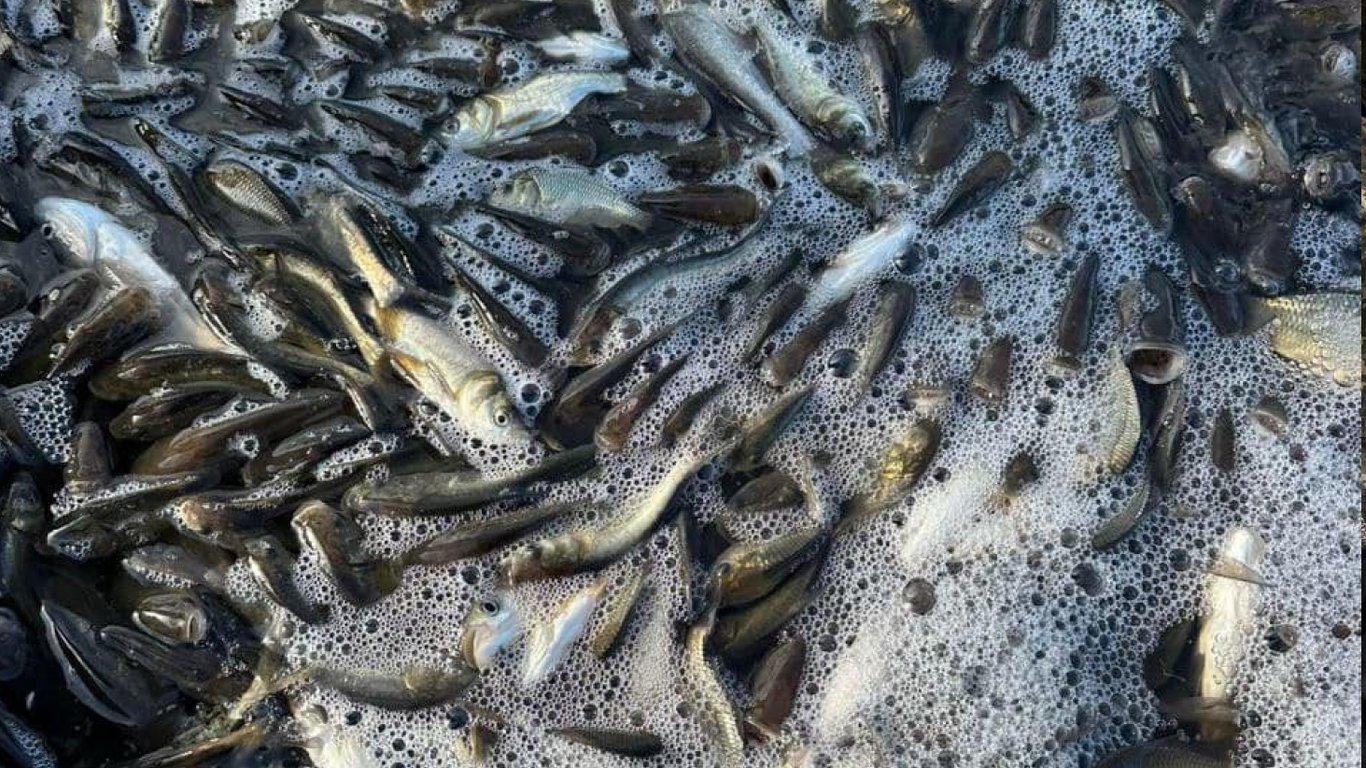
Environmental experts are particularly concerned about the potential consequences of the winter season. Prolonged ice formation, combined with low water levels and organic pollution, could deteriorate oxygen conditions in the river and lead to mass fish mortality.
An additional source of uncertainty is the possible adjustment of the Dniester hydropower complex's operating regime to accumulate water for energy production. The Moldovan side emphasizes the importance of maintaining stable water releases to the lower reaches of the river.
Commentary by the Institute of Danube Research
The situation in the Dniester basin highlights the growing interdependence of water security, environmental sustainability, and energy security in Ukraine and the Republic of Moldova.
Temporary stabilization of hydrological indicators does not mean that systemic risks have been overcome. Ensuring an environmentally justified flow regime is becoming increasingly important, taking into account the needs of local populations, energy infrastructure operations, and the preservation of natural ecosystems.
According to the Institute of Danube Research, priority areas for Ukrainian-Moldovan cooperation should include strengthening joint hydrological monitoring, exchanging operational data on water levels and discharge regimes, and developing coordinated mechanisms for responding to prolonged periods of low water availability.
The strategic objective is to move from reactive management of water-related challenges towards integrated transboundary governance of the Dniester River basin, based on environmental sustainability, transparency, and the balanced use of water resources.
Preserving the Dniester ecosystem should be regarded as a shared long-term interest of Ukraine and Moldova, particularly in the context of climate change and increasing pressure on regional water resources.
 Ukraine
 Romania

 Bulgaria
 Hungary
 Austria
 Danube