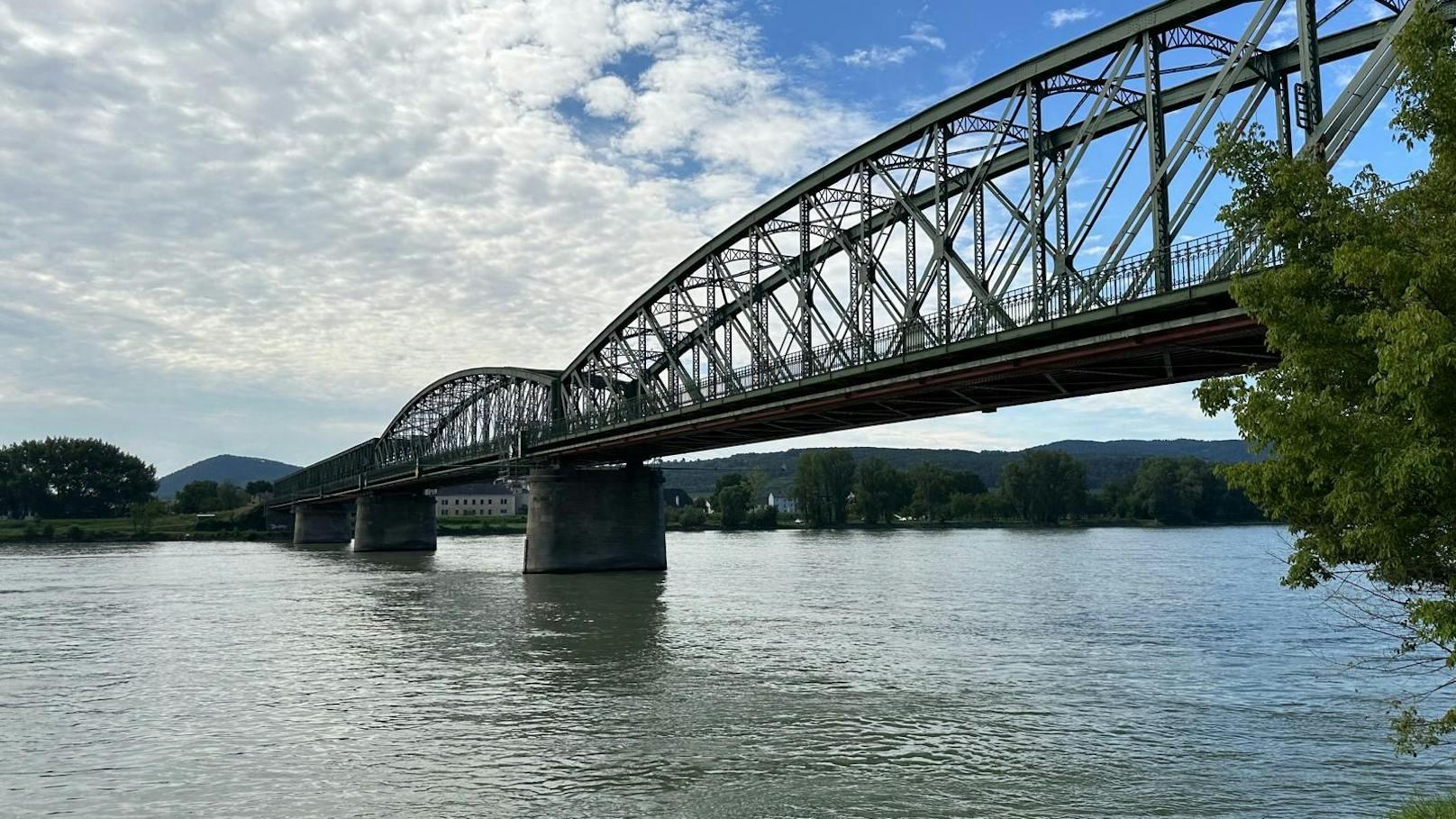


Low Water Levels on the Danube in Austria Threaten the Economic Viability of Freight Navigation
 Austria
10.11.2026
Austria has assessed the consequences of exceptionally low water levels on the Danube during the summer of 2026, which significantly restricted freight navigation and highlighted growing climate-related risks for one of Europe's most important transport corridors.
According to the Austrian publication Donaublatt, which reported on the situation on 9 November, water levels in certain sections of the Danube fell to levels comparable to those recorded during the severe low-water periods of 2003 and 2018.
According to the Austrian waterway management company viadonau, water levels along free-flowing sections of the river in early August were approximately 60 centimetres below the long-term low-water reference levels.
The available fairway depth in the Wachau section was approximately 2 metres, while east of Vienna it decreased to 1.8 metres.
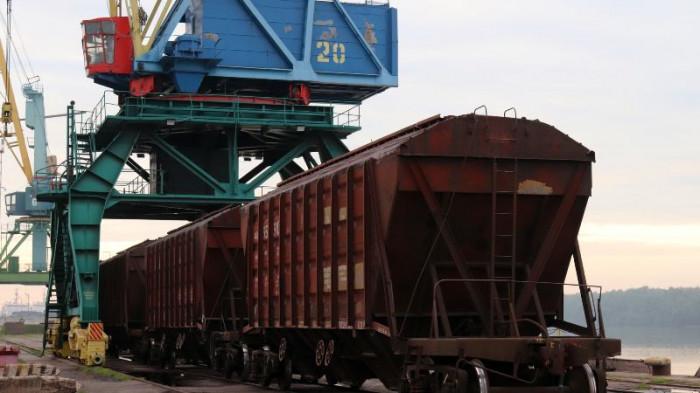
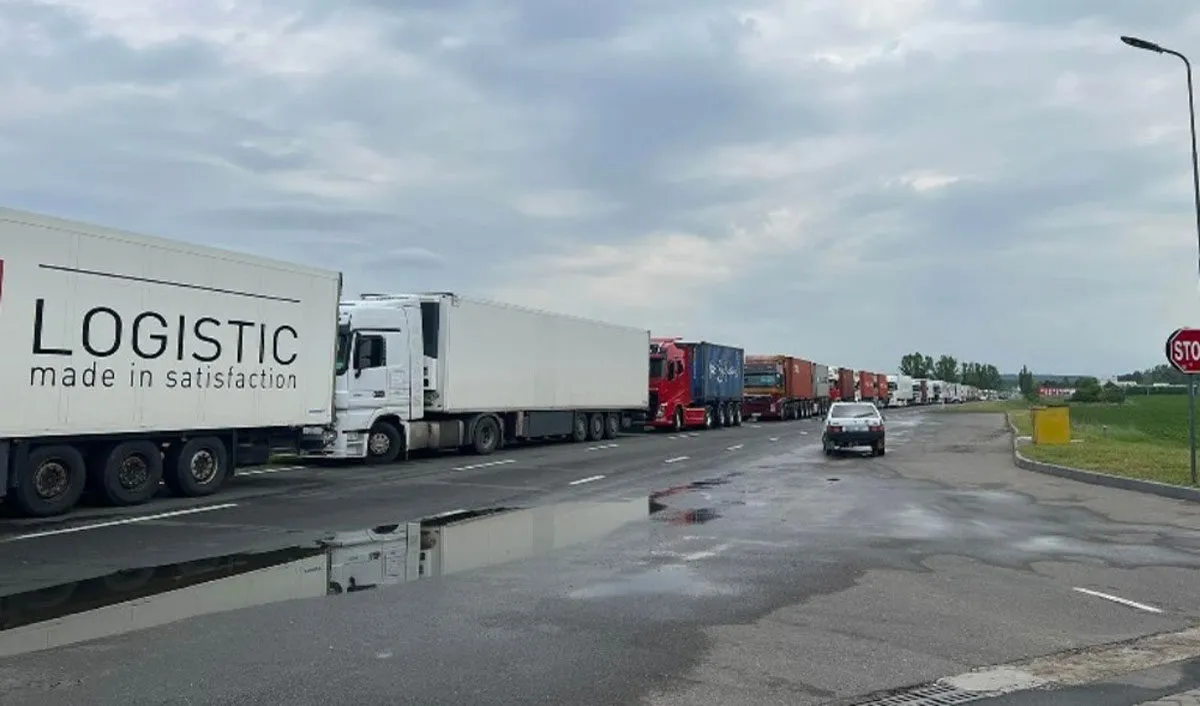
Although the waterway was not officially closed, cargo vessels were forced to substantially reduce their loads. Consequently, shifting freight transport to rail or road became more economically viable in many cases.
According to Statistics Austria, August 2026 was the second weakest month for Danube freight transport volumes since statistical records began in the early 1990s.
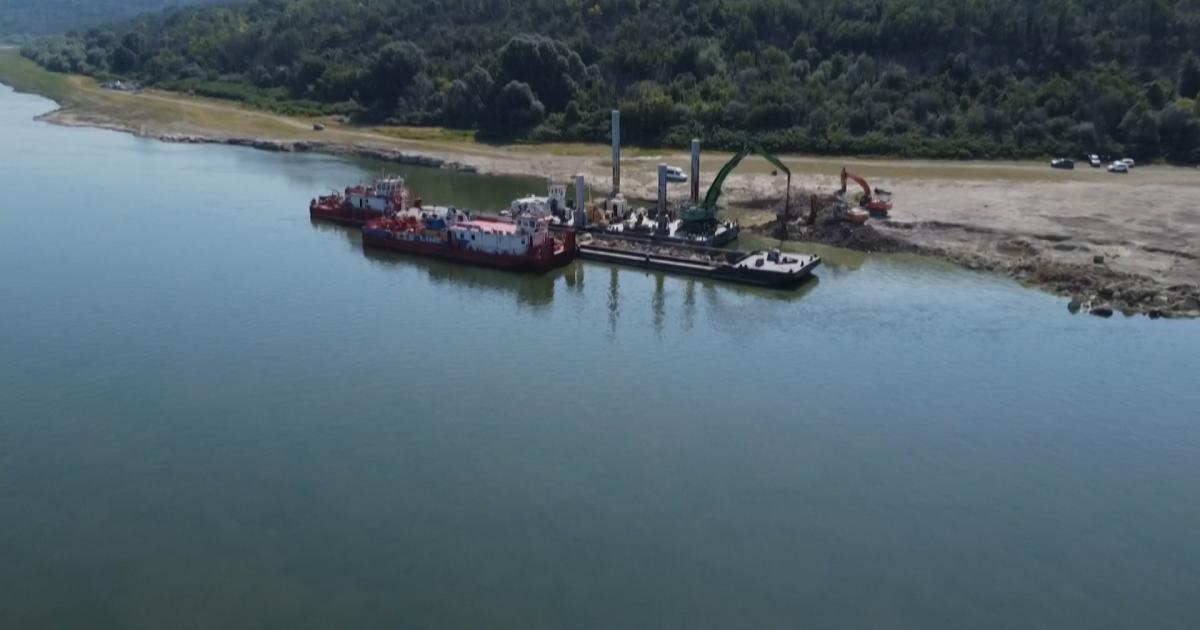
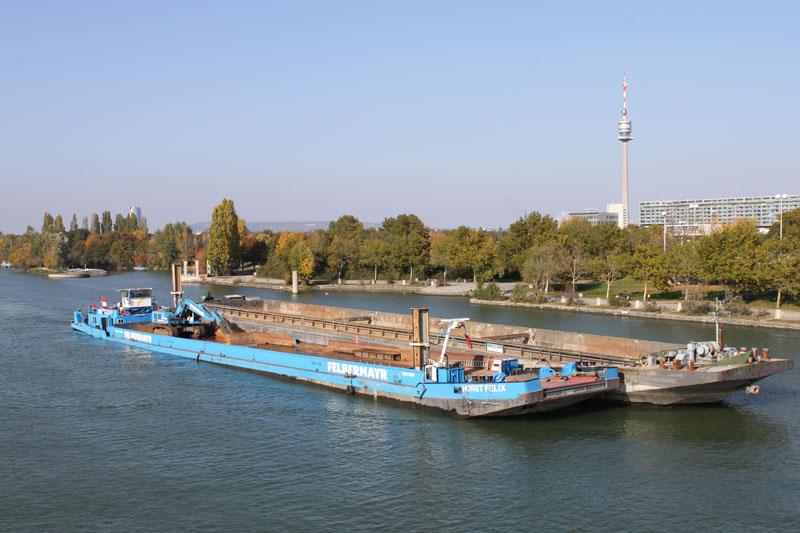
To maintain navigability, viadonau is carrying out dredging operations, improving water-level forecasting and testing an innovative approach known as Flexible Infrastructure. This technology involves positioning specially loaded barges to redirect water flow into the navigation channel, reducing sediment accumulation and the need for dredging.
Commentary by the Institute of Danube Research
Austria's experience demonstrates that low water levels on the Danube are evolving from a seasonal natural phenomenon into a systemic economic risk for international logistics.
The key challenge is that formally maintaining navigation does not necessarily guarantee its economic viability. Reduced vessel loading capacity increases transport costs and undermines the competitiveness of inland waterway transport.
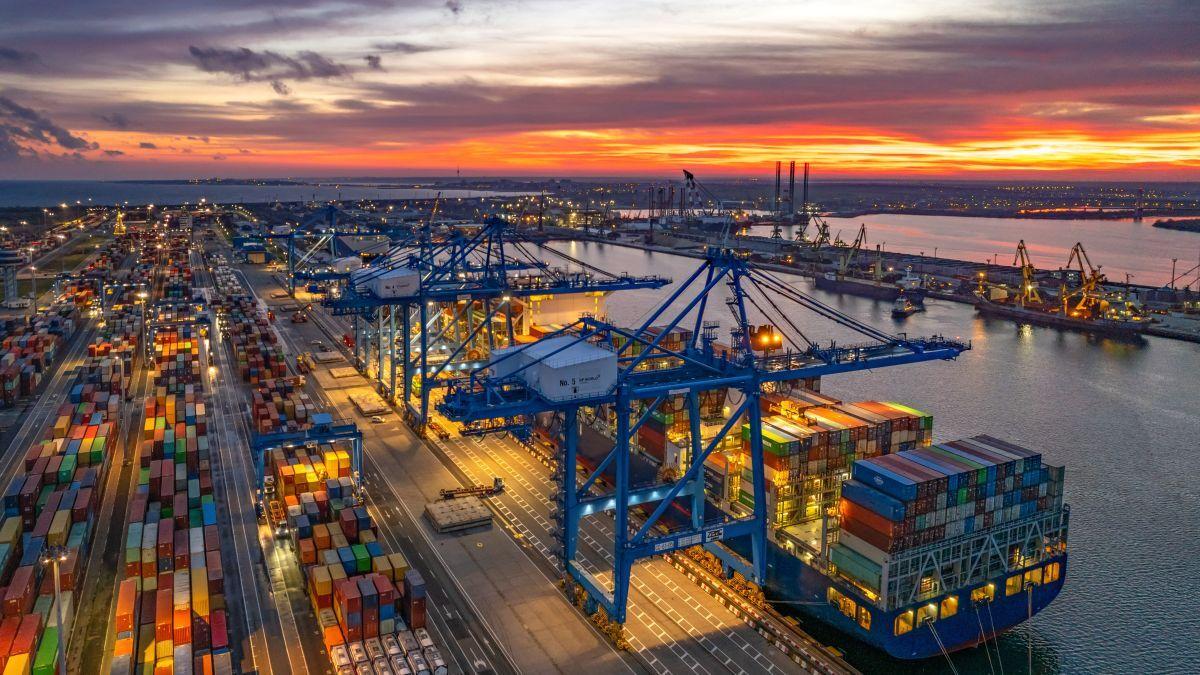
For Ukraine, these developments are particularly relevant because the Danube ports of Reni, Izmail and Ust-Dunaisk operate within an interconnected European transport system.
The Institute of Danube Research emphasises the importance of developing joint hydrological forecasting mechanisms, coordinating fairway maintenance and dredging activities, strengthening multimodal logistics, and implementing nature-based approaches to river management.
Such measures should become an integral part of a common strategy to improve the climate resilience of the Danube transport corridor.

 Ukraine
 Romania

 Moldova
 Bulgaria
 Hungary



 Danube