

Romania Advances Bala 2 Project to Strengthen Danube Navigation and Energy Security
 Romania
13.11.2026
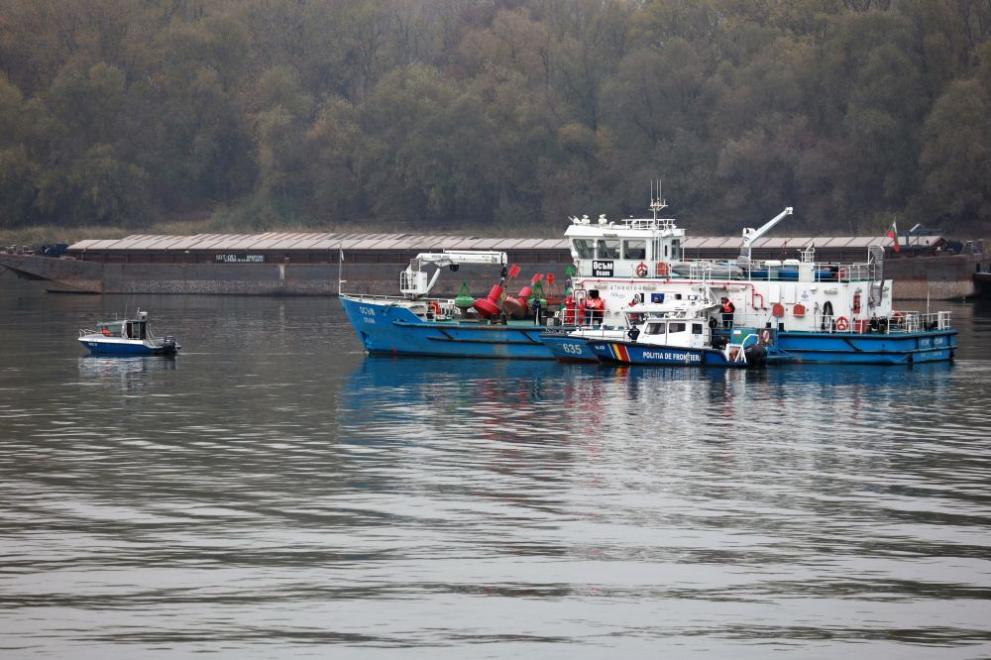
Romania has established a joint working group involving the Ministry of Transport and the Ministry of Energy to advance the strategic Bala 2 project, aimed at improving water flow management along the Danube and strengthening the resilience of the country's critical energy infrastructure.
The initiative was announced on 12 November following technical consultations between representatives of the two ministries.
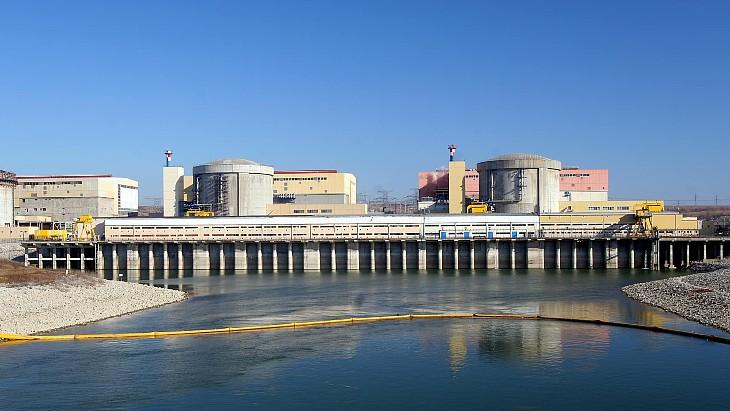
One of the project's principal objectives is to ensure sufficient water availability for cooling operations at the Cernavodă Nuclear Power Plant, whose operation depends on the Danube's hydrological conditions.
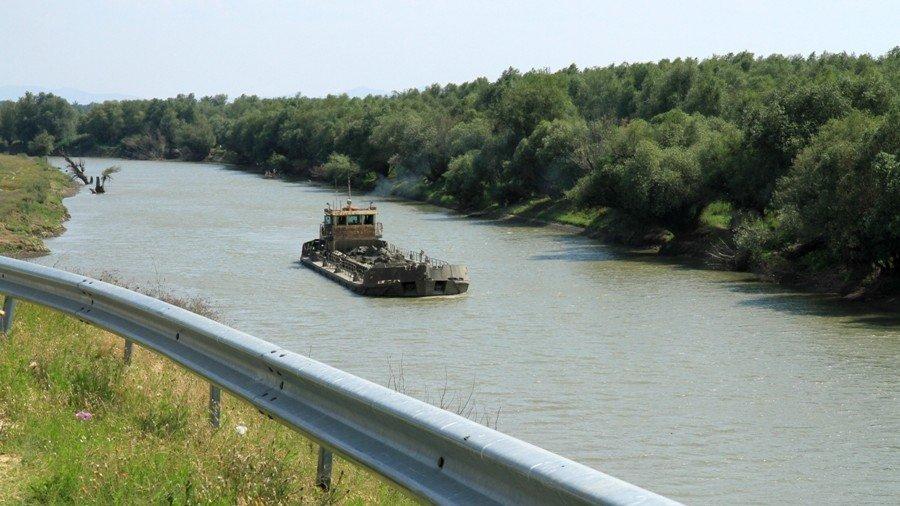
At the same time, Bala 2 is expected to improve navigation conditions throughout the year, particularly during periods of seasonal low water levels.
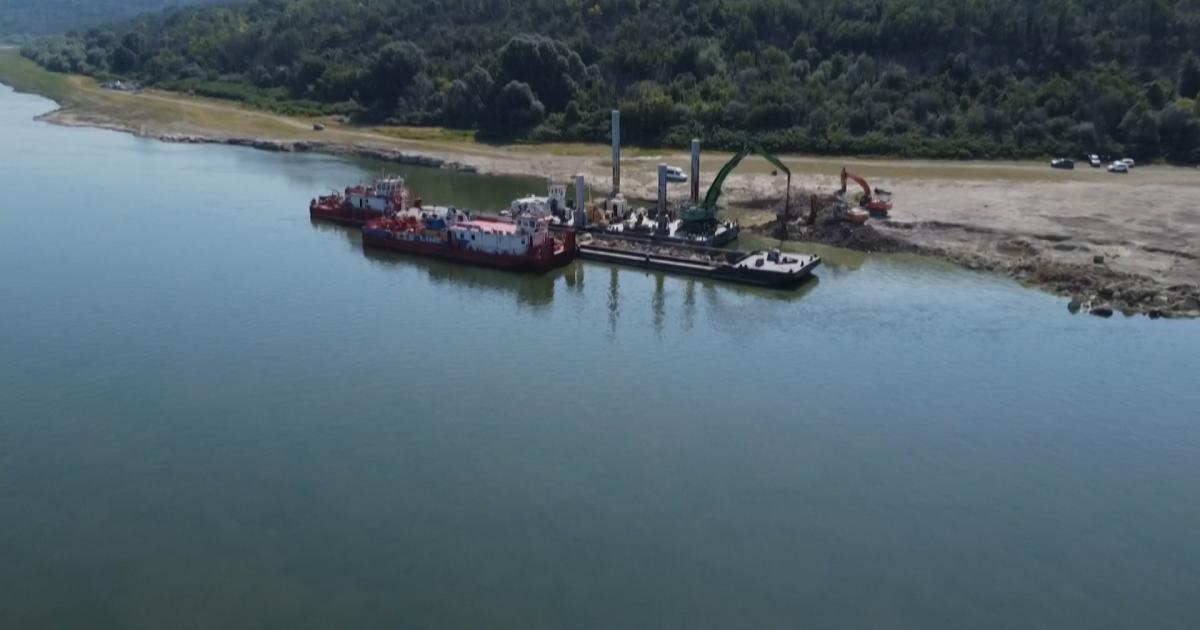
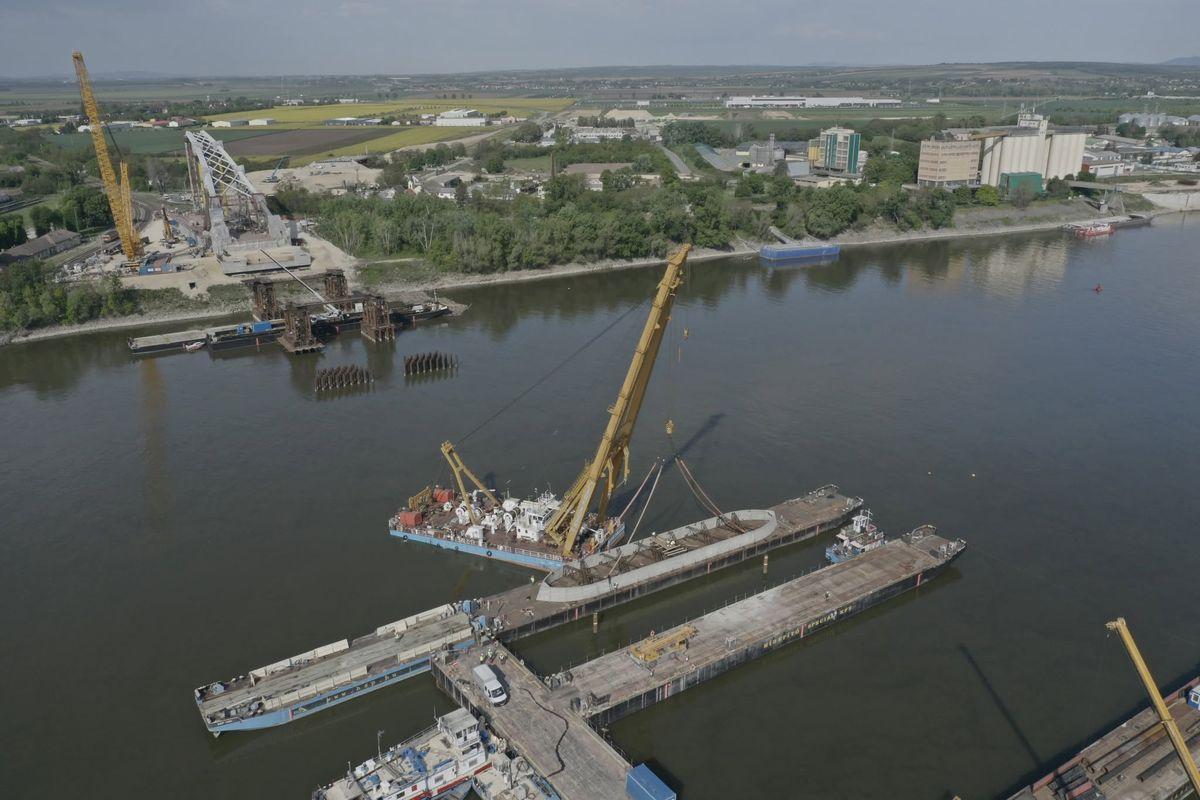
The project envisages a range of hydraulic engineering interventions near the Danube's branching sections, including water flow regulation, riverbed improvements and measures to maintain adequate navigational depths.
According to information reported by the Romanian side, approximately EUR 200 million is being considered as potential initial financing. The final project cost and funding arrangements remain subject to further clarification.
Commentary by the Institute of Danube Research (IDR)
The development of Bala 2 illustrates Romania's gradual transition from addressing isolated navigation challenges towards a more integrated approach to managing the Danube's water resources.
Under changing climatic conditions, the stability of river discharge is becoming a determining factor not only for freight transport but also for energy security, industrial development and the operation of critical infrastructure.
Particular attention should be paid to ensuring that hydraulic engineering interventions are consistent with environmental requirements, including the preservation of fish migration routes and the restoration of wetland ecosystems.
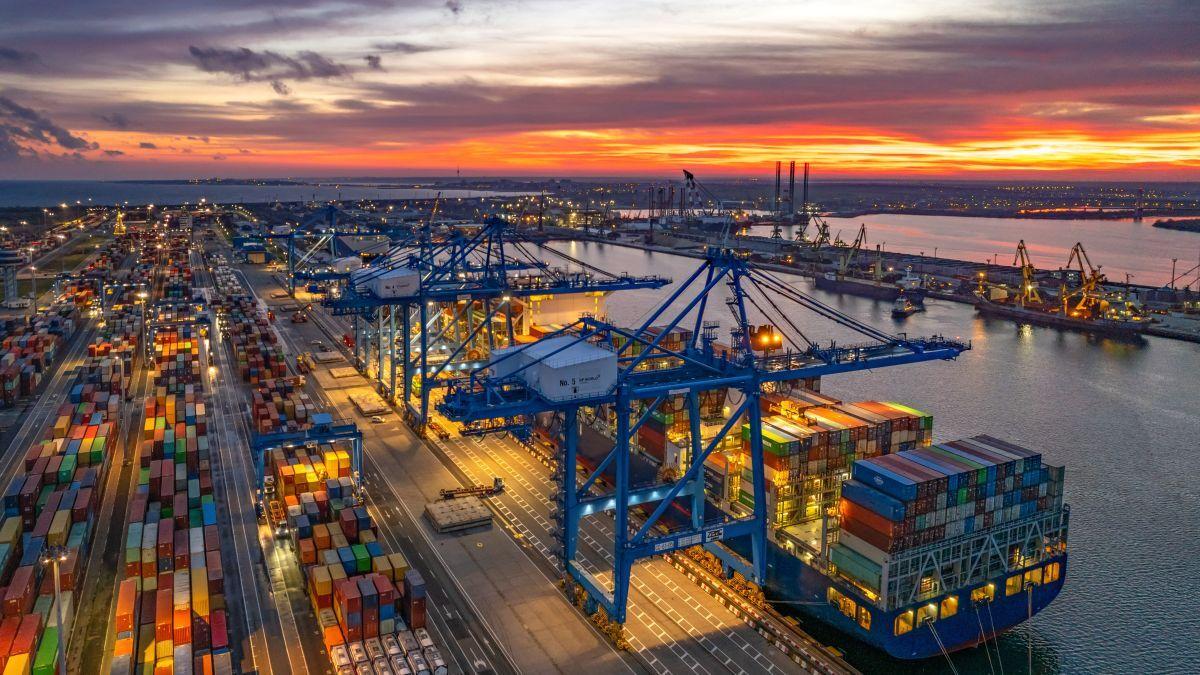
For Ukraine, Romania's experience is particularly relevant to the modernization of Danube ports, the maintenance of reliable navigation conditions and the development of coordinated transboundary water management policies.
The Institute of Danube Research emphasizes that sustainable development of the Danube transport corridor requires a comprehensive approach integrating energy security, navigation efficiency and environmental protection.

 Ukraine

 Moldova
 Bulgaria
 Hungary
 Austria
 Danube