

Austria Presents New Results in Modernising the Danube Waterway under FAIRway Danube II
 Austria
11.11.2026
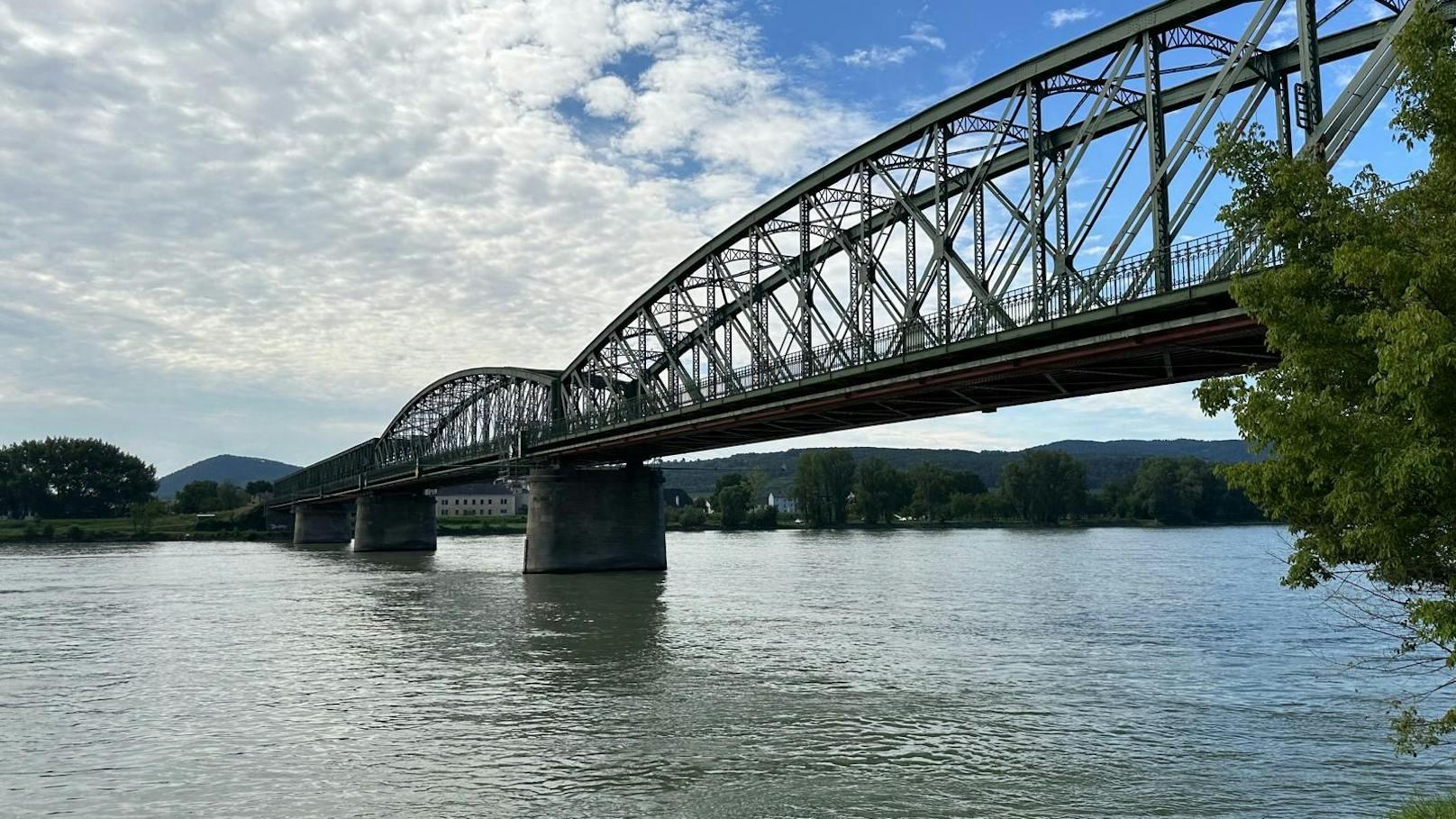
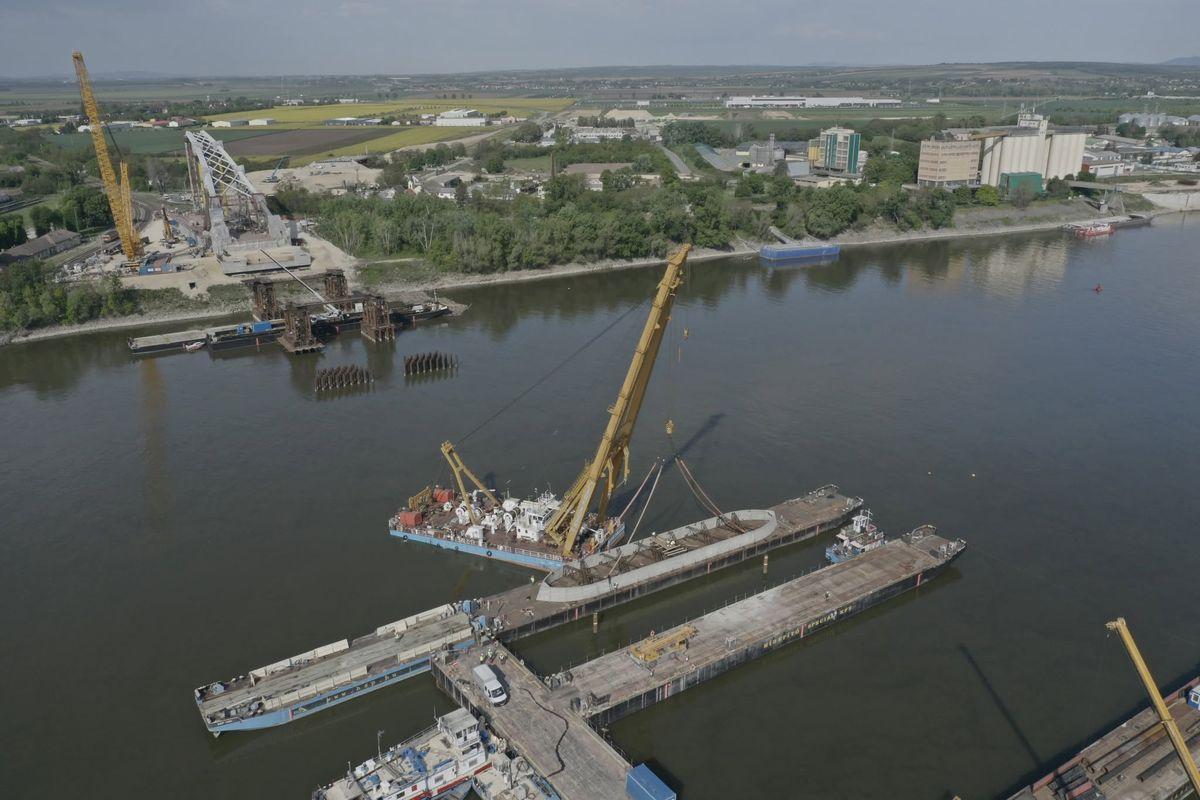
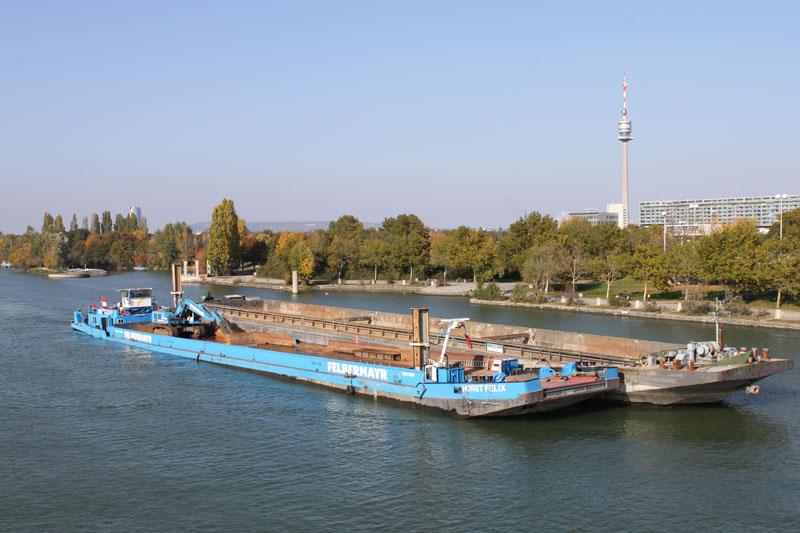
The Austrian waterway management company viadonau has reported new results from the implementation of the international FAIRway Danube II infrastructure project, aimed at improving navigation reliability and adapting the Danube waterway to climate change.
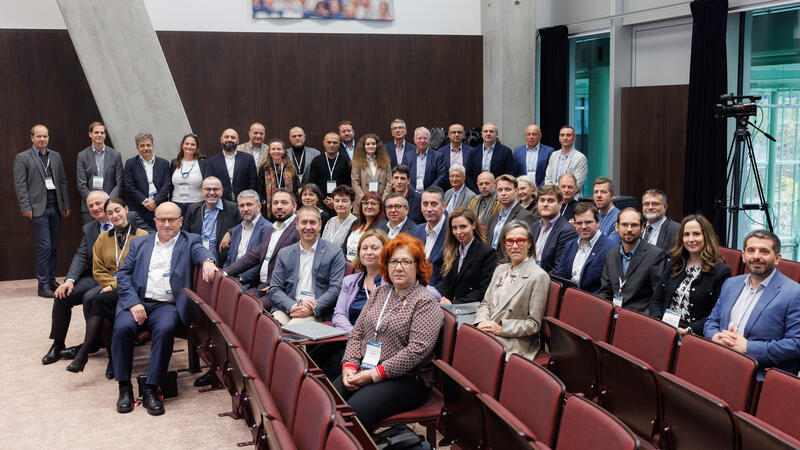
The information was published on 10 November 2026 following the fourth meeting of the FAIRway Danube II Advisory Committee, held in Brussels on 4 November.
The meeting brought together representatives of the European Commission, shipping companies, environmental organisations and international project partners.
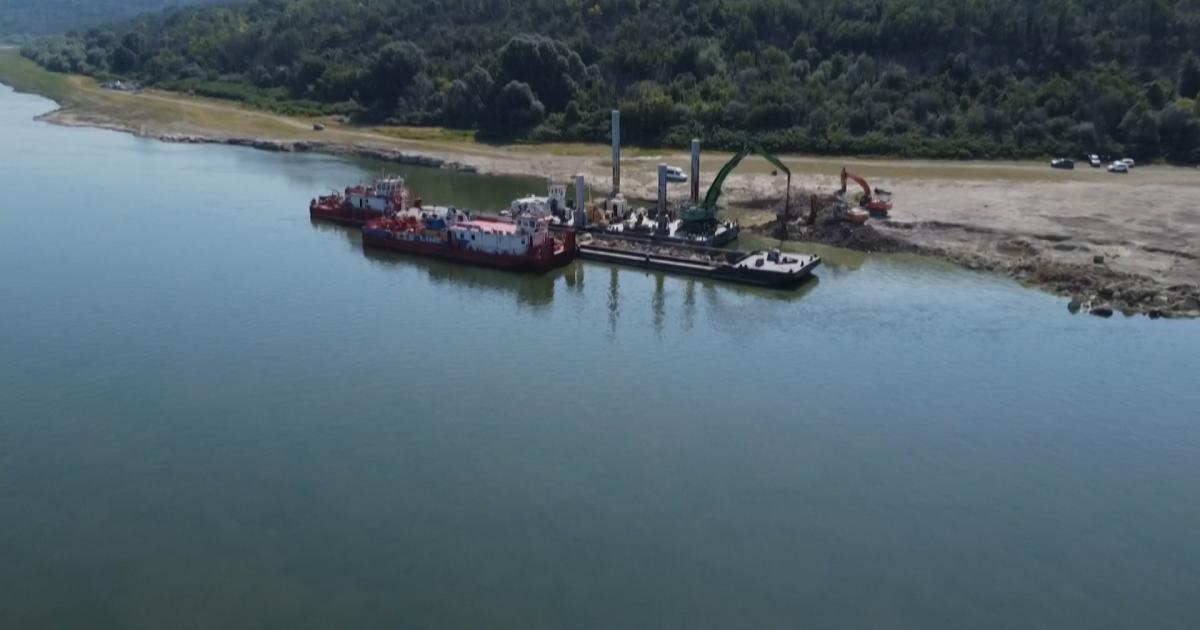
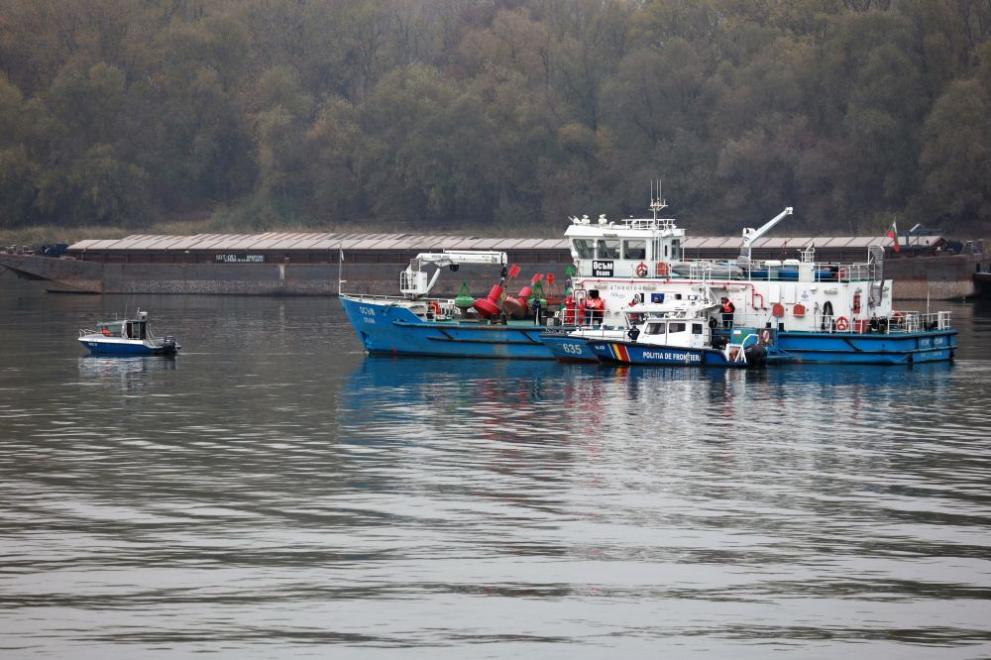
Key priorities include improving the transnational Waterway Monitoring System (WAMOS), developing flexible infrastructure to address low-water conditions, and modernising vessel mooring facilities.
Particular attention was given to balancing transport development with the protection of river ecosystems.
The project is co-financed by the European Union through the Connecting Europe Facility (CEF).
Commentary by the Institute of Danube Research
FAIRway Danube II demonstrates a gradual shift in European transport policy from infrastructure-oriented development towards comprehensive management of the resilience of international waterways.
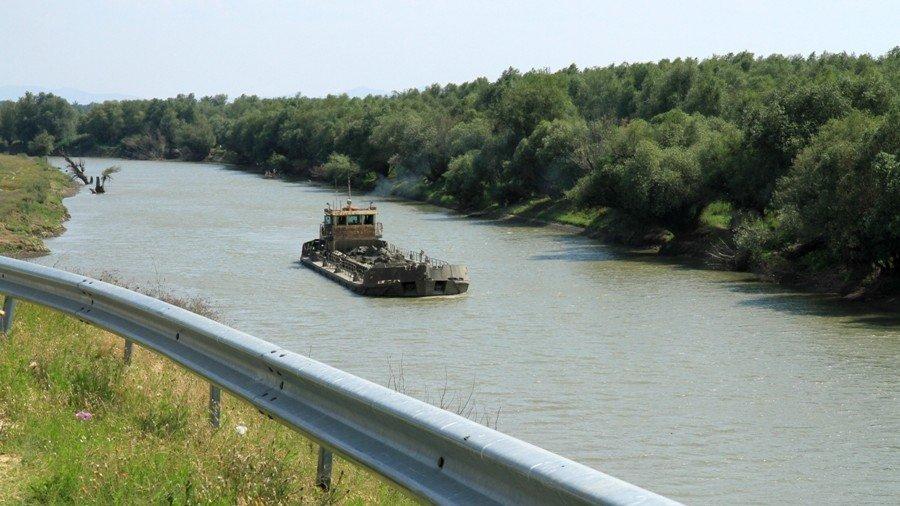
For the Danube Region, the introduction of technologies for forecasting navigational depths, monitoring shallow-water sections in real time, and adaptively managing navigation channels is particularly important.
The Institute of Danube Research (IDR) emphasises that such solutions are strategically important for the Ukrainian section of the Lower Danube, where seasonal fluctuations in water levels limit vessel loading capacity and reduce the competitiveness of port logistics.
Promising areas for international cooperation include integrating Ukrainian navigation information systems with European waterway management platforms and introducing environmentally sustainable approaches to maintaining navigability.
The modernisation of the Danube must simultaneously ensure transport efficiency, climate adaptation and the preservation of natural ecosystems.
 Ukraine
 Romania
 Moldova
 Bulgaria
 Hungary
 Danube