

Romania and Bulgaria Expand Cross-Border Cooperation Along the Danube Through Interreg
 Bulgaria
06.11.2026
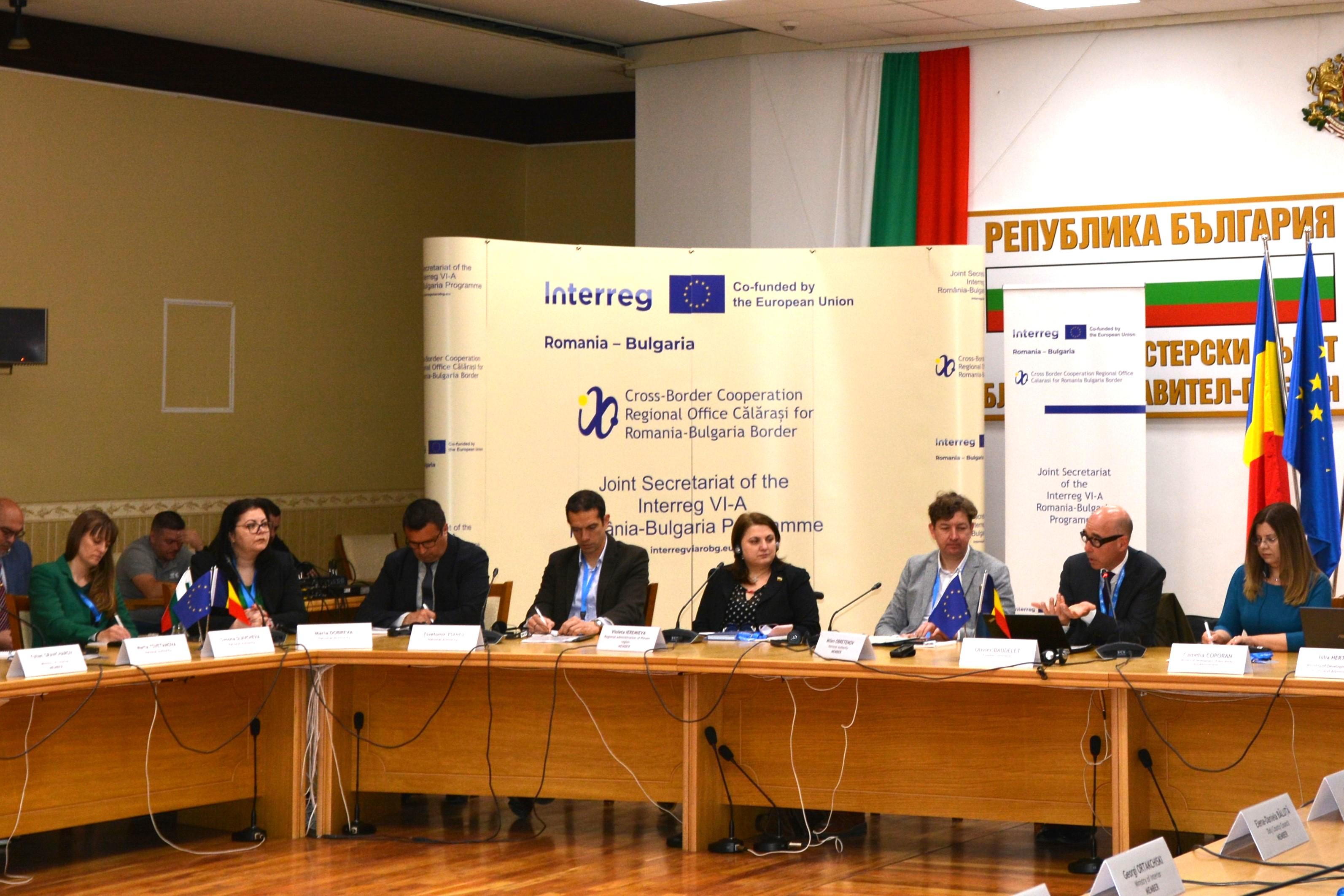
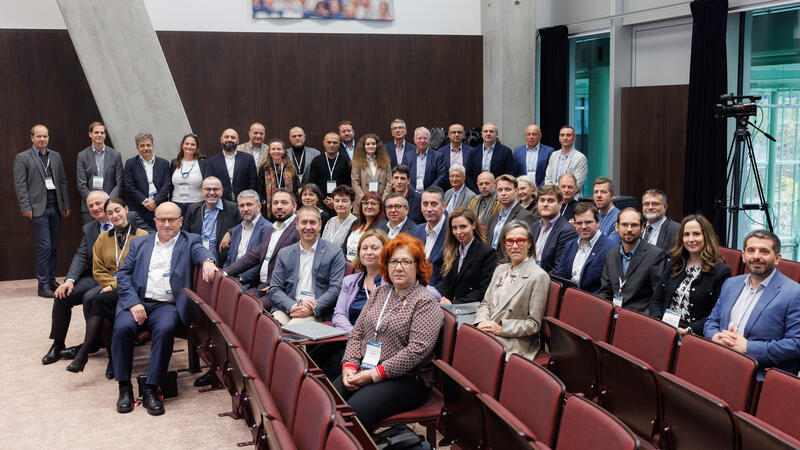
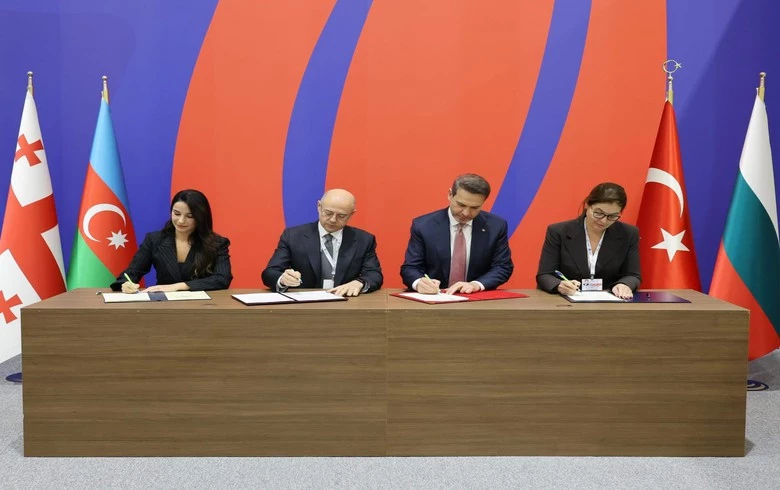
On 5 November 2026, the Romanian city of Călărași hosted the Annual Conference of the Interreg VI-A Romania–Bulgaria Programme, focusing on cross-border infrastructure development, sustainable mobility and the effective use of European investment.
The event brought together representatives of public authorities, regional institutions and organisations involved in implementing joint projects.
Key areas of cooperation include the modernisation of transport infrastructure, the development of cycling routes, the tourism potential of Danube waterfronts and improved connectivity between border communities.
In particular, the conference highlighted the cross-border RideBlue-GreenBike project, which aims to develop cycling infrastructure near the Călărași Tourist Port and connect it to the European EuroVelo 6 cycling route.
Meanwhile, the municipality of Oltenița announced three projects — G-CAP, EVREST and RiDE — with a combined eligible value of approximately €14.7 million for all participating partners from Romania and Bulgaria.
These initiatives envisage the development of green public spaces, recreational infrastructure and cycling routes along the Danube and Argeș rivers.
Commentary by the Institute of Danube Research
The experience of Romanian–Bulgarian cross-border cooperation demonstrates the potential of European programmes to support integrated development in Danube communities.
A distinguishing feature of these projects is their combination of transport infrastructure, environmental protection, tourism development and improvements in the quality of life of local residents.
The Institute of Danube Research (IDR) emphasises the importance of more actively involving Ukrainian Danube communities in international partnerships under Interreg programmes and the EU Strategy for the Danube Region (EUSDR).
For Izmail, Reni, Kiliia and Vylkove, promising areas of cooperation include joint projects aimed at developing green waterfronts, cycling infrastructure, ecotourism and the preservation of historical and cultural heritage.
Drawing on the experience of Romania and Bulgaria could contribute to establishing a modern model of sustainable development in Ukraine's Danube region.

 Ukraine
 Romania

 Moldova
 Hungary
 Austria
 Danube