

Ukraine Releases Over 2.5 Million Juvenile Fish into Lake Cahul in the Danube Region
 Ukraine
13.11.2026
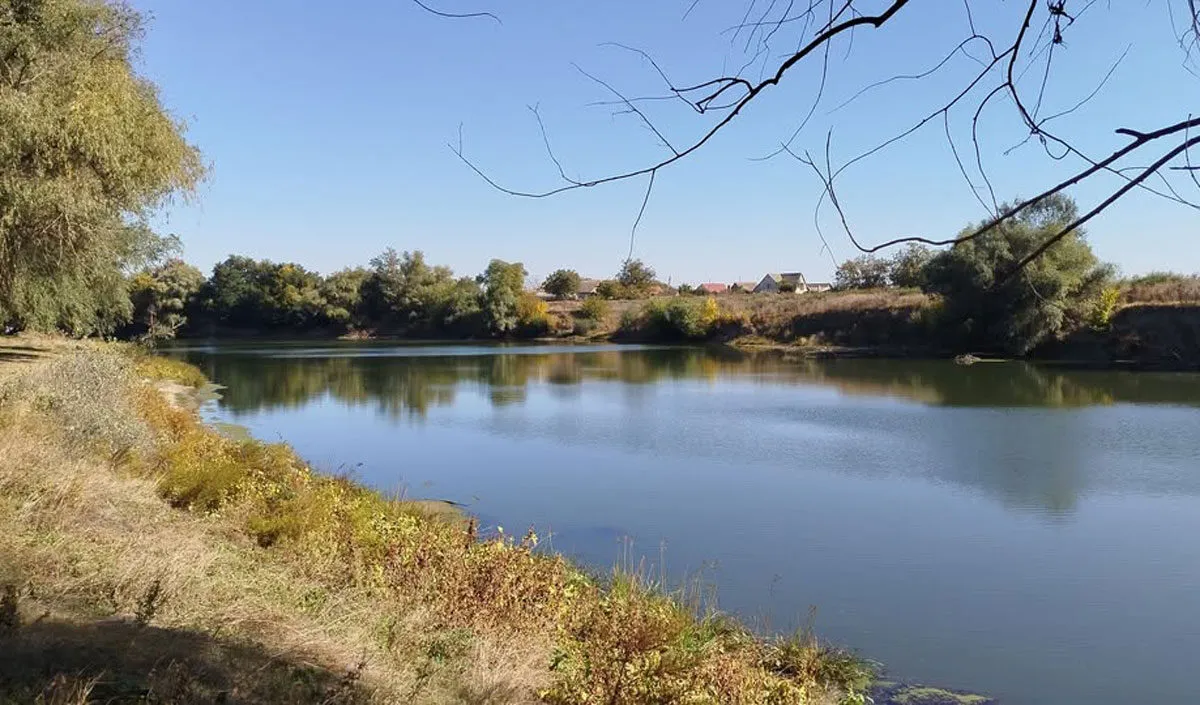
A large-scale fish stocking programme has been completed in Lake Cahul, one of the important natural water bodies in Ukraine's Danube region, located in Odesa Oblast.
On 12 November, the Southwestern District State Environmental Inspectorate reported the completion of measures aimed at replenishing aquatic biological resources and supporting the lake's fishery potential.
The stocking activities concluded on 11 November. During the programme, a total of 52,584 kilograms of juvenile fish, representing more than 2.5 million individuals, were released into the lake.
The activities were carried out by the company Dunai Aquaresurs in accordance with the established fishery management regime.
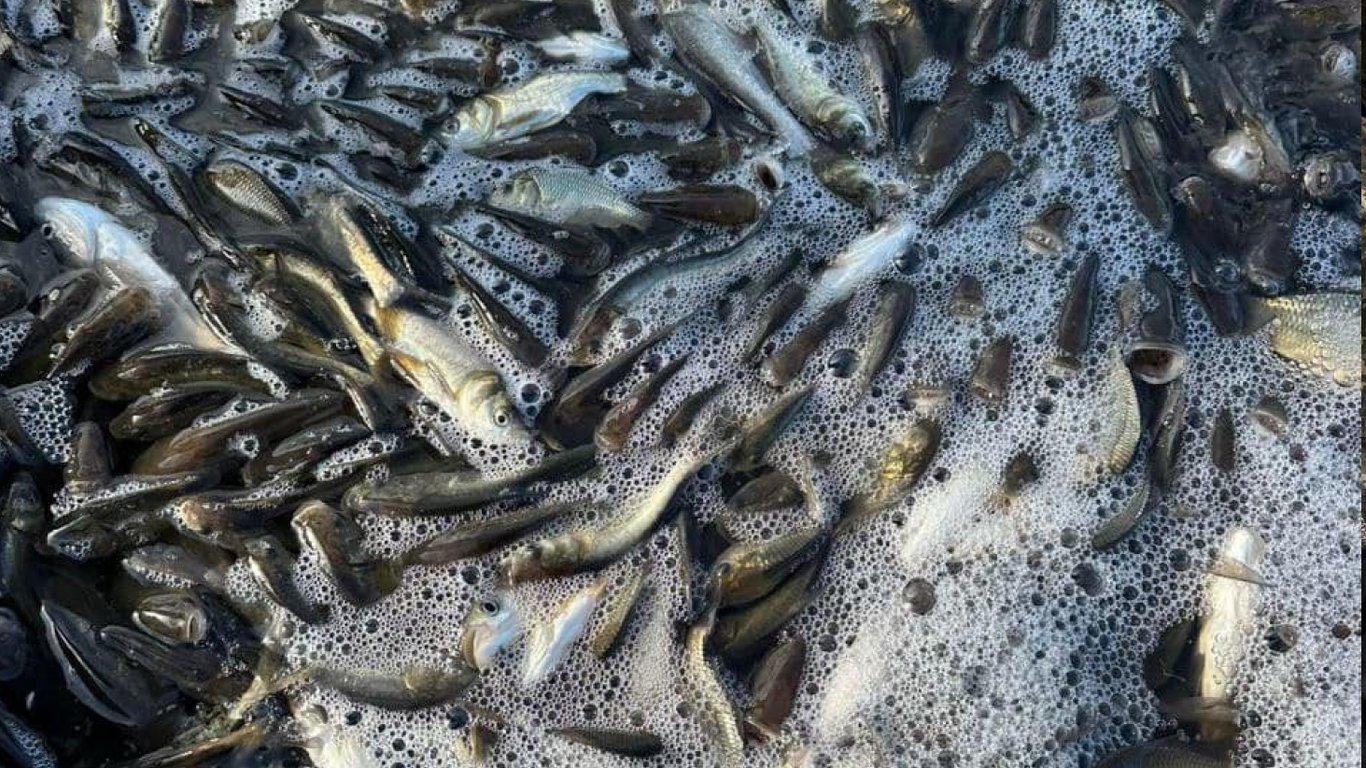
The species released included silver and bighead carp, grass carp and common carp.
The stocking process was supervised by a special commission involving representatives of environmental authorities, fishery protection services, the State Service of Ukraine on Food Safety and Consumer Protection, and local government bodies.
The initiative aims to replenish fish stocks, support sustainable fisheries and contribute to the balanced use of aquatic biological resources.
Commentary by the Institute of Danube Research (IDR)
Preserving the ecological potential of the lakes connected to the Danube is a fundamental prerequisite for the sustainable development of the Ukrainian Danube region.
However, the effectiveness of fish stocking programmes should not be assessed solely by the number of fish released. Equally important are species composition, juvenile survival rates, the condition of natural food resources, hydrological conditions and the impact of fishery activities on local ecosystems.
Particular attention should be paid to the relationship between fluctuations in the Danube's water levels and the hydrological conditions of adjacent lakes, which have experienced increasing pressure from prolonged periods of low water availability.
The Institute of Danube Research considers that the restoration of aquatic biological resources should form part of a broader programme for the ecological rehabilitation of the Danube lakes.
Such a programme should include improvements in water exchange, systematic water quality monitoring, biodiversity conservation and sustainable fishery management.
For Ukraine, integrating environmental restoration with local economic development could strengthen the resilience of communities in the Danube Delta and surrounding areas.
 Romania

 Moldova
 Bulgaria
 Hungary
 Austria
 Danube