

Romania Secures Up to €367 Million in Financing for the Dunărea East Wind Farm
 Romania
09.11.2026
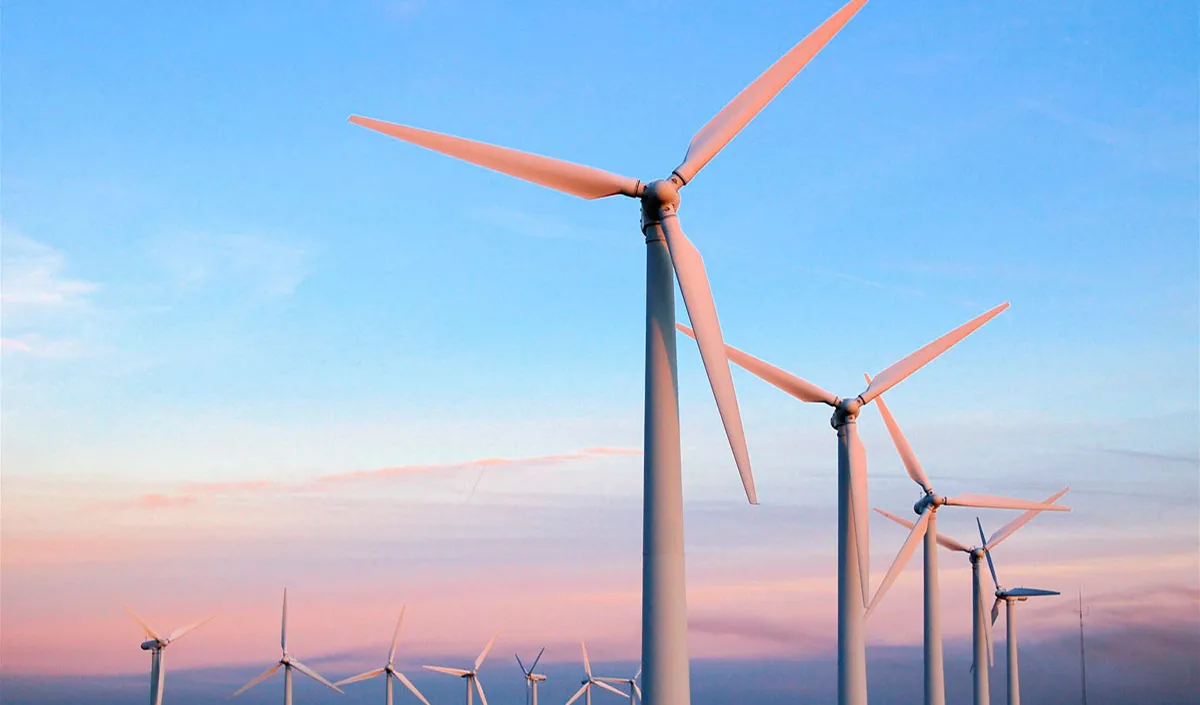
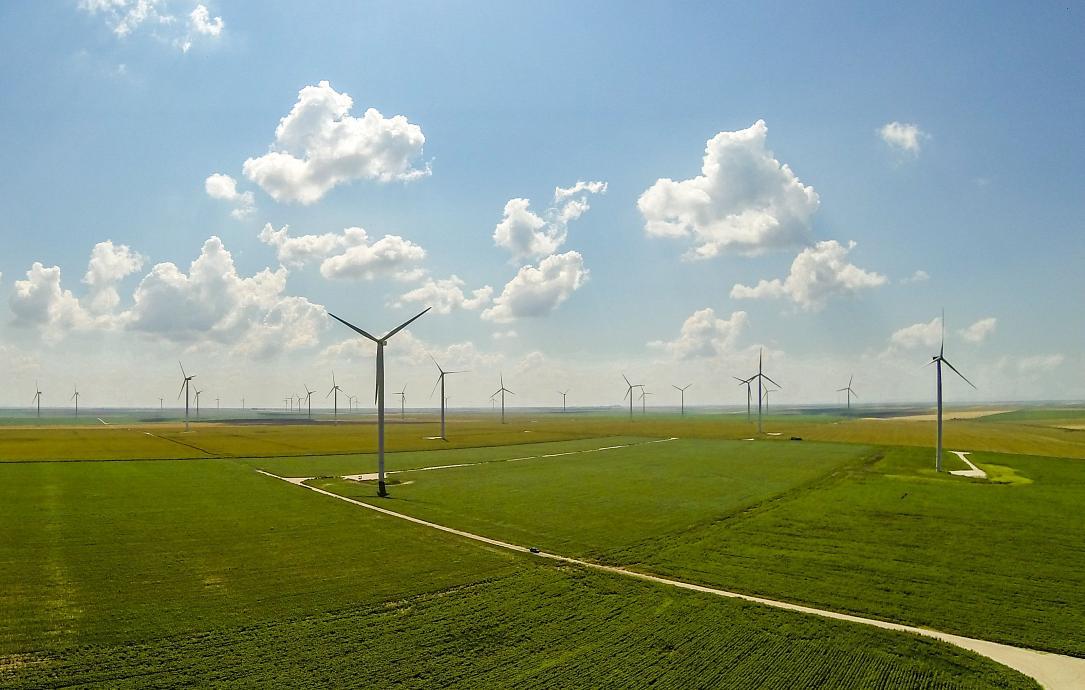
International renewable energy company Rezolv Energy has secured financing of up to €367 million for the construction of the 292.5 MW Dunărea East wind farm in Constanța County, southeastern Romania.
The company announced the financing agreement on 6 November 2026.
The financing is provided by a consortium of six international lenders, supported by the Export and Investment Fund of Denmark (EIFO).
The financial institutions involved include Société Générale, Erste Group Bank, Raiffeisen Bank International together with Raiffeisen Bank S.A., Mizuho Bank Europe, Raiffeisenlandesbank Niederösterreich-Wien, and the European Bank for Reconstruction and Development (EBRD).
The EBRD's participation is supported by a guarantee under the European Union's InvestEU programme.
The project involves the construction of a wind farm with a total installed capacity of 292.5 MW.
A Contract for Difference (CfD), awarded in Romania's second renewable energy auction in 2025, covers 211 MW of the project's capacity. This mechanism provides greater predictability for electricity revenues and helps reduce investment risks.
In addition, Rezolv Energy has concluded a corporate Power Purchase Agreement (PPA) with international retail group Ahold Delhaize, providing long-term revenue visibility for a substantial proportion of the project's electricity generation.
The Dunărea East wind farm is expected to become operational in early 2029.
The project forms part of Rezolv Energy's broader investment programme in Romania. Together, four major financing transactions for renewable energy projects in the country represent up to €1.55 billion in senior debt financing.
Commentary by the Institute of Danube Research
The implementation of the Dunărea East project reflects growing investment activity in renewable energy across Southeastern Europe and the increasing importance of the Danube–Black Sea region in Europe's energy transition.
The development of large-scale wind generation facilities is strategically significant for diversifying electricity supplies, reducing dependence on fossil fuels and strengthening regional energy resilience.
Of particular importance is the combination of private investment, European Union financial guarantees and support from international development banks.
This financing model demonstrates how long-term electricity purchase agreements and investment risk-sharing mechanisms can facilitate the implementation of capital-intensive renewable energy projects.
According to the Institute of Danube Research (IDR), Romania's experience may be particularly relevant for Ukraine, including the development of renewable energy projects in Odesa Oblast and the Lower Danube region.
Potential areas for bilateral cooperation include joint renewable energy investments, the expansion of cross-border electricity interconnections, the deployment of energy storage systems and the development of financing mechanisms for green transition projects.
In the longer term, closer Ukrainian-Romanian energy cooperation could contribute to strengthening the energy security of the Danube–Black Sea region and accelerating Ukraine's integration into the European energy market.

 Ukraine
 Moldova
 Bulgaria
 Hungary
 Austria
 Danube