

Danube Ports Remain Vital to Ukraine’s Agricultural Exports as Rail Shipments to Izmail and Reni Increase
 Ukraine
09.11.2026
Ukraine’s Danube ports continue to play an important role in grain exports despite challenging navigation conditions and changes in the structure of international freight transportation.
This was reported on 9 November 2026 by Ukrainian Shipping Magazine, citing analytical data from Spike Brokers.
According to October figures, rail transport accounted for 87.1% of Ukraine’s physical corn export flows, equivalent to 214,300 tonnes. Meanwhile, 14,800 tonnes were transported through ports, representing approximately 6% of the corresponding volume.
The export structure for wheat was different: 608,200 tonnes, or 62.4%, were shipped through ports, with a significant share of these shipments handled via the Danube route.
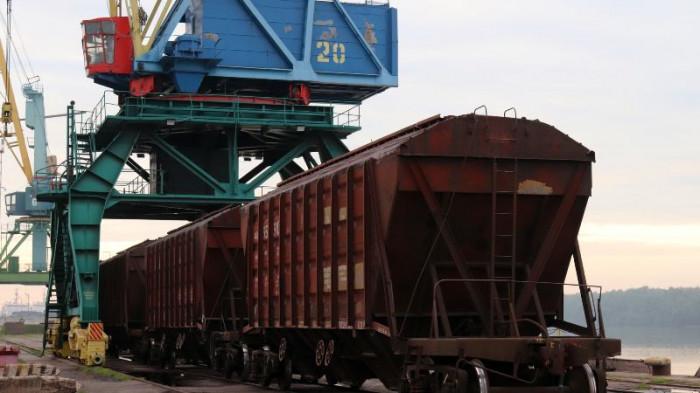
An increase in rail shipments of grain to Ukraine’s Lower Danube ports was also recorded.
In October, rail deliveries of grain for export to Izmail reached 85,800 tonnes, approximately twice the September figure.
Shipments through the Reni-Port railway station amounted to 58,400 tonnes, representing an increase of 137.1% compared with the previous month.
Overall, railway transportation of grain cargo in Ukraine reached 1.595 million tonnes in October, an increase of 11.8% compared with September but a decrease of 36.7% compared with the same period last year.
Commentary by the Institute of Danube Research
The increase in rail shipments of grain to Izmail and Reni demonstrates the continued strategic importance of Ukraine’s Danube ports within the country’s foreign trade logistics system.
At the same time, substantial differences in the export structures of individual grain crops highlight the need for flexible freight flow management and diversification of logistics routes.
Further development of the Danube transport corridor requires comprehensive modernisation of port, railway and border infrastructure.
According to the Institute of Danube Research (IDR), key priorities include increasing the capacity of the Sulina Channel, improving navigation coordination between Ukraine and Romania, modernising transshipment facilities in Izmail and Reni, and developing multimodal transport solutions.
Another important factor is aligning Ukraine’s transport policy with European initiatives aimed at developing the Rhine–Danube Corridor and the EU Solidarity Lanes.
Ensuring the stable operation of Danube ports should be regarded as an essential component of Ukraine’s economic resilience and its further integration into the European Union’s transport system.


 Romania

 Moldova
 Bulgaria

 Hungary

 Austria



 Danube