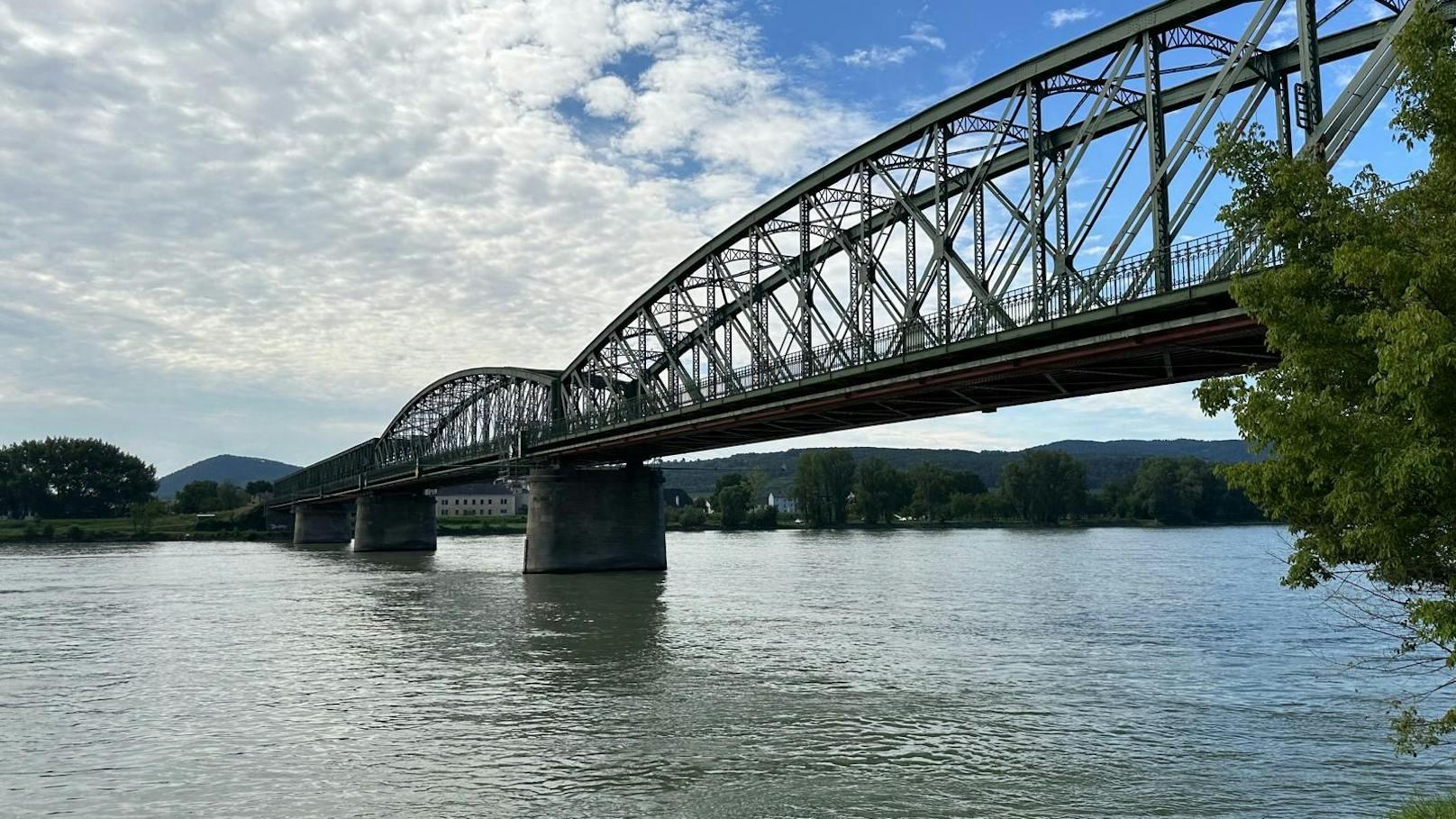


Romania Proposes a Navigable Corridor Between the Baltic and Black Seas: Iași Could Become an Inland Port
 Romania
11.11.2026
Romania has renewed discussions on an ambitious infrastructure project aimed at transforming the Prut River into an international navigable waterway and establishing a transport corridor connecting the Polish port of Gdańsk with the Black Sea.
The Romanian newspaper Ziarul de Iași reported on the initiative on 8 November 2026, citing Paul Butnariu, President of the Iași Chamber of Commerce and Industry.
The proposal envisages developing navigation along the Prut River and integrating it into Europe's inland waterway network. One of its central elements is the potential transformation of Iași into an inland port through a navigable connection involving the Prut, Jijia and Bahlui rivers.
According to Butnariu's estimates, the new corridor could reduce the transport distance between the Suez Canal and the Polish port of Gdańsk by approximately half, from 8,000 to 4,000 kilometres. However, these projections require independent technical and economic verification.
Preliminary estimates by the project's proponents suggest that its implementation would require investments amounting to several billion euros and could add approximately 500 kilometres of navigable waterways to Europe's transport network.
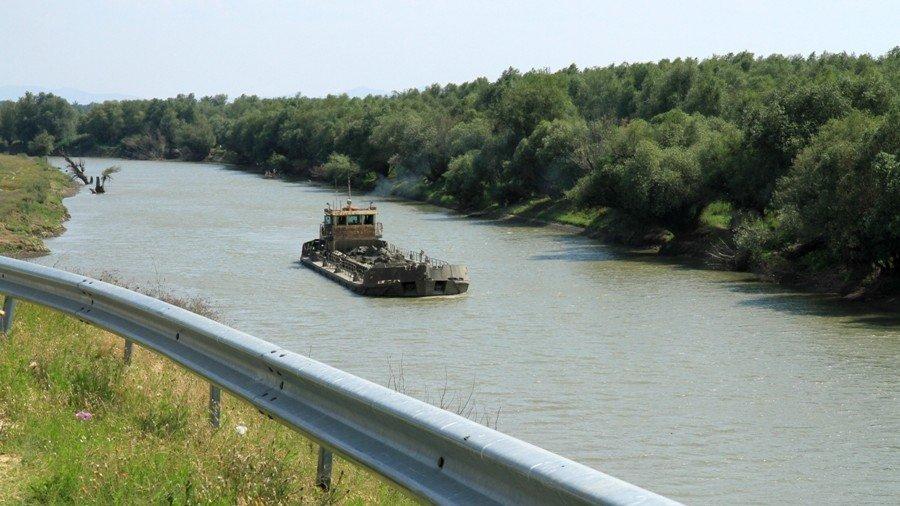
The proposed initial phase would focus on developing the section of the Prut River between Galați and the Stânca-Costești Reservoir, potentially enabling the operation of barges with carrying capacities of 500–1,000 tonnes.
According to optimistic estimates presented by the initiative's proponent, establishing navigation along this section could take approximately seven to eight years.
The project has a significant cross-border dimension, potentially involving cooperation between Romania, the Republic of Moldova, Poland and Ukraine.
Beyond transport, the initiative could also contribute to improved water resource management, flood protection, agricultural irrigation and greater resilience to drought.
The concept of establishing a navigable corridor between the Baltic and Black Seas has a history extending back more than a century. Similar proposals were discussed in the 1920s but were never implemented.
At present, the initiative remains conceptual. No confirmed financing or construction schedule has been announced.
Commentary by the Institute of Danube Research
The proposal to establish a navigable corridor between the Baltic and Black Seas reflects the growing strategic importance of Eastern Europe's inland waterways in shaping a new European transport architecture.
For the Danube Region, such a project could create an additional transport route connecting Danube ports with markets in Central and Northern Europe.
This prospect is particularly relevant to Ukraine. Developing navigation along the Prut River could potentially expand the logistical opportunities of the ports of Reni and Izmail, strengthen the role of the Galați–Giurgiulești–Reni transport hub, and facilitate the integration of Ukrainian freight flows into European transport corridors.
Nevertheless, implementing such a large-scale infrastructure project would require comprehensive technical, economic and environmental assessments.
Particular attention should be paid to seasonal fluctuations in the Prut's water levels, the potential need for hydraulic engineering infrastructure, the preservation of river ecosystems and the transboundary nature of water resource management.
The actual competitiveness of the proposed corridor compared with maritime and railway routes also requires careful evaluation. A shorter geographical distance does not necessarily translate into proportionate reductions in transportation time or costs.
The Institute of Danube Research believes that the development of navigation along the Prut River should be considered within a comprehensive strategy for the transport integration of the Lower Danube, Ukraine, Romania and the Republic of Moldova, with environmental sustainability and economic viability as essential priorities.

 Ukraine

 Moldova
 Bulgaria
 Hungary

 Austria


 Danube