

Construction of New Danube Bridge in Hungary Reaches 50% Completion
 Hungary
11.11.2026
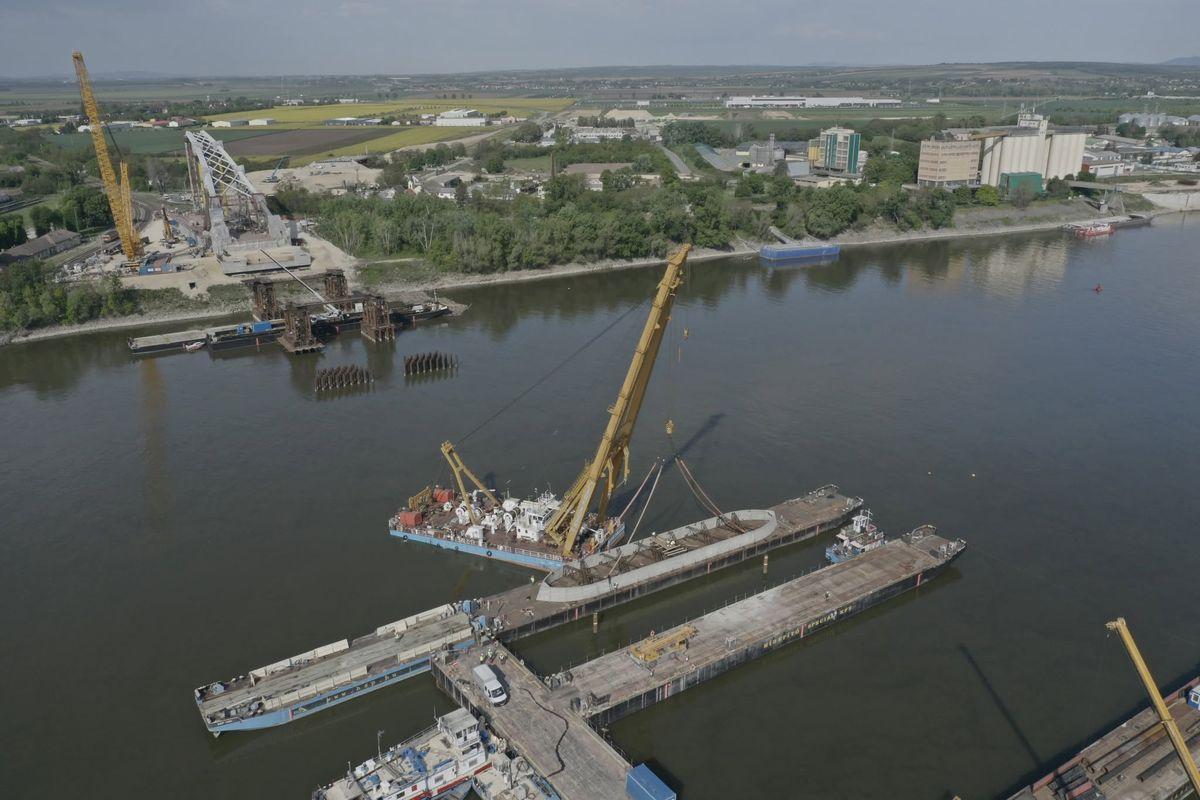
Construction of the new road bridge across the Danube near the Hungarian city of Mohács has reached 50% completion. The project is expected to improve transport connectivity between the riverbanks and strengthen logistics infrastructure in southern Hungary.
On 11 November 2026, Hungary's Minister of Transport and Investment, Dávid Vitézy, announced significant progress in the construction of the bridge.
The new crossing will be 756 metres long. By the end of October, the bridge structure had reached its highest point, approximately 61 metres above the current water level of the Danube.
Construction is progressing simultaneously on both banks of the river, with approximately 250 specialists working on the bridge and connecting road sections every day.
The first six-kilometre road section connecting the M6 motorway with Mohács was opened to traffic in May 2026.
According to the minister, revisions to the technical specifications and optimisation of the associated road infrastructure are expected to generate savings of approximately HUF 75 billion in public expenditure.
Under the revised plans, the road on the eastern side of the Danube will have two lanes instead of the previously proposed four-lane expansion. However, concerns remain regarding the potential long-term implications of reduced road capacity.
Commentary by the Institute of Danube Research
The development of bridge infrastructure across the Danube is strategically important for improving transport connectivity between Central and Southeastern Europe.
The construction of the Mohács Bridge creates opportunities to strengthen road connections, reduce transport distances and stimulate economic activity in the surrounding regions.
At the same time, the project highlights the importance of comprehensive economic assessments of major infrastructure investments. Cost optimisation must be accompanied by long-term traffic forecasting, consideration of regional development prospects and the preservation of safe navigation conditions on the Danube.
The Institute of Danube Research (IDR) emphasises that the development of cross-border transport corridors requires a balanced integration of road, rail and inland waterway transport.
For Ukraine, the Hungarian experience is particularly relevant in the context of expanding transport connections with European Union countries and developing modern infrastructure along the Lower Danube.
An integrated approach to infrastructure development is essential for enhancing the competitiveness of the Danube Region as a unified European economic and transport area.

 Ukraine
 Romania

 Moldova
 Bulgaria

 Austria




 Danube