

Moldova to Develop 170 MW of Wind Power Capacity with Energy Storage Systems
 Moldova
13.11.2026
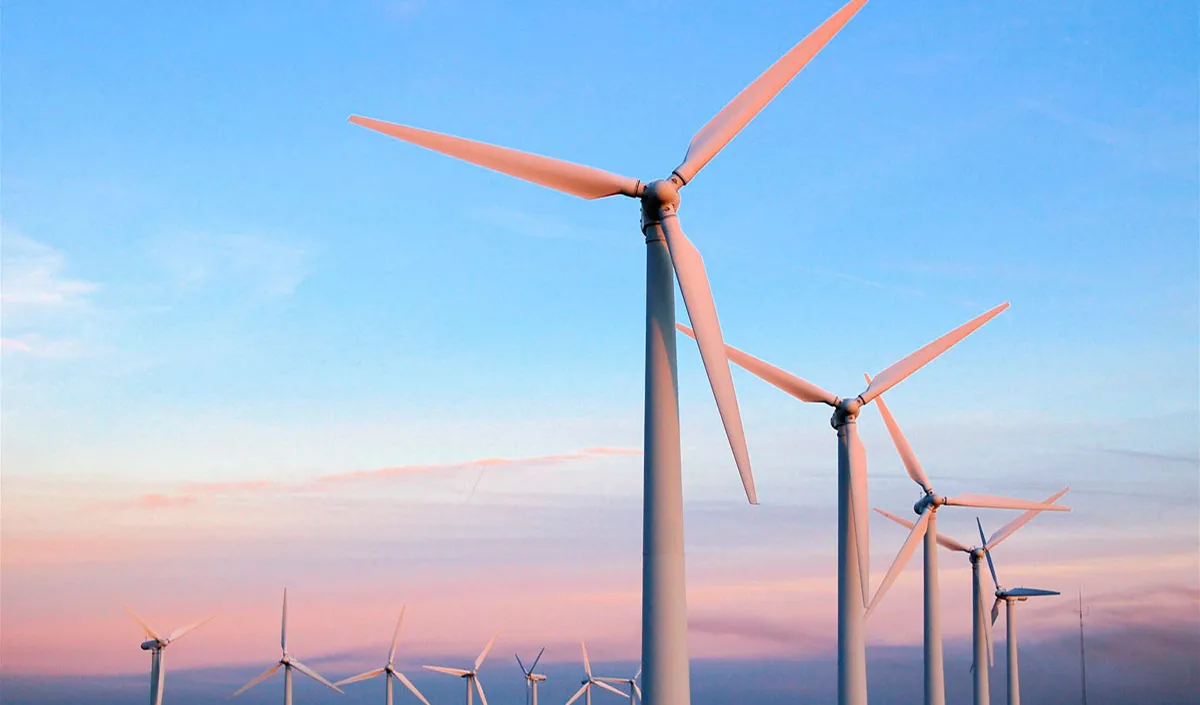
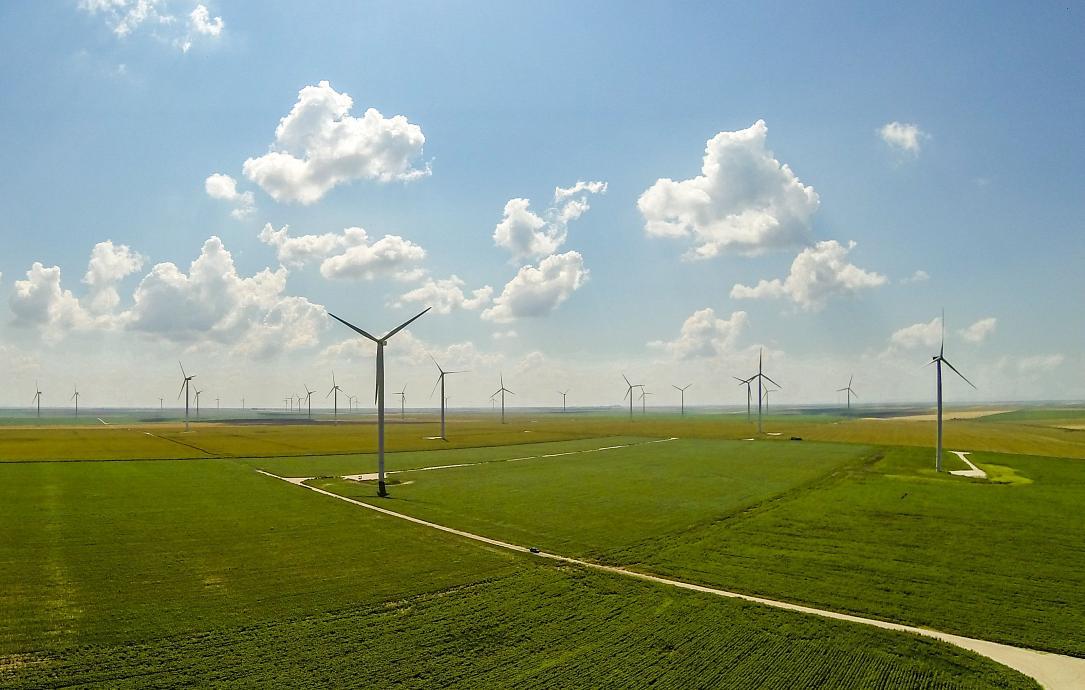
The Government of the Republic of Moldova has approved the results of its second renewable energy auction, paving the way for the construction of wind farms with a total supported capacity of 170 MW and battery energy storage systems with a combined capacity of 150.57 MWh.
According to Logos Press, which reported the decision on November 12, 2026, the projects will be implemented by four groups of investors: Lumina Noastră, Navitas Energy, a consortium comprising Leafwind Energy and Oromaxmontaj, and Summa FIBA Enerji.
Investors will benefit from a 15-year state support mechanism. The proposed electricity prices range from 1.24 to 1.25 Moldovan lei per kWh, excluding VAT.
Construction of the wind farms and energy storage facilities is expected to be completed within 36 months of the official publication of the relevant government decision.
The integration of battery storage systems will allow electricity generated during periods of high wind production to be stored and used when demand increases. This will contribute to greater grid stability, reduced dependence on electricity imports, and the development of domestic energy generation.
According to Moldova's Ministry of Energy, the country's total installed renewable energy capacity had already exceeded 1,000 MW by the end of August 2026. Moldova's strategic objective remains to increase the share of renewable energy to 30% by 2030.
Commentary by the Institute of Danube Research (IDR)
The simultaneous development of wind generation and energy storage infrastructure demonstrates Moldova's gradual transition from simply expanding renewable energy capacity towards building a more flexible, resilient and technologically advanced energy system.
For the Danube–Black Sea region, this development is particularly significant, as Moldova's energy security is closely linked to the stability of the electricity systems of Ukraine and Romania, the expansion of cross-border interconnections, and deeper integration into the European energy market.
Combining wind generation with battery storage creates opportunities to reduce dependence on external energy suppliers, improve the efficiency of renewable energy utilisation, and strengthen the resilience of critical energy infrastructure during crises.
At the same time, the implementation of such projects will require electricity grid modernisation, additional balancing capabilities, and more effective mechanisms for cross-border energy cooperation.
The Institute of Danube Research considers these investments an important contribution to the development of an integrated energy space linking Ukraine, Moldova and Romania, where renewable energy expansion should be accompanied by enhanced energy security, technological modernisation and regional economic resilience.

 Ukraine
 Romania
 Bulgaria
 Hungary
 Austria

 Danube