

Transit Customs Clearance at the Port of Constanța Takes Up to Three Days
 Romania
06.11.2026
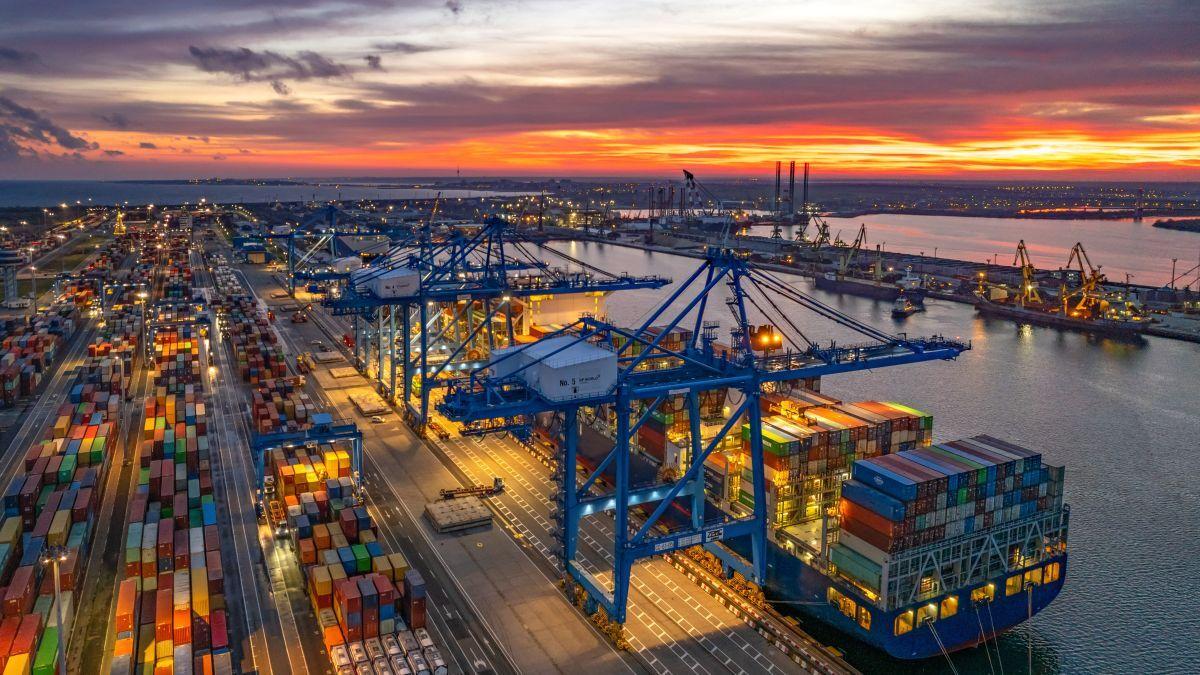
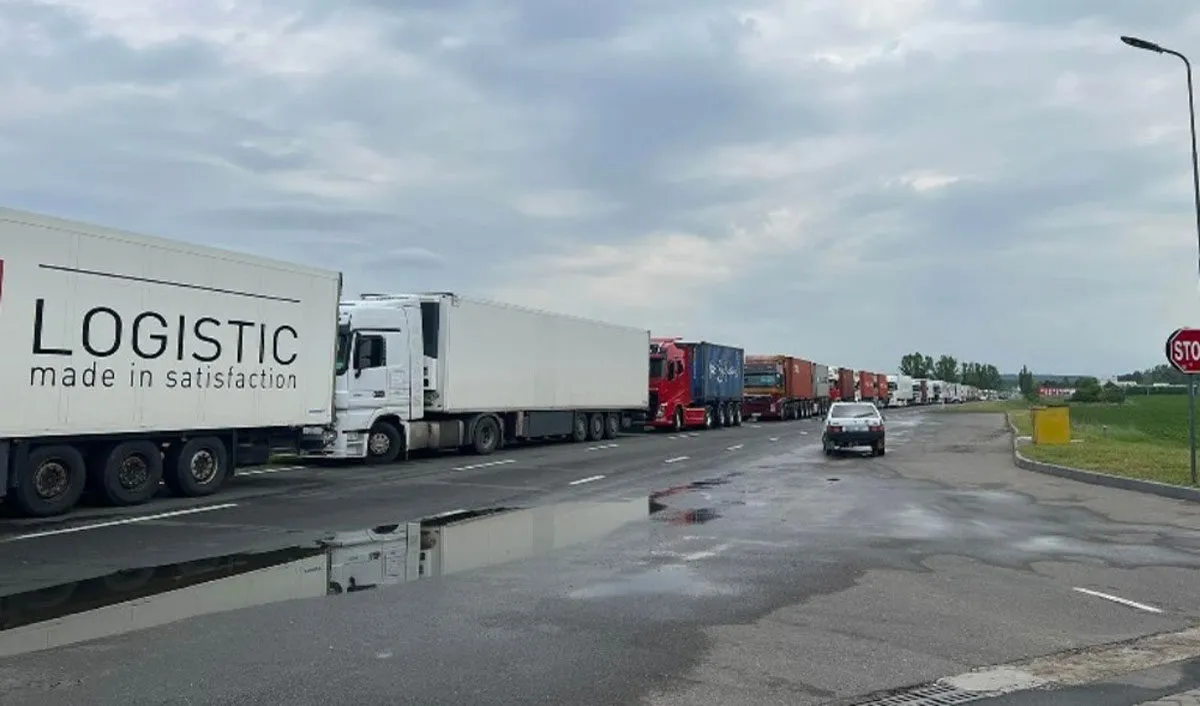
Delays in the processing of T1 transit declarations continue at Romania's Port of Constanța, complicating international freight operations, including shipments originating from Ukraine.
According to the Association of International Freight Forwarders of Ukraine (AMEU), which contacted the competent Romanian authorities and the Romanian freight forwarders' association USER, the processing of transit declarations typically takes 2–3 days, based on the practical experience of freight forwarding companies.
In certain cases, processing may take longer due to additional customs inspections and cargo-specific requirements.
An earlier survey conducted by AMEU found that 90% of responding freight forwarders had experienced declaration processing times of two days or more, while some reported delays of up to seven days.
These figures are based on feedback from market participants and do not yet constitute official statistics from the Romanian customs authorities.
Commentary by the Institute of Danube Research
Administrative delays at the Port of Constanța affect the efficiency of the entire transport corridor connecting Ukraine, Moldova and Romania with international markets.
Even where sufficient port handling capacity is available, lengthy customs procedures generate additional costs, increase cargo dwell times and reduce the predictability of logistics operations.
The Institute of Danube Research (IDR) emphasises the need to accelerate the digitalisation of customs procedures, expand advance electronic declarations and improve the coordination of transit processes between Ukraine, Romania and Moldova.
Particular attention should be given to developing an integrated logistics network linking the ports of Izmail, Reni, Giurgiulești, Galați and Constanța, in which physical infrastructure is complemented by efficient administrative procedures.
The development of such a network could strengthen the resilience of regional supply chains, reduce logistical bottlenecks and improve the competitiveness of the Danube–Black Sea transport system.
The effectiveness of international transport corridors depends not only on infrastructure capacity but also on the speed, transparency and predictability of customs administration.

 Ukraine

 Moldova
 Bulgaria
 Hungary

 Austria


 Danube