

Water level in the Dniester has dropped to a critical level
 Ukraine
03.04.2026
Ukraine
03.04.2026
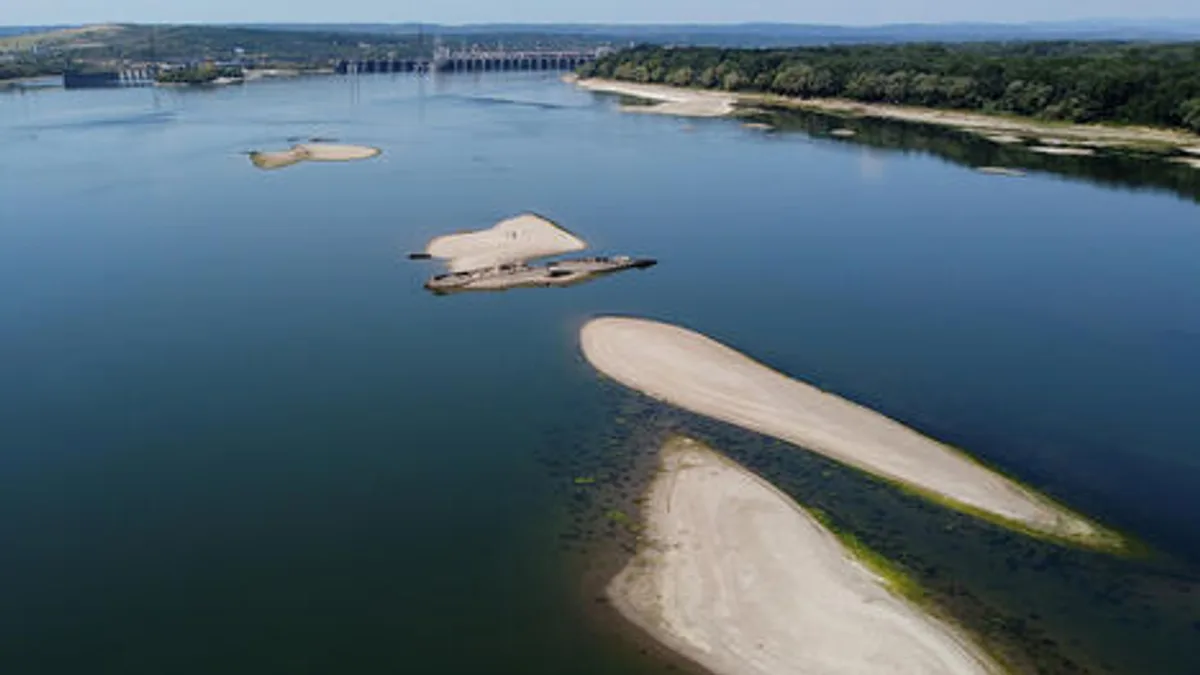
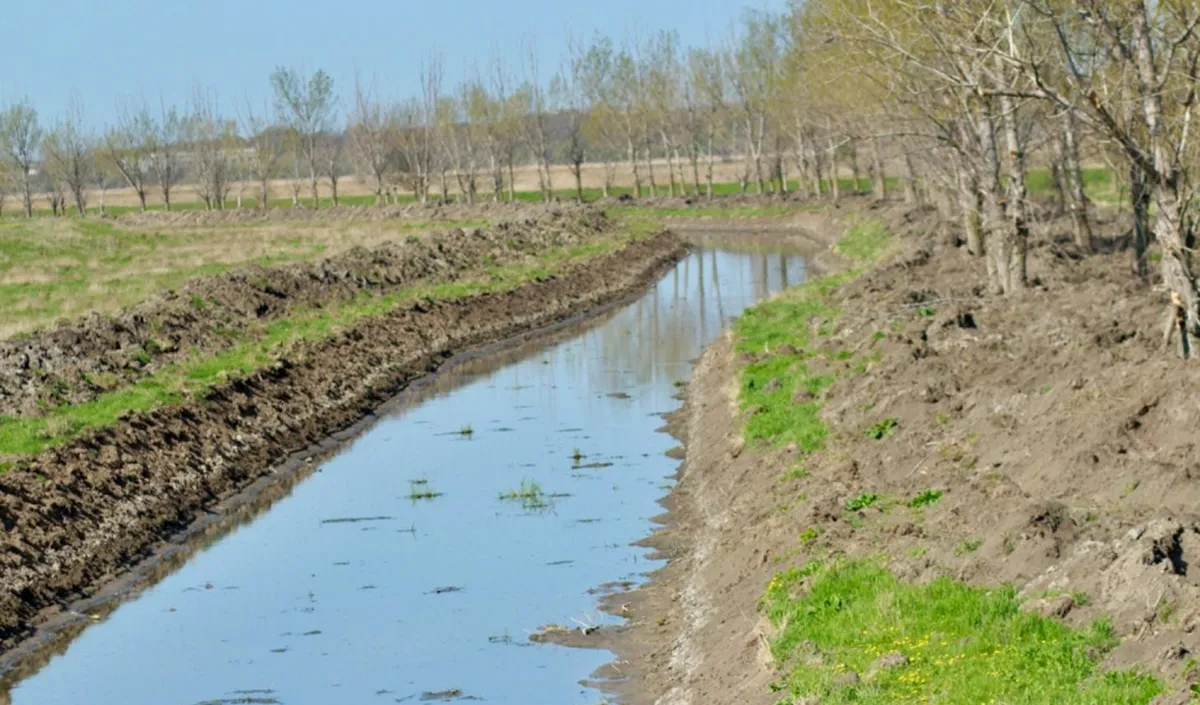
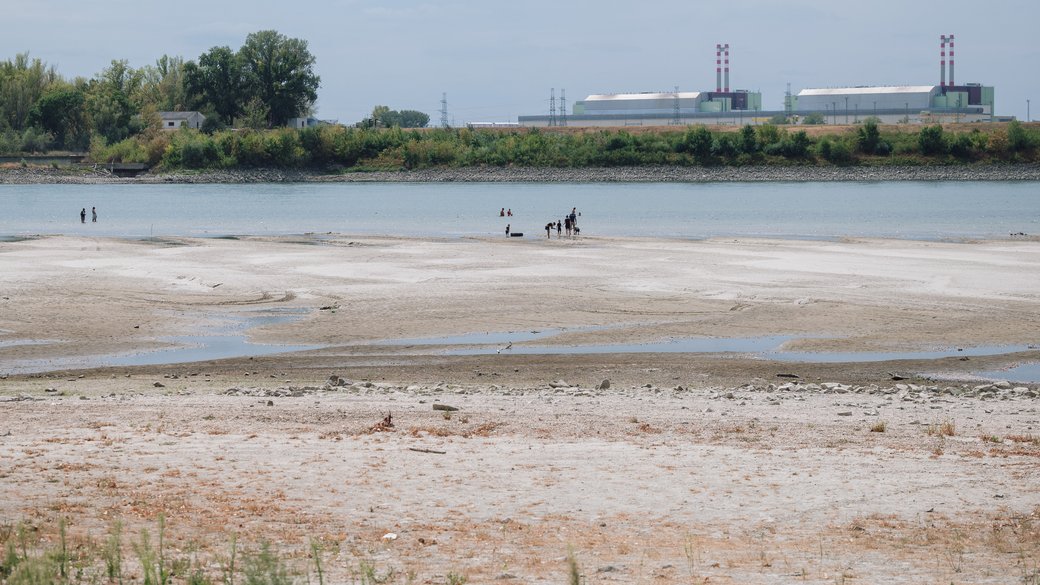
The end of March 2026 was marked by a catastrophically low water level in the Dniester Reservoir for this time of year — only 115.28 meters. This was reported on Facebook by Ilia Trombitsky, director of the Eco-TIRAS International Environmental Association.
To illustrate the scale of the decline, the expert cited water level data recorded at the end of March in previous years:
2025 — 116.65 meters,
2024 — 119.44 meters,
2023 — 120.78 meters,
2022 — 118.81 meters.
“Let us hope for spring precipitation, because there is little else to rely on,” the expert summarized.
Earlier, Ilia Trombitsky noted in comments to Moldovan media that even a low-water Dniester does not pose a direct threat to supplying the population with water for domestic, industrial and irrigation needs. However, such a situation is highly detrimental to the river ecosystem, as it hampers the river’s natural self-purification, worsens conditions for flora and fauna, and increases the environmental vulnerability of the basin as a whole.
Comment by the Institute of Danube Research
The critical decline in the Dniester water level should be viewed not merely as a seasonal fluctuation, but as a sign of broader hydro-ecological instability across the basin. For Ukraine, Moldova, and the wider Danube-Black Sea region, this underscores the need for stronger cross-border monitoring, better coordination of water management regimes, and a more systematic approach to river ecosystem protection. During low-water periods, any additional anthropogenic or chemical pressure may have a far stronger and longer-lasting impact on the ecological condition of the river.
 Moldova


 Serbia

 Bulgaria
 Hungary
 Romania

 Danube