

The Danube Could Become a European Corridor for Artificial Intelligence
 Danube
27.05.2026
Danube
27.05.2026
On 26 May 2026, the University of Ruse hosted a forum dedicated to the prospect of transforming the Danube Region into one of Europe’s centres for artificial intelligence, data centres and next-generation digital infrastructure.
The initiative is being discussed within the framework of Bulgaria’s Presidency of the EU Strategy for the Danube Region and highlights a new role for the Danube — not only as a transport artery, but also as a potential digital and energy corridor of Europe.
More than 80 million people live along the Danube, while the region connects both economically advanced and less developed parts of Europe. Therefore, the development of digital infrastructure could become an instrument for reducing regional disparities, attracting investment and creating new high-tech jobs.
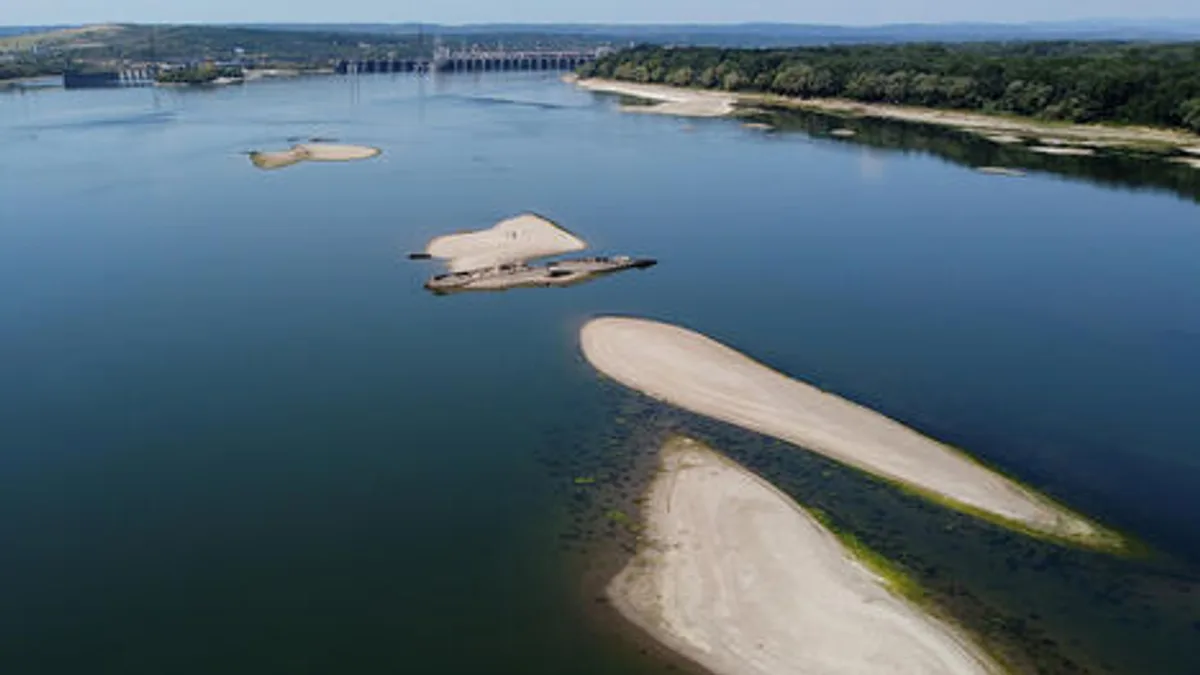
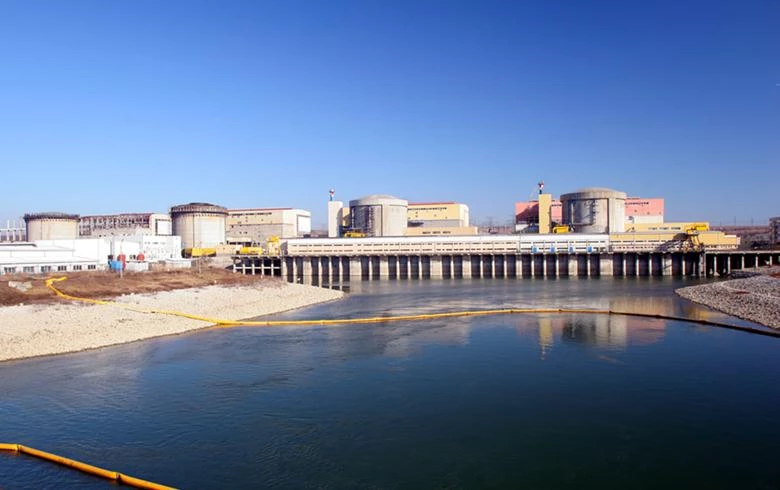
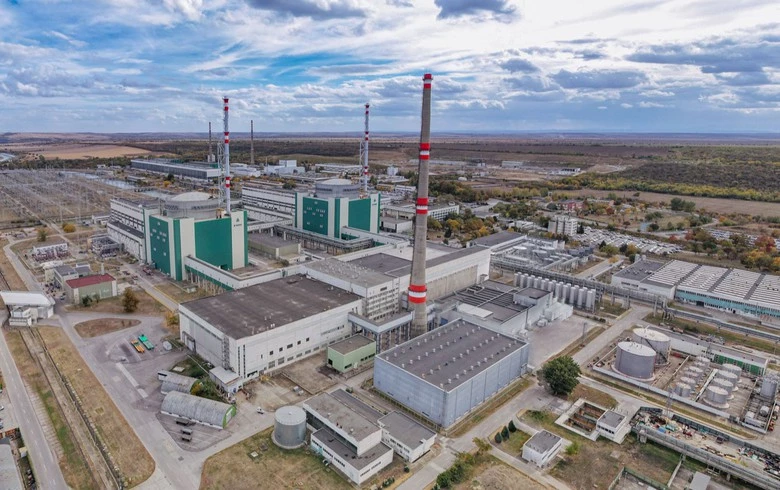
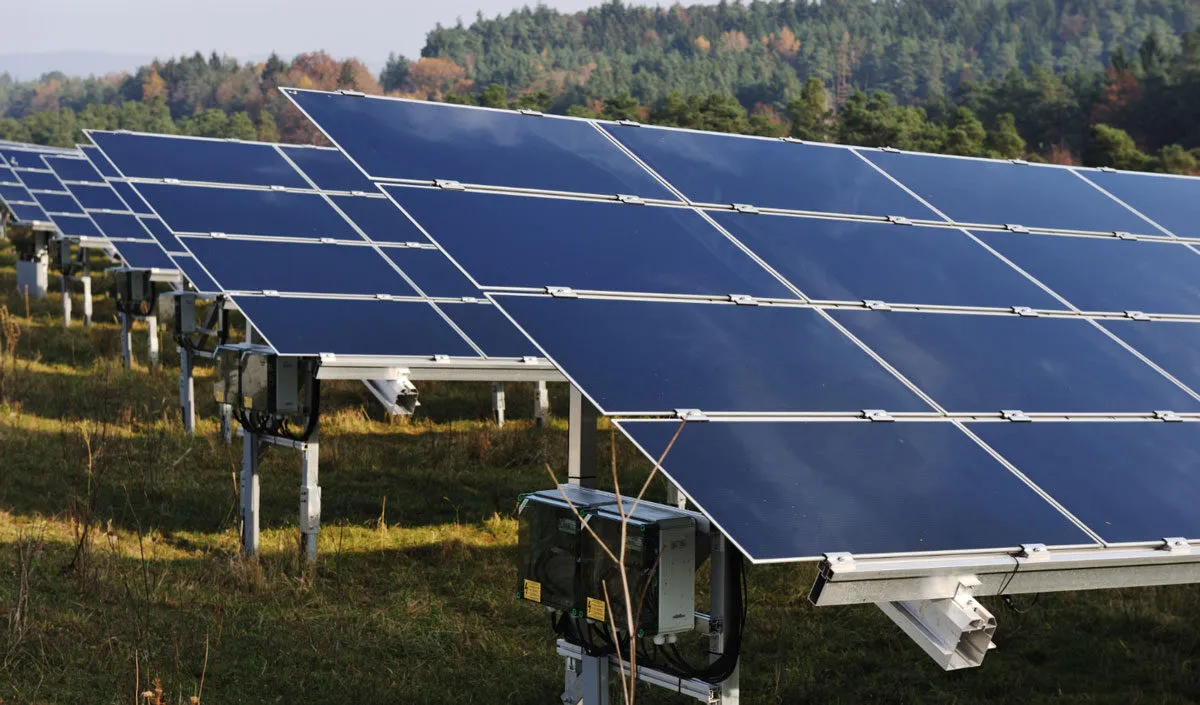
Energy was one of the key topics of the forum. Data centres and AI factories require stable electricity supply and efficient cooling systems. In this context, the Danube offers natural advantages for the deployment of such infrastructure.
MEP Kristian Vigenin noted that the development of artificial intelligence in Europe requires data centres and AI factories, which in turn means significantly greater energy needs. According to him, the Danube can provide additional opportunities for cooling server infrastructure.
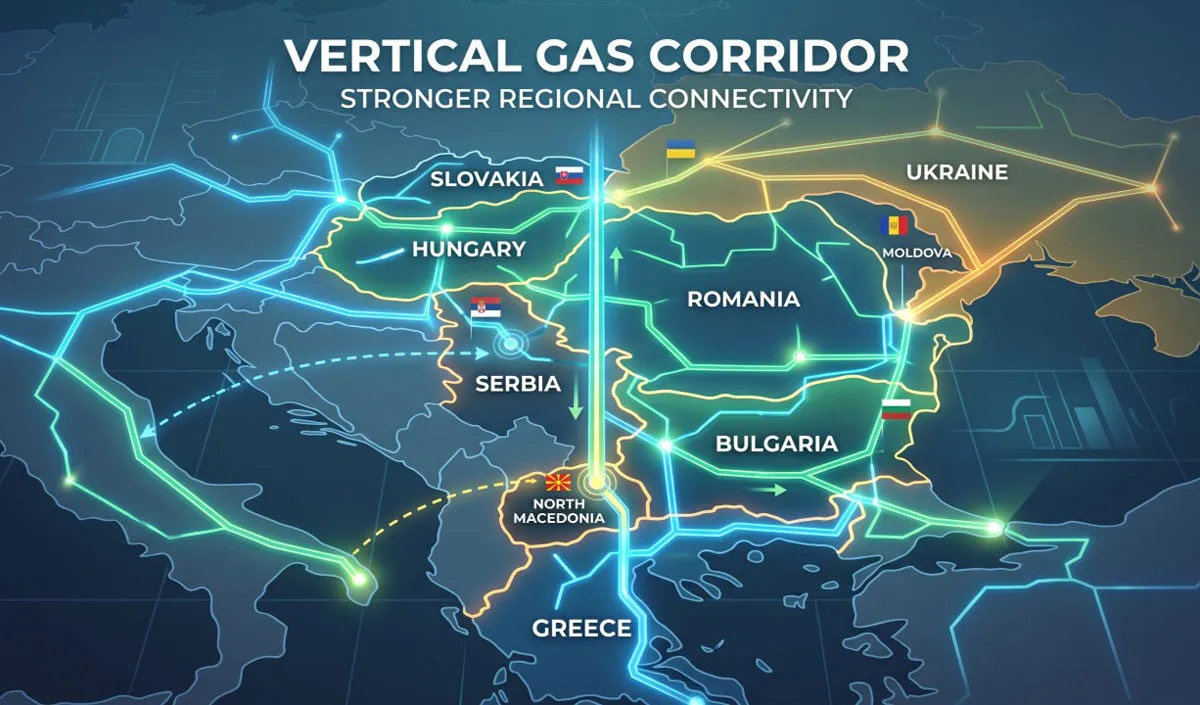
The participants also discussed Bulgaria’s strategic role, the development of the Vertical Gas Corridor, the integration of EU electricity networks and the need to overcome electricity price imbalances that directly affect the competitiveness of high-tech sectors.
IDR Comment
The Institute of Danube Research views the idea of a Danube artificial intelligence corridor as an important signal for the future of regional policy. This is not only about digital technologies, but about a new development model in which transport, energy, scientific and digital infrastructure form a single functional space.
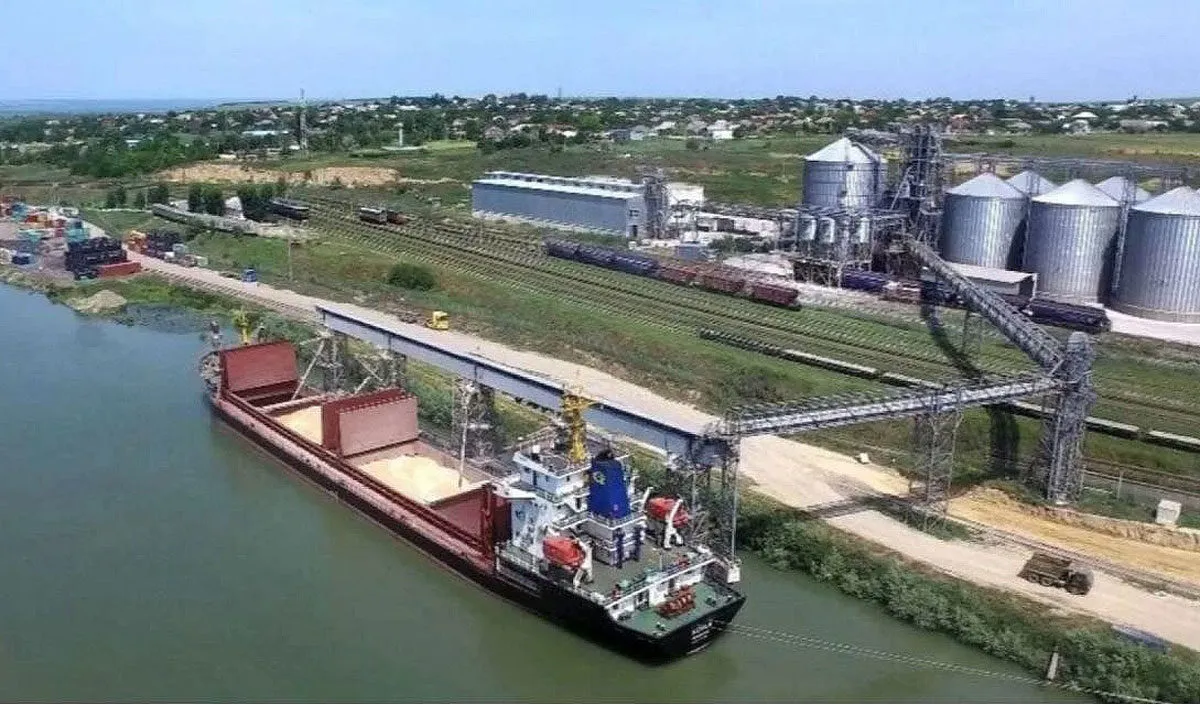
For Ukraine, this discussion is particularly important. The Ukrainian Danube region has already demonstrated its strategic role as a logistics alternative during the war. The next stage should be its integration into the broader European agenda — as a region of data, energy, innovation and security.
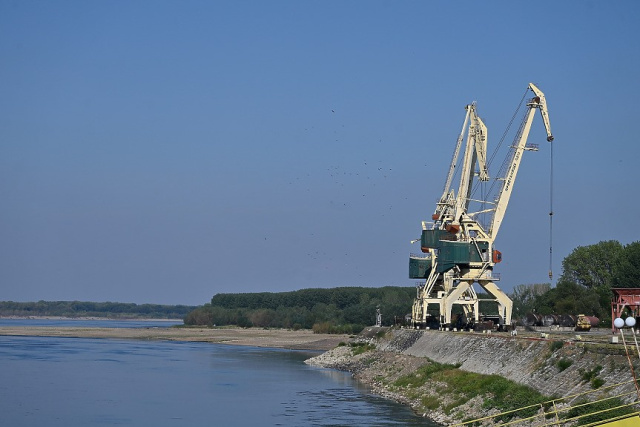
Ukraine’s Danube ports, border crossings, transport routes and energy links with Romania, Moldova and Bulgaria can become part of Europe’s new digital architecture.
In IDR’s view, the Danube should be regarded not only as a river of logistics, but also as a future corridor of Europe’s technological sovereignty. For Ukraine, this is an opportunity to position the Danube region not merely as a transit area, but as a region of innovation-driven development, European integration and post-war modernization.
 Moldova
 Ukraine

 Serbia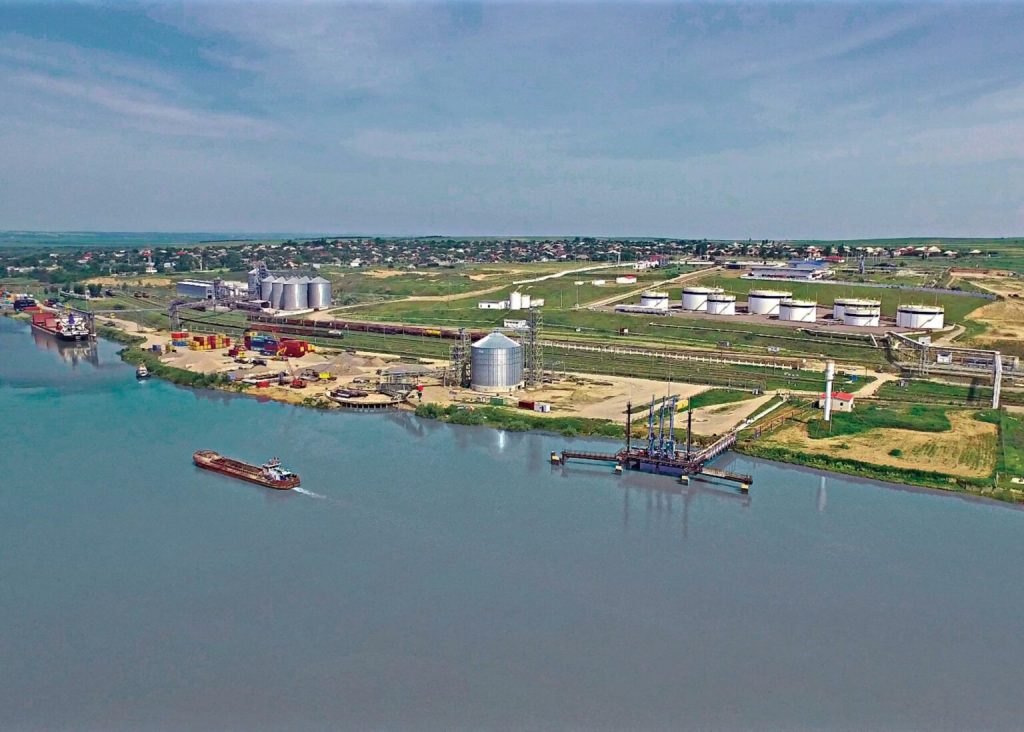

 Bulgaria
 Hungary
 Romania