

Freight rates for small-tonnage grain shipments from Ukrainian Danube ports decline amid weak demand
 Ukraine
20.05.2026
Ukraine
20.05.2026
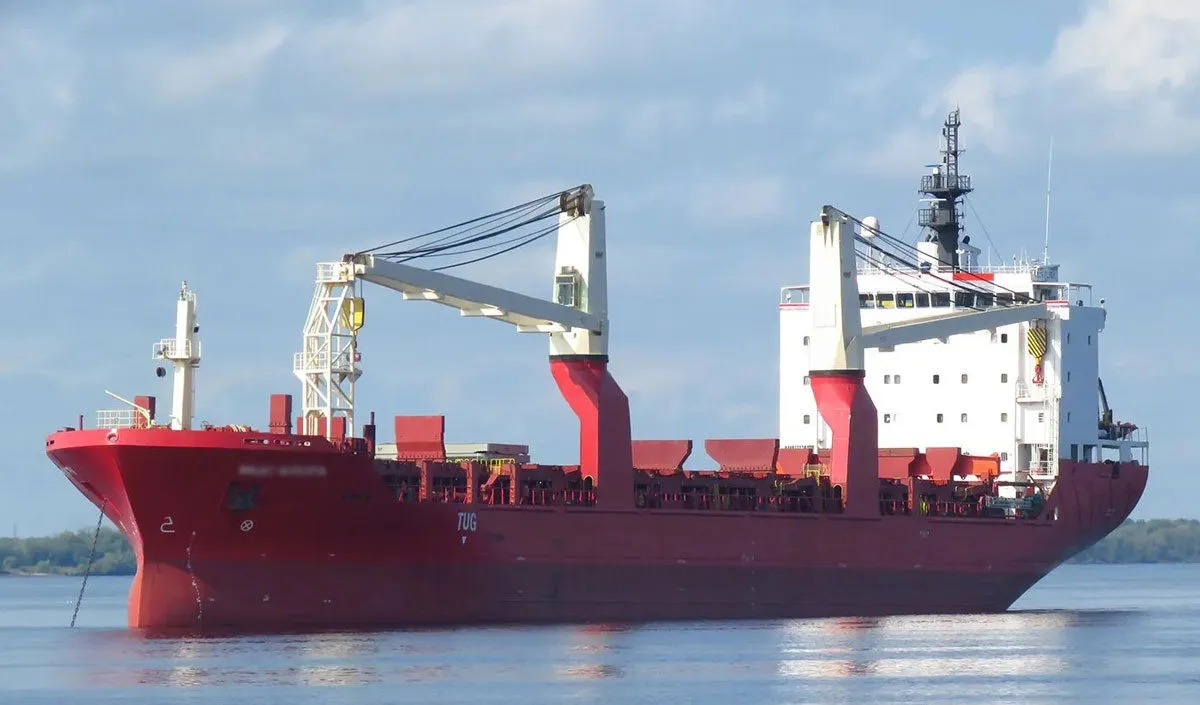
As of mid-May, activity on the Black Sea freight market remains subdued. The number of new cargo shipment requests is still limited, particularly in the coaster segment — small vessels used mainly for short-sea and coastal cargo transportation. Against this background, the imbalance between available free tonnage and cargo supply has intensified, forcing shipowners to make price concessions.
According to ASAP Agri, freight rates for coaster vessels carrying grain from Ukraine decreased by USD 1–2 per tonne, depending on the destination.
Atria Brokers’ freight department currently estimates the rate for shipping 6,000 tonnes of corn from Ukrainian Danube ports to the east coast of Italy at USD 41–42 per tonne, which is around USD 1 per tonne lower than the previous week. At the same time, rates in the larger-tonnage segment remain more stable: for example, the shipment of 30,000 tonnes of corn from Ukrainian deep-water ports to the east coast of Italy is estimated at about USD 25 per tonne.
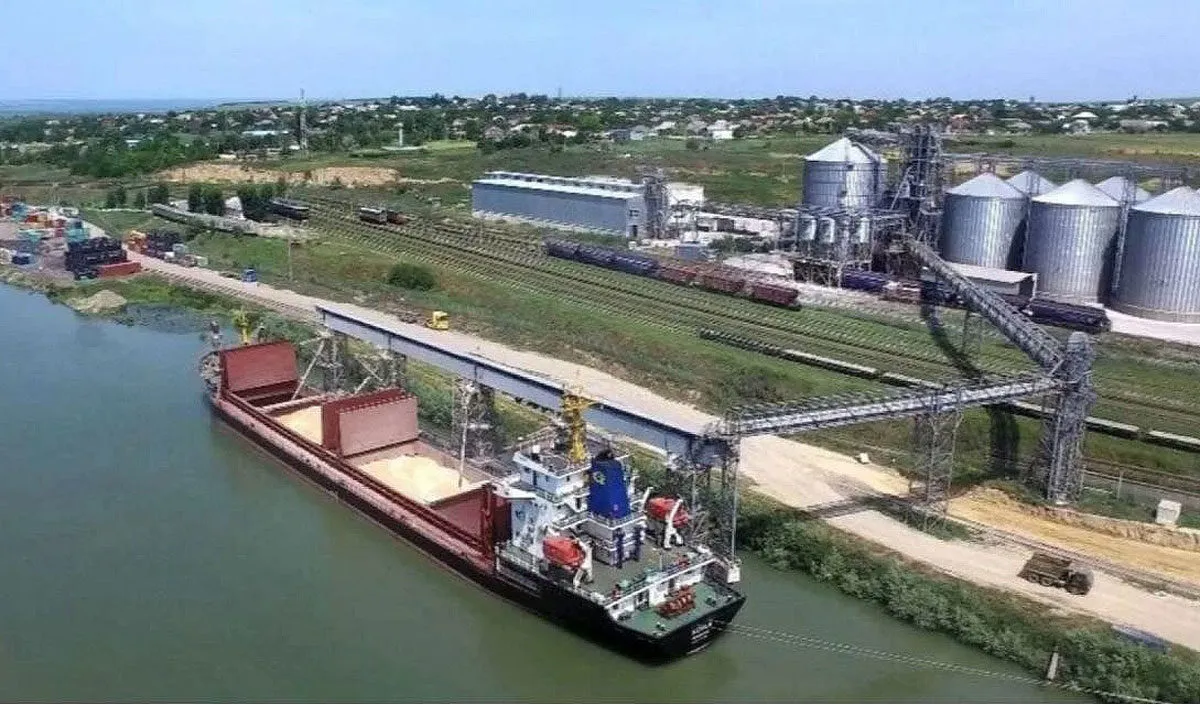
For Ukrainian Danube ports, this trend has a dual meaning. On the one hand, lower freight rates may improve the short-term economics of exporting smaller grain batches, especially for shippers operating through Izmail, Reni and Ust-Dunaisk. On the other hand, the fall in rates is not only a positive price signal, but also an indicator of an insufficient cargo base and limited market activity in the Black Sea–Danube basin.
IDR comment
According to experts of the Institute of Danube Research, the current decline in coaster freight rates should not be viewed merely as a local reduction in transport costs. It reflects a deeper structural issue: after the peak load of 2022–2023, Ukraine’s Danube logistics is gradually entering a phase of tougher competition with deep-water ports, Romania’s port system and alternative rail-sea routes.
For the ports of the Lower Danube region, the key task is not only to preserve their transit and export role, but also to improve the quality of their logistics offer: faster cargo handling, predictable tariffs, fleet availability, reliable rail and road connections, and stronger integration with the ports of Romania, Moldova and the Mediterranean direction.
A freight decrease of several dollars per tonne may temporarily support exporters’ competitiveness. However, the strategic resilience of the Danube route will depend on something more fundamental: the ability to create a stable cargo base, modernize infrastructure and move from crisis-driven logistics to the systematic development of Ukraine’s Danube transport corridor.
 Moldova


 Serbia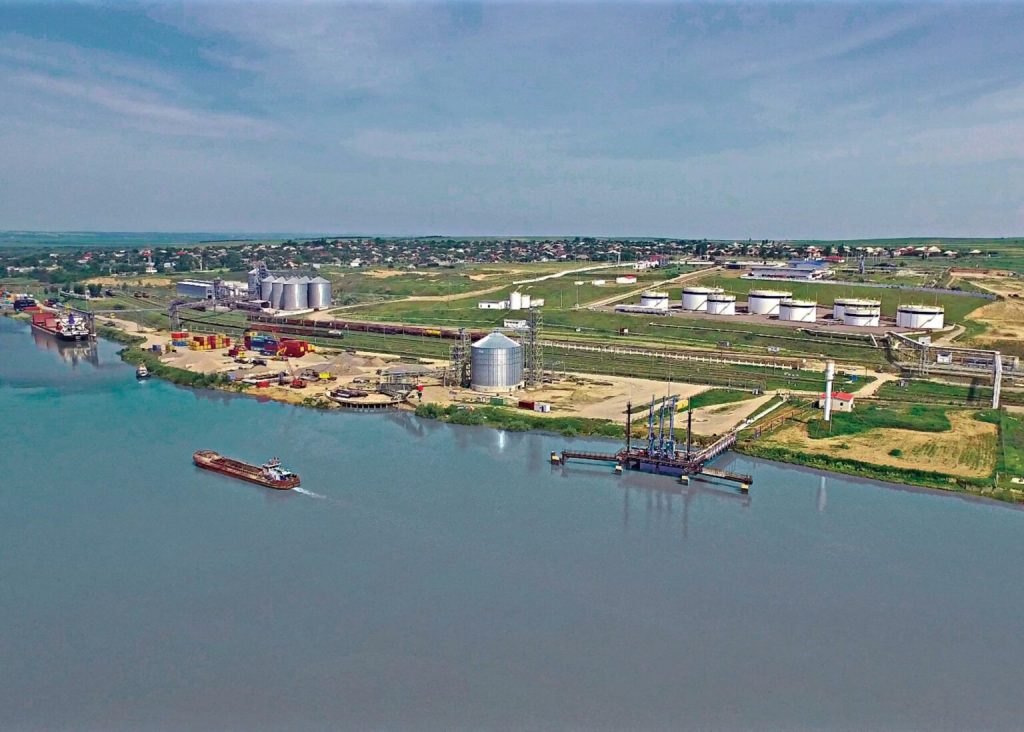

 Bulgaria
 Hungary
 Romania



 Danube