

Ecofest Without Borders: Dniester Day United Ukraine and Moldova
 Ukraine
28.05.2026
Ukraine
28.05.2026
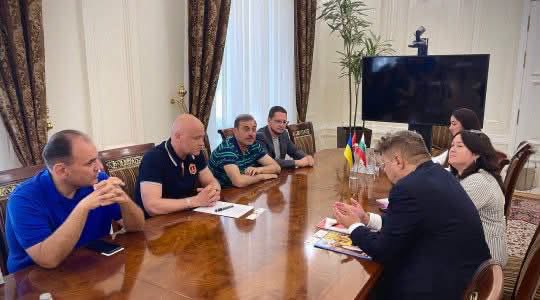
Odesa region marked Dniester Day and held the award ceremony for the winners of the International Basin Contest “Colours of the Dniester 2025”. The event brought together representatives of Ukraine and Moldova, international partners, educators, environmentalists, civil society actors, participants of the contest and all those for whom the Dniester is not only a river, but also an important symbol of cross-border cooperation.
According to Intent, the celebration took place in Odesa on 27 May and included the official awarding of the laureates of “Colours of the Dniester 2025” — a contest that for 17 years has been shaping environmental awareness among children and young people, engaging teachers and local communities in the preservation of the river, its natural resources and basin ecosystem.
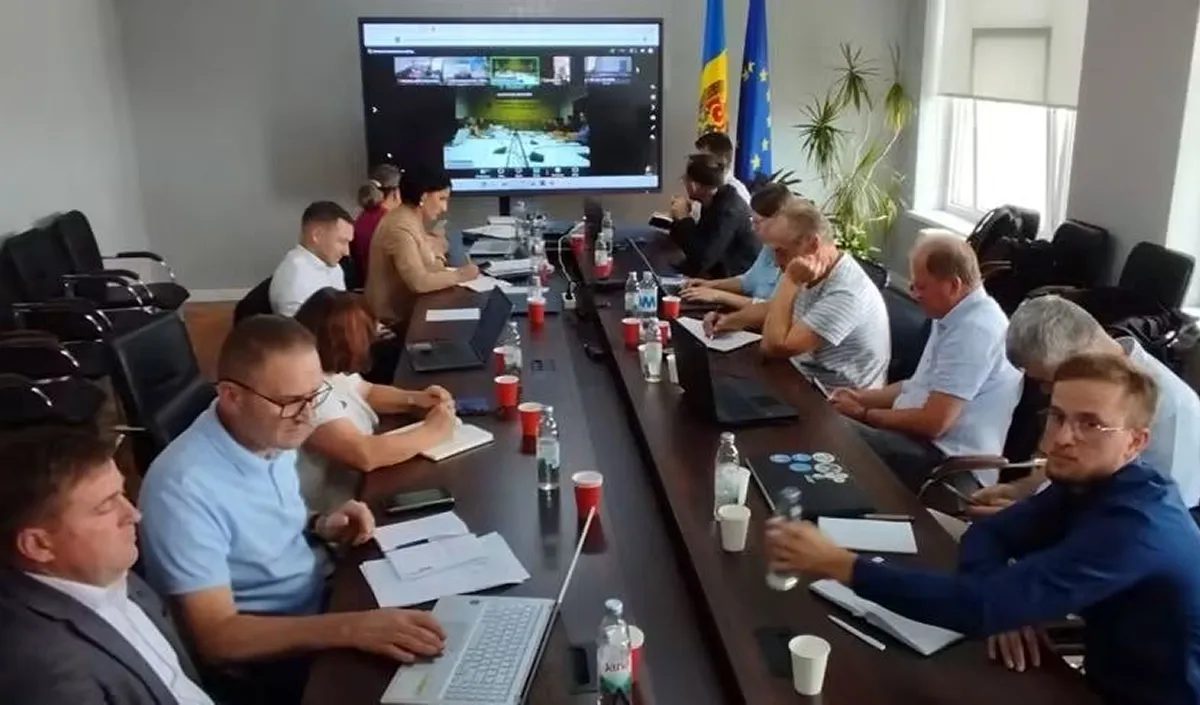
During the online meeting, participants heard welcoming remarks from representatives of the water sector of Ukraine and Moldova, international partners and co-organizers of the project. Particular attention was paid to the role of young people in developing a responsible attitude toward water resources, as educational and creative initiatives often become the first step toward practical environmental engagement by communities.
As part of the event, the organizers announced the launch of the new contest “Colours of the Dniester 2026” and held an open microphone session for participants and friends of the Dniester. After the official part, winners from Odesa personally received diplomas and valuable gifts.
The following day, the organizing team travelled along the Dniester Estuary route — from Ovidiopol to Mayaky — to hold meetings and present awards to young participants of the contest. One of the key locations was Ovidiopol, where the Community Centre for Extracurricular Education hosted an exhibition dedicated to the Dniester as a source of life, natural heritage and a symbol of unity between communities.
The final symbolic emphasis came in Mayaky, where representatives of the Maritime Guard of the State Border Guard Service of Ukraine joined the greetings on the occasion of Dniester Day. Their participation underlined that the Dniester is not only a natural and social resource, but also a space of security, cooperation and shared responsibility.
The Dniester Estuary is one of the largest natural water bodies in Ukraine and the largest estuary in Odesa region. It is formed in the mouth area of the Dniester, where the river flows into the Black Sea, and plays an important role in water balance, biodiversity, fish resources, recreation and the ecological stability of southern Ukraine.
Comment by the Institute of Danube Research
The Institute of Danube Research notes that Dniester Day and the “Colours of the Dniester” contest have significance that goes far beyond a cultural and educational event. They represent an example of sustainable basin-level communication between Ukraine and Moldova, where environmental education, community participation and cross-border dialogue form the basis for more responsible water resources management.
The Dniester is a shared river system for the two countries; therefore, issues related to its protection cannot be considered in isolation. Water security, water quality, ecosystem health, climate adaptation, preservation of the estuary and support for natural flow require coordinated action at the level of states, regions, local communities and civil society.
It is especially important that children and young people are involved in this initiative. Through creativity, research, environmental contests and public events, a new generation of citizens is being formed — one for whom the river is not an abstract natural object, but part of their identity, security and future territorial development.
For Odesa region, the Dniester and the Dniester Estuary are of strategic importance: they are a natural resource, a source of ecological balance, an element of cross-border cooperation and an important component of sustainable community development. Therefore, initiatives such as “Colours of the Dniester” should be viewed not only as educational events, but also as tools for building a basin-based management culture aligned with European approaches to integrated water resources management.
The Institute of Danube Research emphasizes: the future of the Dniester depends on the ability of Ukraine and Moldova to combine environmental policy, scientific expertise, community participation and youth education. This model of cooperation can ensure the preservation of the river as a space of life, security and good-neighbourly relations.
 Moldova

 Serbia
 Bulgaria
 Hungary
 Romania
 Danube