

The Danube route could help Serbia become a logistics and industrial hub between Ukraine, the Balkans and the EU
 Serbia
22.05.2026
Serbia
22.05.2026
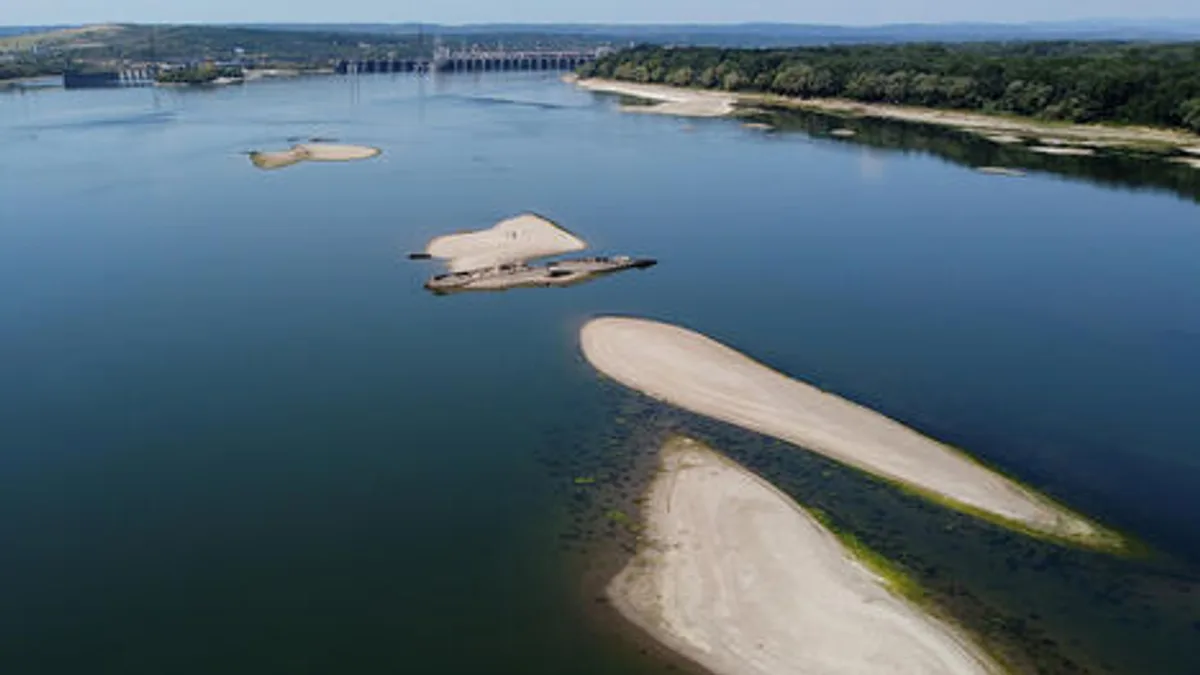
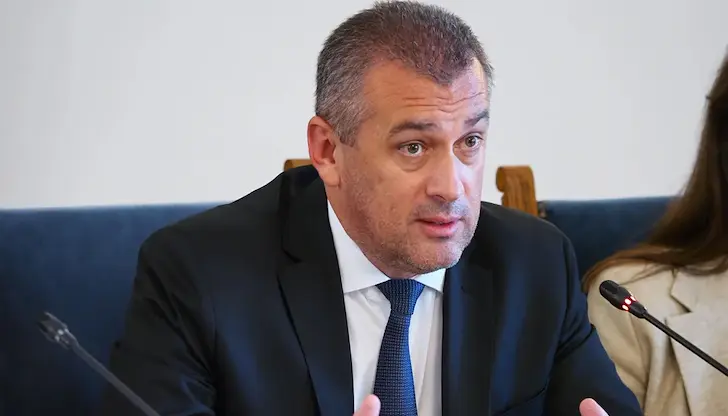
Serbia has the potential to become one of the key logistics and industrial hubs at the intersection of Ukrainian cargo flows, the Western Balkans and the European Union. This approach was outlined by Marko Čadež, President of the Chamber of Commerce and Industry of Serbia, who emphasized the strategic importance of the Danube route for redirecting Ukrainian trade under wartime and post-war conditions.
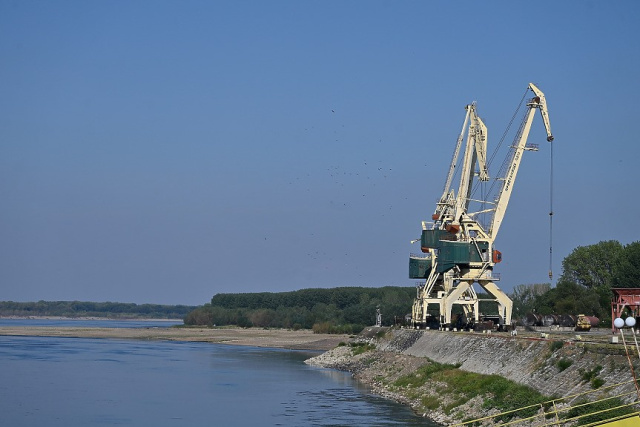
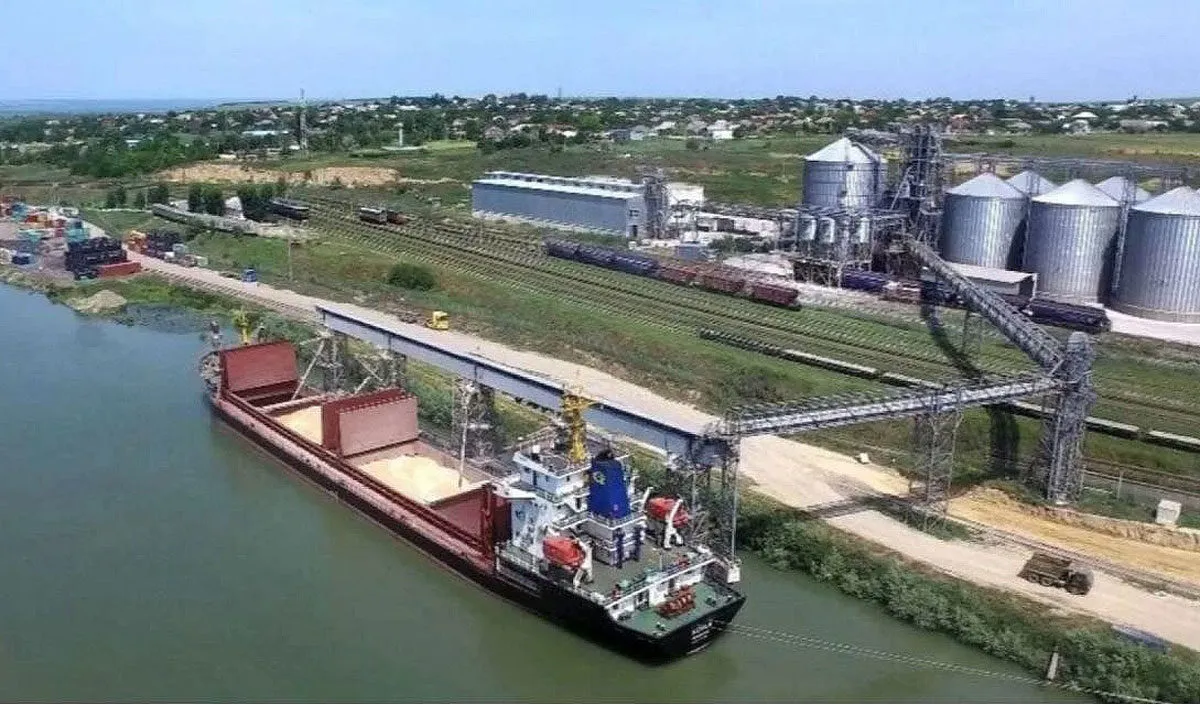
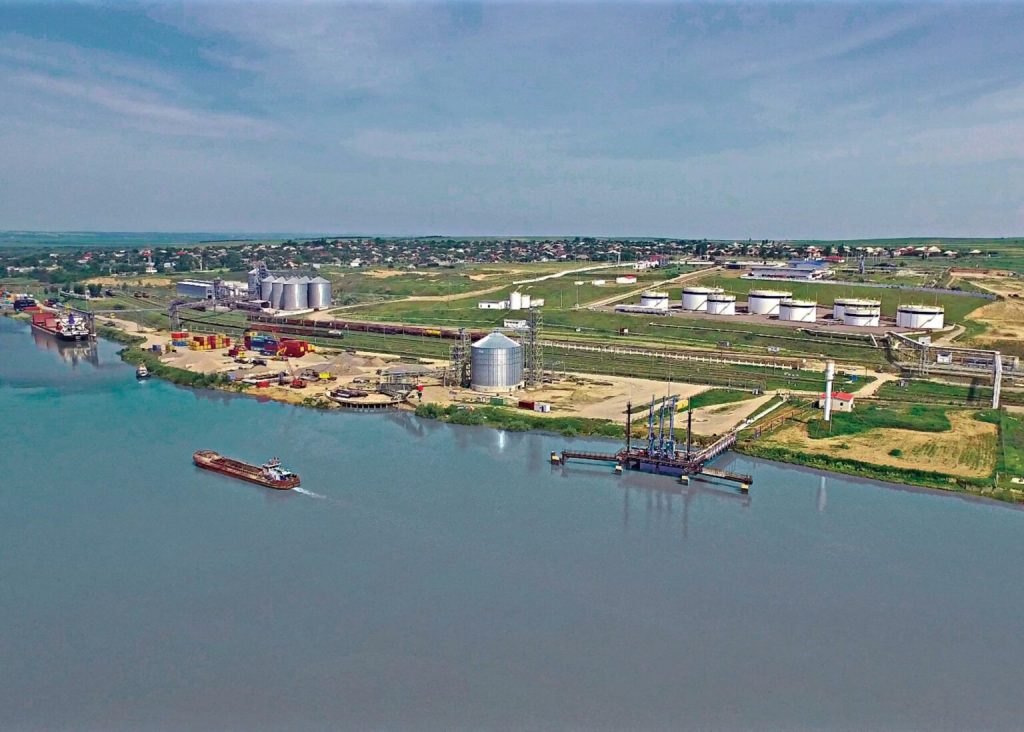
According to him, the use of the waterway from Ukraine’s Danube ports of Izmail and Reni to Serbian ports and further to intermodal terminals could ensure the efficient redirection of Ukrainian goods to the markets of Central Europe, the Western Balkans and the Adriatic region.
Marko Čadež also stressed that Serbia could act not only as a transit territory, but also as a platform for generating added value. This includes the possibility of processing, assembling, packaging or industrially upgrading Ukrainian raw materials and semi-finished products before their further entry into external markets.
In this context, intermodal logistics, free economic zones, port infrastructure and industrial sites are becoming increasingly important. Serbia could serve as a manufacturing and technological base for Ukrainian companies seeking to strengthen their presence in the markets of the Western Balkans, the EU, Asia and Africa.
Serbian businesses are also considering participation in Ukraine’s post-war reconstruction. Potential areas of cooperation include the restoration of transport infrastructure, energy facilities, housing stock and industrial enterprises. Serbian companies are already showing interest in supplying products and joining reconstruction projects, particularly in the energy sector.
IDR Commentary
For Ukraine, the development of the Danube route towards Serbia is more than just an alternative logistics option. It is about forming a new spatial and economic corridor that could connect Ukraine’s Danube ports, Serbian transport and industrial hubs, the Western Balkan markets and the EU transport system.
It is particularly important that the Serbian side views the Danube not only as a cargo transport channel, but also as a basis for industrial cooperation. This approach corresponds to the modern European logic of transport corridor development, where port, rail, road, warehouse and production infrastructure should operate as an integrated value-creation system.
For the Ukrainian Danube region, this opens up several practical opportunities. First, the ports of Izmail and Reni could strengthen their role as starting points for cargo flows towards the Balkans. Second, Ukrainian companies could gain additional opportunities to diversify export and import routes. Third, there is potential for new production and logistics chains in which Ukrainian raw materials or semi-finished products may undergo part of their technological processing closer to target markets.
At the same time, the implementation of this scenario requires systematic coordination. It will be necessary to align tariff policy, develop river and port infrastructure, improve customs procedures, digitalize logistics operations and integrate Ukrainian Danube ports into wider European and Balkan transport networks.
The Institute of Danube Research believes that the Ukrainian-Serbian direction could become one of the important elements of Ukraine’s post-war economic integration with South-Eastern Europe. In this context, the Danube should be regarded not only as a transport artery, but also as a platform for a new model of regional partnership, industrial cooperation and the restoration of Ukraine’s economic resilience.
 Moldova
 Ukraine
 Bulgaria
 Hungary
 Romania



 Danube