

Romania Is Rewriting the Rules on the Danube: Risks for Odesa Region Ports and Ukraine’s Response
 Ukraine
25.05.2026
Ukraine
25.05.2026
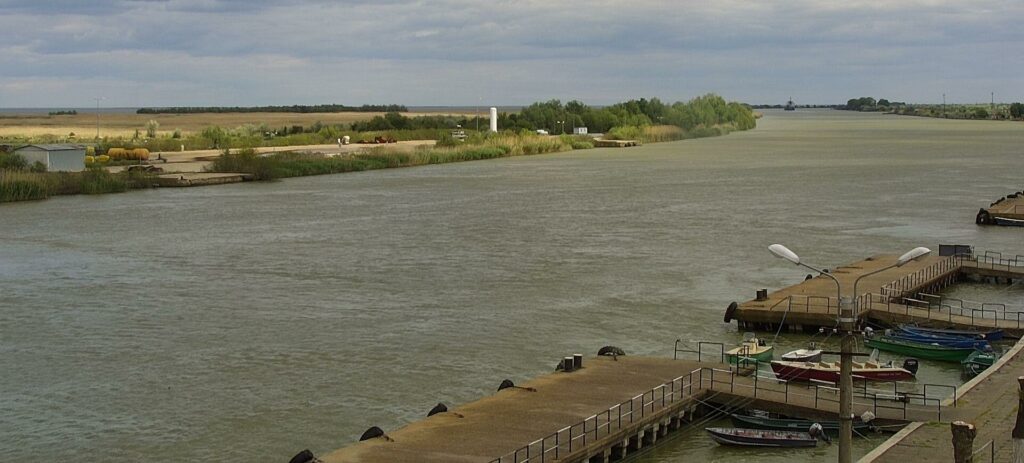
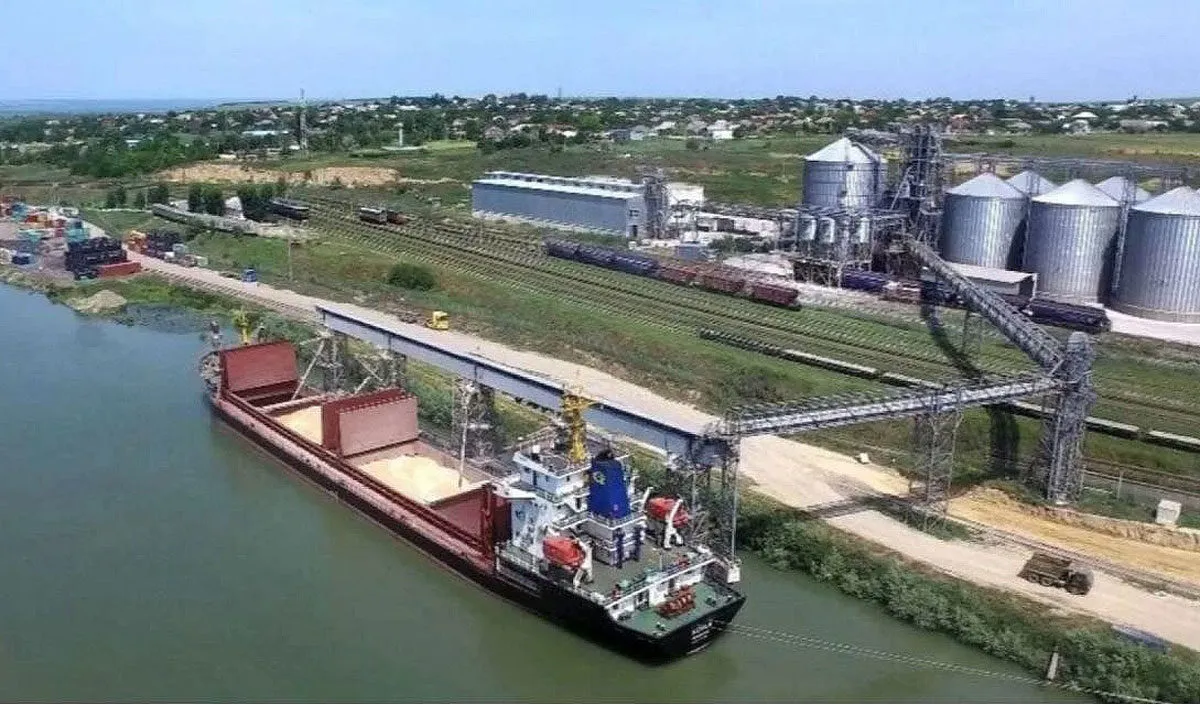
The situation around the Sulina Canal, the ports of Izmail, Reni and Ust-Dunaisk, as well as Giurgiulești and Constanța, shows that a new logistics configuration is emerging in the Lower Danube. Security arguments are increasingly intertwined with the economic redistribution of cargo flows. For Ukraine, this is not merely a transport issue, but a matter of regional resilience, export competitiveness and the institutional agency of Odesa region within the Danube–Black Sea logistics system.
The most sensitive element remains the Sulina Canal, which, under wartime conditions, has become one of the key routes for vessels connected with Ukrainian Danube ports. Since 1 November 2025, Romania has introduced restrictions on the passage of vessels carrying dangerous goods through the Sulina Canal — limiting traffic to two vessels per day. Formally, this may be explained by navigation safety and risk management considerations. However, the economic effect for Ukrainian ports is evident: queues, delays, higher freight costs, more expensive insurance and reduced predictability of logistics chains.
For Izmail and Reni, the problem is not only the physical capacity of the canal. The core issue is that a part of Ukraine’s critically important logistics remains dependent on the regulatory regime of a neighbouring state. Ukraine’s Bystre deep-water fairway partially reduces this dependence, but does not eliminate it, especially for vessels with larger draughts and for certain types of cargo. Therefore, any administrative restriction on Sulina is effectively transformed into an additional cost for Ukrainian exports.
It is particularly important that this situation is unfolding in parallel with Romania’s growing control over key logistics assets in the region. In January 2026, it was reported that Romania had acquired 100% of the shares of Danube Logistics, the operator of Moldova’s Giurgiulești International Free Port. At the same time, the Moldovan side clarified that the transaction concerned the private operator, not the state-owned port land. In April 2026, it was reported that the agreement with the EBRD regarding the Giurgiulești port operator had been finalised.
As experts of the Institute of Danube Research have repeatedly noted, Romania is consistently forming a triangle of influence: Constanța — Sulina — Giurgiulești. Constanța is being positioned by Bucharest as the main Black Sea logistics hub. As early as 2024, the Romanian government announced investments in the port’s railway infrastructure, including the creation of a second railway access route and the strengthening of Constanța’s role as an alternative corridor for Ukrainian exports.
For Odesa region, the risk does not lie in the development of Romanian infrastructure itself, which is natural and understandable for an EU and NATO member state. The risk lies in asymmetry: Romania is strengthening its institutional, port and regulatory positions, while Ukraine’s Danube cluster still requires an integrated governance model, stable tariff incentives, investment in fleet development, digitalisation and guaranteed security.
That is why the Institute’s previous proposals regarding a single Danube administration, cluster-based governance of the ports of Izmail, Reni and Ust-Dunaisk, and the reinvestment of part of port revenues into local infrastructure are gaining practical significance. For 2026, Ukraine’s Ministry for Communities and Territories Development has also outlined the tasks of creating a single administration for the Danube cluster, automating port processes, developing the River Information Service and maintaining the operation of Danube ports at no less than 15 million tonnes of cargo per year.
A separate direction of Ukraine’s response should be the Orlivka — Isaccea road bridge. This is not merely a local infrastructure project, but a potential element of a new land corridor between Ukraine and the European Union. The bridge project has been included in the Strategy for the Recovery and Development of Odesa Region for 2025–2027, with estimated financing exceeding UAH 12.6 billion over three years. According to estimates, the bridge could shorten the route to Isaccea by approximately 80 kilometres and reduce carriers’ dependence on more complex transit schemes.
At the same time, the bridge cannot be viewed as a full substitute for port logistics. Its role is diversification. It should create an alternative cargo route, reduce pressure on individual border crossing points, strengthen the resilience of southern Odesa region and provide businesses with more routing options in the event of congestion, attacks or regulatory restrictions on river routes.
The position of the Institute of Danube Research is that Ukraine must move from reactive responses to the decisions of neighbouring states towards its own proactive Danube policy. This is not about confrontation with Romania, but about the need for a symmetrical institutional response. Ukraine must be not only a user of regional routes, but also one of the centres shaping them.
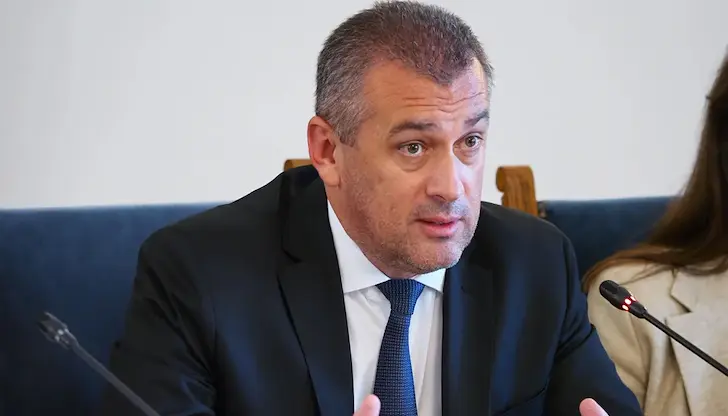
As Vitaliy Barvinenko, Director of the Institute of Danube Research, Doctor of Juridical Sciences and Professor, notes:
“Today, the Danube is not a reserve logistics route, but a strategic axis of Ukraine’s economic resilience. If traffic rules, tariffs, pilotage services and port flows are determined outside the Ukrainian institutional framework, we lose not only money, but also managerial agency. The response must be systemic: a single Danube administration, the development of Orlivka — Isaccea, port digitalisation, fleet incentives and the inclusion of Odesa region’s Danube infrastructure into broader European transport corridors.”
In conclusion, the situation around the Sulina Canal demonstrates the structural vulnerability of Ukrainian logistics: even when the ports are operating, their efficiency may be limited by decisions made by external infrastructure administrators. Therefore, Ukraine’s strategic task is not only to increase cargo turnover on the Danube, but also to create a governance model under which Izmail, Reni and Ust-Dunaisk operate as a coordinated cluster integrated with railways, road corridors, border infrastructure and port services.
For Odesa region, this issue has already moved beyond the framework of transport policy. It concerns economic security, the future of Bessarabia, the competitiveness of Ukrainian exports and Ukraine’s role in the Danube region after the war. Romania is strengthening its position — and this is logical. But Ukraine must act in such a way that the Lower Danube does not become a space of unilateral control, but rather a zone of balanced partnership, where the Ukrainian ports of Odesa region have their own strong institutional, infrastructural and economic foundation.
 Moldova


 Serbia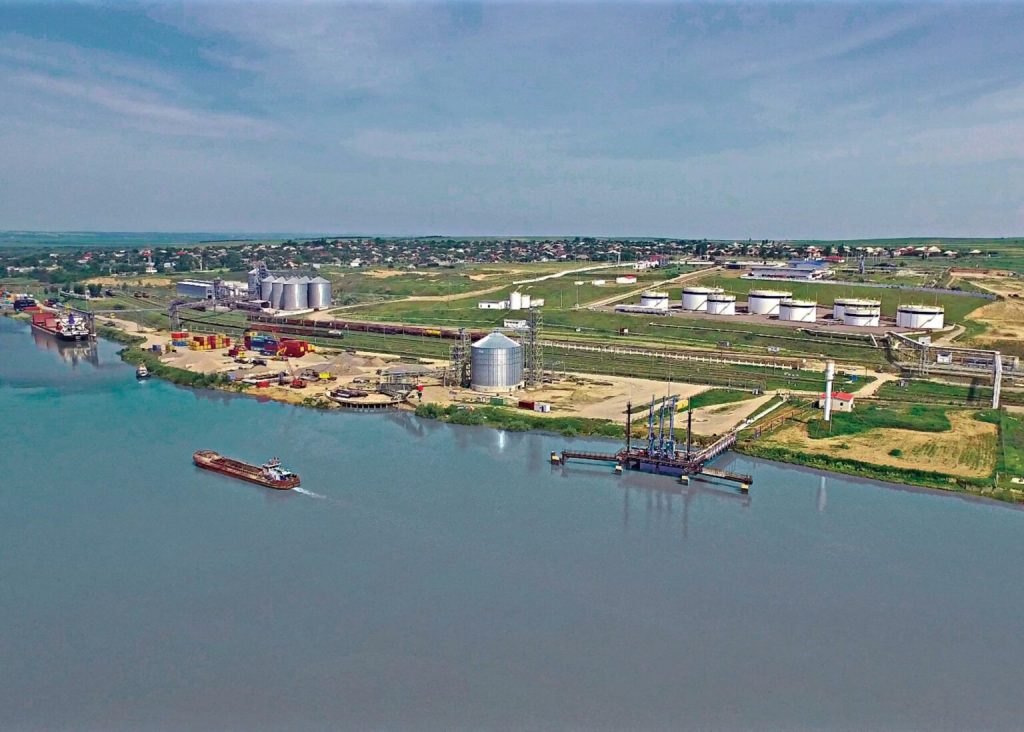
 Bulgaria
 Hungary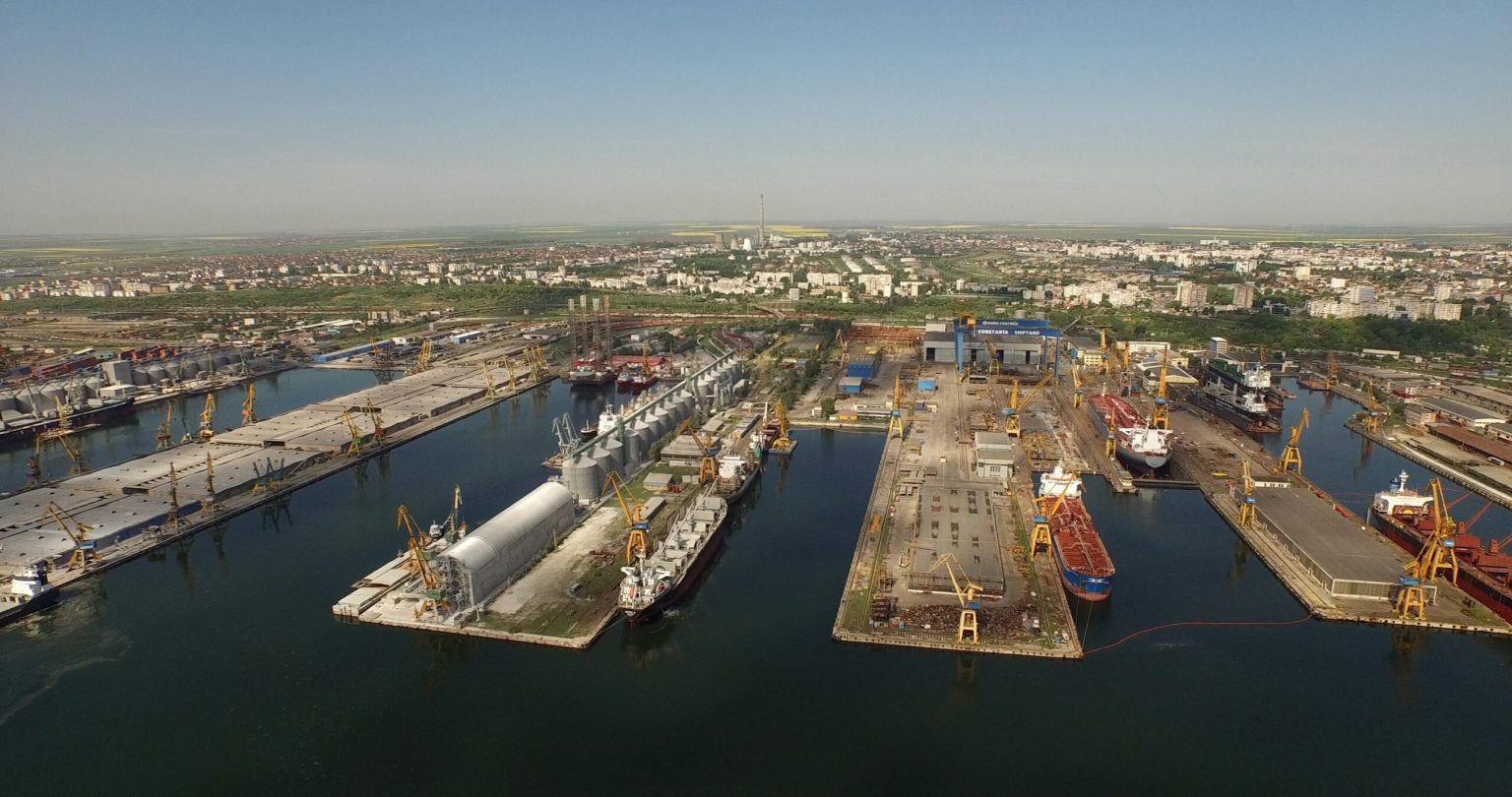
 Romania


 Danube