

A Large-Scale Energy Park Is Planned in Bessarabia: The Budzhak Energo Project
 Ukraine
26.05.2026
Ukraine
26.05.2026
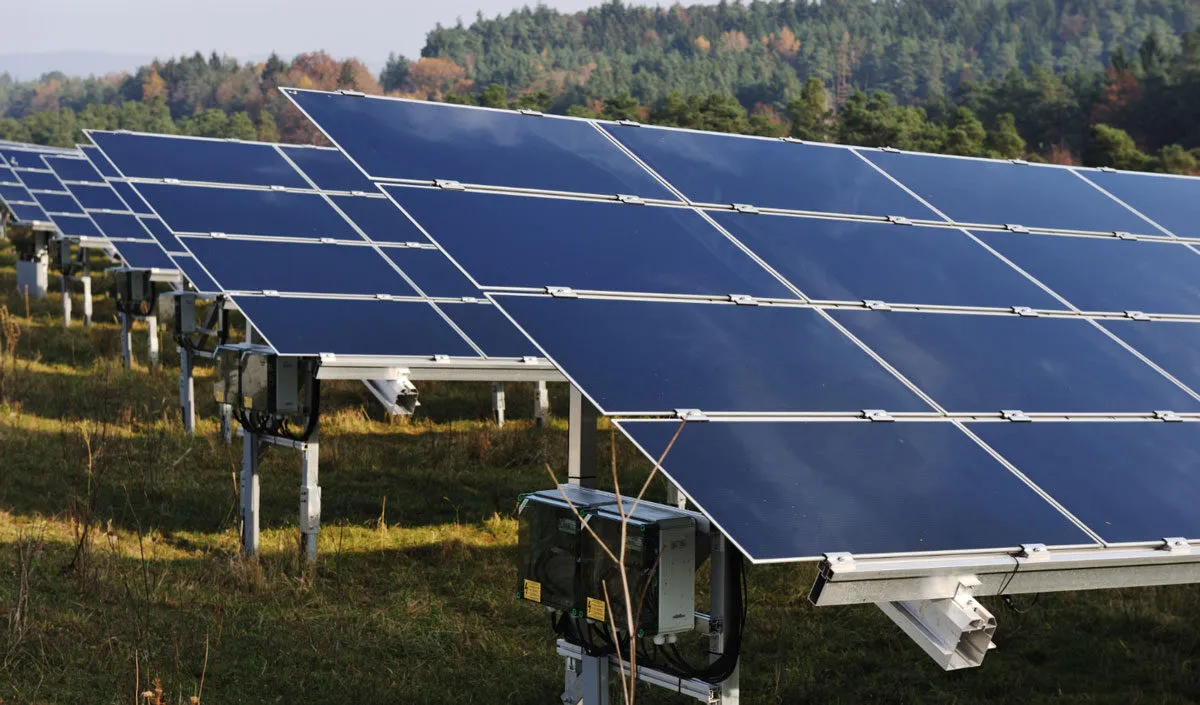
In Budzhak community, Bolhrad district, Odesa region, a public discussion has started on the concept of the Budzhak Energo industrial and energy park. The project provides for the creation of a major renewable energy centre in southern Odesa region, combining solar generation, energy storage systems and industrial infrastructure for enterprises related to green energy.
According to the presented concept, the project will be implemented on an area of almost 185 hectares, with the possibility of further expansion to 500 hectares. If fully implemented, the capacity of solar power plants may reach 120–140 MW, while energy storage systems may provide up to 300 MWh.
The preliminary investment volume is estimated at UAH 2.9–3.2 billion. The main financing is expected to come from private investors, while Budzhak settlement council plans to allocate around UAH 5 million for preparatory and land management works. The project initiators also expect to attract European grants and preferential green financing.
Bessarabia is located close to the border with Moldova, the Danube ports of Izmail, Reni and Kiliia, as well as the Reni–Chișinău railway line. This creates preconditions for integrating the energy park into a broader system of cross-border logistics, industrial cooperation and potential export of equipment or electricity.
Among the expected effects of the project are increased energy security for the community, backup power supply for critical infrastructure, the creation of up to 150 temporary jobs during construction and up to 80 permanent jobs after launch. According to preliminary estimates, the local budget may receive UAH 30–60 million annually in additional revenues from taxes and land lease payments.
The preparatory stage of the project is planned for 2026–2027. During this period, the park is expected to be included in the state register of industrial parks, the detailed spatial plan is to be approved, and a management company is to be selected. Construction of the main infrastructure and the first phase of solar power plants may take place during 2026–2029, while full commissioning and reaching maximum capacity are planned by 2035.
Commentary by the Institute of Danube Research
The Institute of Danube Research views Budzhak Energo as an important element of a new development model for the Ukrainian Danube region, where energy security, the local economy, investment and cross-border integration should be considered not separately, but as a single system.
For Bessarabia, this project may have strategic significance for several reasons. The region remains energy-vulnerable under wartime conditions, amid threats to critical infrastructure and blackout risks. Therefore, the creation of local solar generation capacity combined with BESS systems can strengthen the autonomy of communities, hospitals, schools, water supply systems, communications and local self-government facilities.
The industrial and energy park can also become an instrument of economic diversification for southern Odesa region. Bessarabia has traditionally depended on agriculture, logistics and cross-border trade. The development of renewable energy, service enterprises, engineering professions and industrial cooperation may create a new basis for employment, tax revenues and technological renewal of the region.
In addition, the location of Budzhak community near the Moldovan border, Danube ports and transport corridors opens opportunities for the formation of a new energy and logistics hub. In the long term, such a project may be connected with the development of the Danube port cluster, cross-border energy projects, European decarbonisation programmes and EU policy on the energy resilience of border regions.
At the same time, the Institute stresses that the scale of the declared parameters requires a high quality of preparation. The project should undergo not only formal public discussions, but also a full environmental impact assessment, analysis of grid connection, and assessment of risks for land resources, transport infrastructure, the local budget and the socio-economic development of the community.
It is particularly important that the investment model be transparent and that the expected benefits for the community be legally secured. This concerns jobs for local residents, training and retraining, budget revenues, participation of local businesses, road development, engineering infrastructure and priority backup power supply for critical facilities.
As Vitaliy Barvinenko, Director of the Institute of Danube Research, Doctor of Juridical Sciences and Professor, notes:
“For Bessarabia, such projects are important not only as investments in energy. They are investments in community resilience, new jobs, technological renewal of the region and its integration into the European economic space. However, a large energy park must be not just a site for electricity generation, but an instrument of territorial development. The community must receive a concrete and long-term result from it.”
The Institute believes that Budzhak Energo may become an important pilot example for southern Odesa region if it is implemented on the principles of openness, environmental responsibility and strategic planning. To achieve this, it is necessary to ensure a balance between the interests of investors, the community, the state and the environment.
In a broader context, the project corresponds to the logic of Ukraine’s post-war recovery: communities should not only rebuild damaged infrastructure, but also create new points of economic growth. For the Ukrainian Danube region, this is particularly relevant, as the region combines a border location, logistics potential, an agricultural base, solar resources and proximity to European markets.
The industrial and energy park in Budzhak may become not merely a local energy facility, but part of a new development strategy for Bessarabia — energy-independent, investment-attractive and integrated into the Danube region.
 Moldova

 Serbia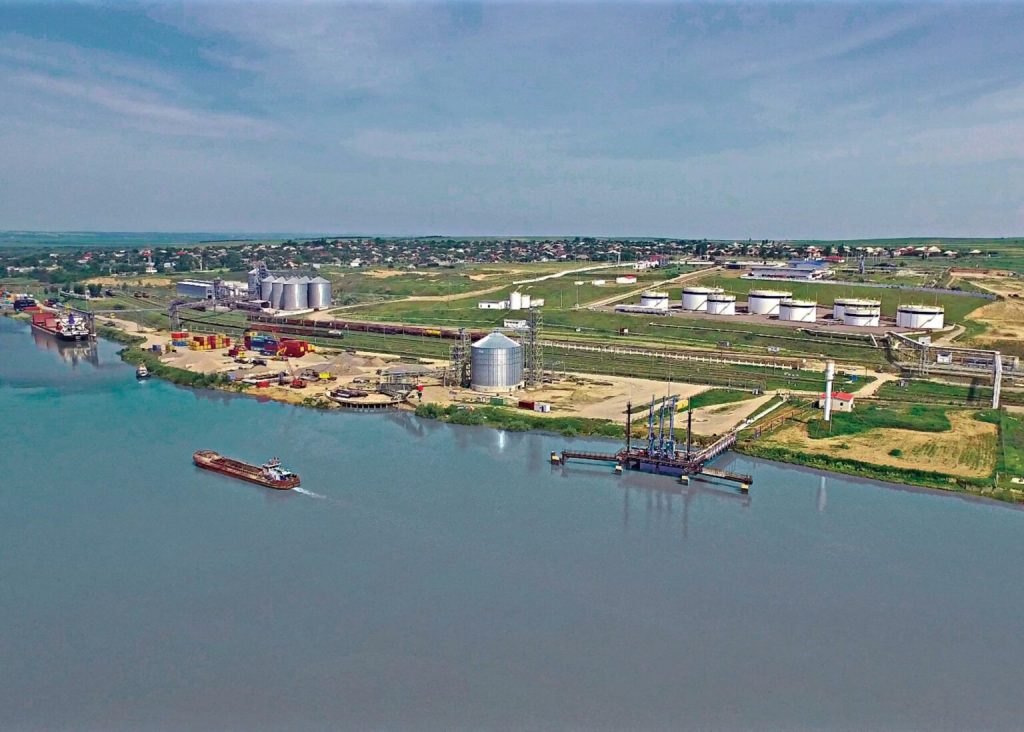
 Bulgaria
 Hungary
 Romania

 Danube