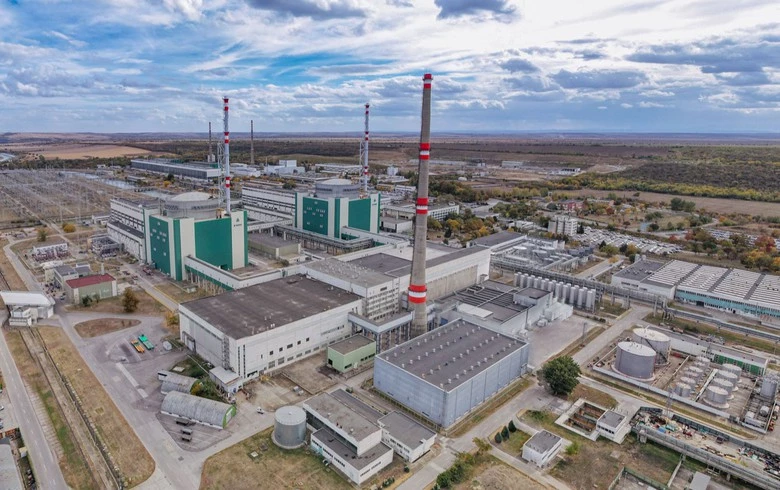


Fondul Proprietatea invests EUR 11 million to preserve its stake in the Port of Constanța: what this means for Ukraine’s Danube ports
 Romania
19.05.2026
Romania
19.05.2026
Romanian investment fund Fondul Proprietatea has exercised its pre-emptive right and subscribed for 5,632,510 new shares in the National Company Administrația Porturilor Maritime S.A. Constanța — the administration of the maritime ports of Constanța. The total value of the subscription amounts to RON 56.3 million, or approximately EUR 11 million.
The decision was made as part of the company’s share capital increase, approved by the Extraordinary General Meeting of Shareholders of CNAPM on 30 March 2026. Earlier reports indicated that the capital increase could reach a maximum of RON 281.6 million, or approximately EUR 55–57 million, through a cash contribution and the issuance of new shares with a nominal value of RON 10 per share.
For Fondul Proprietatea, this step is primarily defensive in nature: the fund exercised its pre-emptive right in order to avoid dilution of its stake in CNAPM. According to the fund’s portfolio information, its participation in CNAPM amounts to 20%.
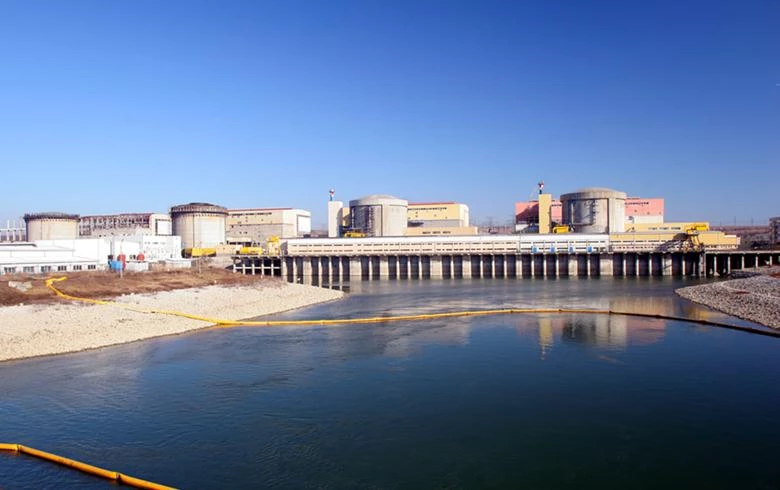
CNAPM is one of the most important assets in Fondul Proprietatea’s portfolio and a strategic company for Romania, as it manages the key port infrastructure of Constanța — the country’s main maritime hub on the Black Sea.
The capital increase of CNAPM should be viewed not only as a corporate transaction, but also as part of a broader process of strengthening Romania’s port infrastructure. Since 2022, the Port of Constanța has become one of the key logistics hubs for exports and imports in the Black Sea–Danube region, particularly in the context of Ukrainian cargo flows, alternative routes and the EU Solidarity Lanes.
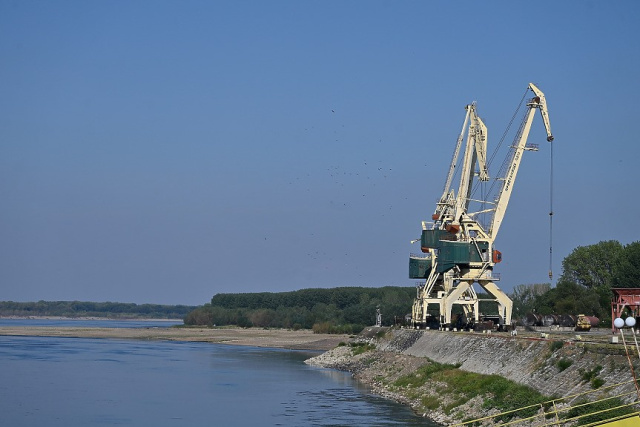
The capitalisation of the port operator creates preconditions for infrastructure modernisation, stronger management capacity and the preservation of the company’s investment attractiveness. At the same time, it may strengthen Constanța’s competitive position in relation to other port hubs in the region, including Ukraine’s Danube ports — Izmail, Reni and Ust-Dunaisk.
Comment by the Institute of Danube Research
According to the experts of the Institute of Danube Research, Fondul Proprietatea’s decision to support the capital increase of CNAPM is an indicative signal for the entire Black Sea–Danube area. It demonstrates that Romania continues to view the Port of Constanța as a strategic infrastructure asset that must remain financially capable, investment-attractive and ready for further competition for regional cargo flows.
For Ukraine’s Danube ports, this has a dual significance.
On the one hand, Constanța remains an important partner hub for Ukrainian logistics. It provides access to maritime routes, is integrated with Romania’s rail and road infrastructure, and supports the operation of alternative transport corridors between Ukraine, Romania, Moldova and the EU.
On the other hand, the strengthening of Constanța’s financial and infrastructure base means growing competitive pressure on Ukraine’s Danube ports. If Constanța receives additional investment resources for capacity modernisation, digitalisation, expansion of throughput and service improvement, this may influence the distribution of cargo flows in the region.
This is particularly sensitive for the ports of Reni, Izmail and Ust-Dunaisk, which have acquired critical importance for Ukrainian exports since 2022, but remain vulnerable due to infrastructure constraints, security risks, tariff burdens and the need for systematic modernisation.
Experts of the Institute of Danube Research have repeatedly emphasised that Ukraine’s response to the strengthening of Constanța should not be based on opposition to the Romanian port, but on the formation of its own comprehensive policy for the development of the Danube port cluster. This means modernising quay, rail and road infrastructure, digitalising port procedures, ensuring a transparent tariff policy, reinvesting part of port revenues into regional development, and creating competitive conditions for cargo owners.
In this context, Ukraine’s Danube ports should be viewed not merely as reserve wartime logistics infrastructure, but as a long-term element of the European transport system. Their future depends on Ukraine’s ability to integrate the Danube direction into the broader TEN-T policy, the Solidarity Lanes, cross-border cooperation with Romania and Moldova, and the post-war recovery of the economy of southern Odesa region.
The Institute of Danube Research stresses that the capitalisation of the Port of Constanța is a signal that competition for cargo flows in the Black Sea–Danube region will intensify. For Ukraine, this should become an argument in favour of accelerated modernisation of the Danube ports and the formation of a resilient, investment-attractive and integrated Danube logistics policy.
 Moldova
 Ukraine
 Serbia
 Bulgaria
 Hungary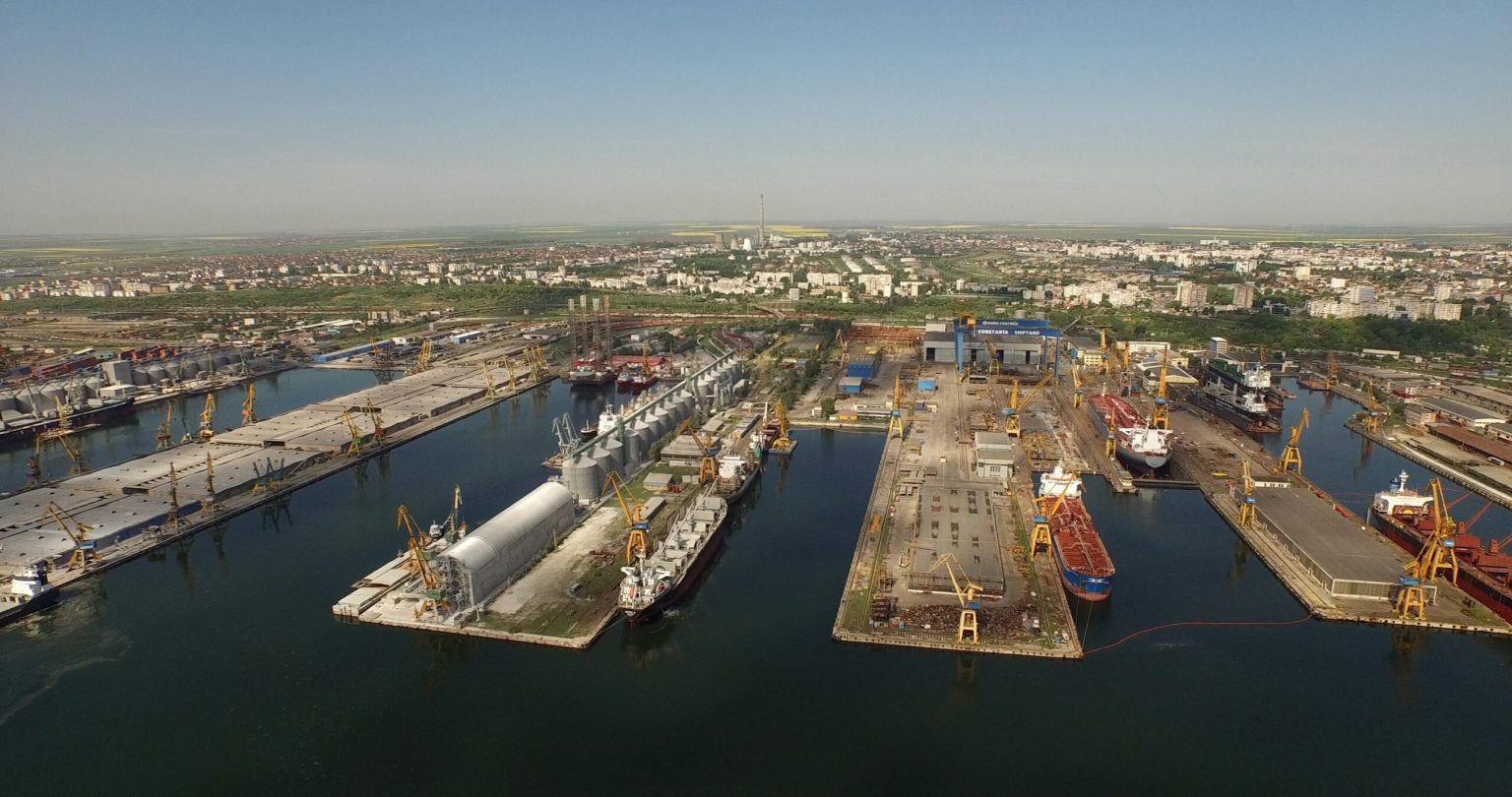



 Danube