

Ukrenergo Plans to Strengthen Energy Links Between Ukraine, Moldova and Romania Through New Power Transmission Lines
 Ukraine
18.05.2026
Ukraine
18.05.2026
NPC Ukrenergo is considering the possibility of expanding interstate electricity interconnections that could, in the future, link the energy systems of Ukraine and Romania through the territory of the Republic of Moldova. This concerns the development of an additional infrastructure basis for increasing the resilience of regional energy systems, expanding balancing capacities, and further integrating Ukraine and Moldova into the European electricity market.
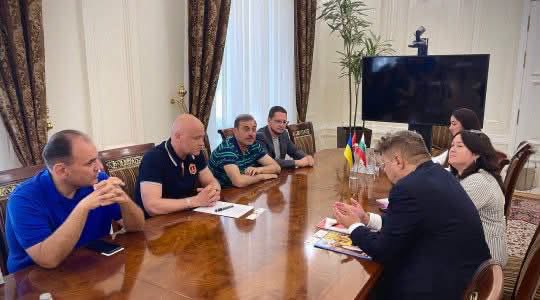
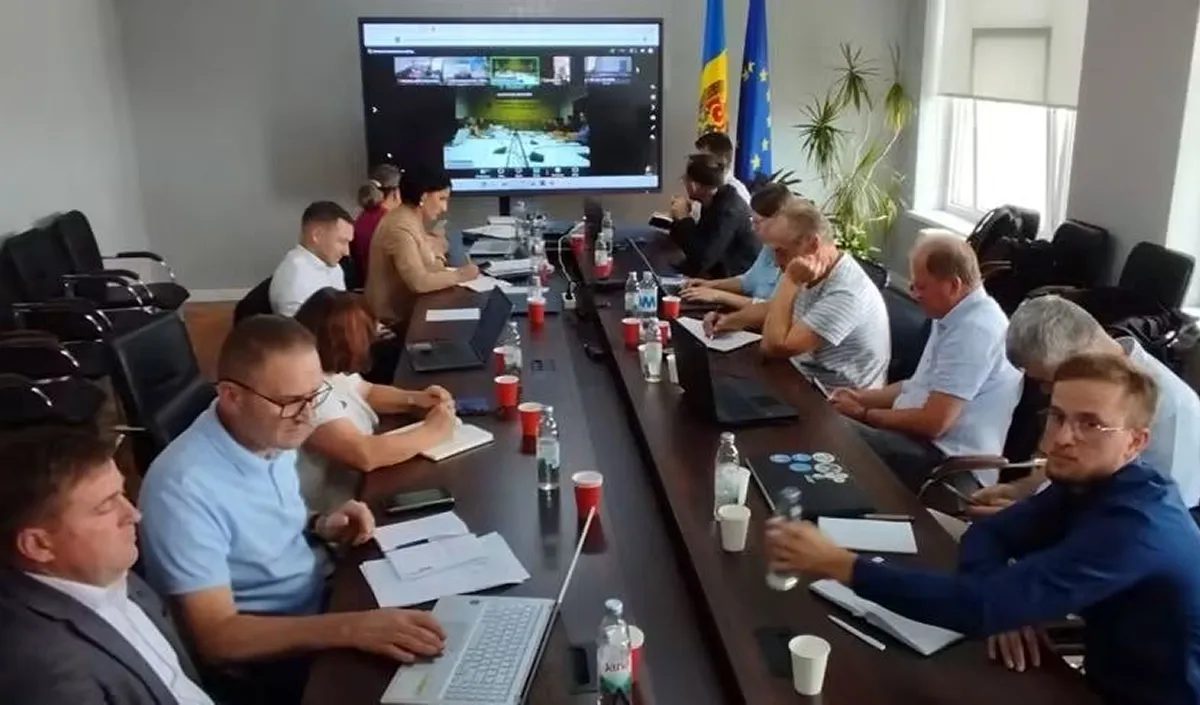
This was reported following a meeting between Ukrenergo’s management and the Ambassador Extraordinary and Plenipotentiary of the Republic of Moldova to Ukraine, Victor Chirilă. The discussions focused on preparations for the next autumn-winter period, strengthening the reliability of energy infrastructure, and deepening cooperation between Ukraine and Moldova in the context of their joint synchronisation with the European energy system ENTSO-E.
Chairman of the Management Board of NPC Ukrenergo, Vitalii Zaichenko, emphasised that preparation for winter remains a priority for both the Ukrainian and Moldovan sides, as does the need to increase the technical capacity of interstate electricity interconnections. According to him, this requires the construction of new power transmission lines. The implementation of such projects would strengthen connections between Ukraine and Moldova and, in the longer term, with Romania.
These plans are particularly important in a broader regional context. Ukraine and Moldova synchronised their energy systems with the Continental European network ENTSO-E on 16 March 2022. The next stage is not only the technical functioning of both systems within a common European energy space, but also their gradual integration into the EU common electricity market. This requires both legislative changes and practical modernisation of cross-border infrastructure.
The meeting also addressed the conclusion of agreements on the provision of emergency assistance in cases of electricity surplus in the energy systems. Such a mechanism could have a positive impact on the quality of balancing in Ukraine and the Republic of Moldova, especially during peak loads, emergency situations, or periods of unstable generation.
A separate issue discussed was the regulation of maintenance procedures for power transmission lines crossing the Ukrainian-Moldovan border. This has significant practical importance, as effective management of cross-border infrastructure requires clear procedures, coordinated operating rules, and rapid interaction between transmission system operators.
Comment by the Institute of Danube Research
According to experts of the Institute of Danube Research, the possible strengthening of electricity links between Ukraine, Moldova and Romania should be viewed not only as a technical energy project, but also as an element of a new regional resilience architecture in the area between the Danube, the Black Sea and the European energy system.
For southern Ukraine, particularly Odesa region and the Danube area, the development of such interstate interconnections is of strategic importance. The region simultaneously performs the functions of a transport, logistics, border and energy hub. Therefore, increasing the capacity of electricity networks and creating additional connections with Moldova and Romania may strengthen energy security not only for individual states, but for the entire Lower Danube area.
The integration of the Ukrainian and Moldovan energy systems into the European electricity market creates preconditions for more flexible electricity flow management, the development of emergency mutual assistance, improved balancing stability, and greater resilience of critical infrastructure. In the context of wartime risks, attacks on energy facilities, and the growing role of renewable energy, such decisions acquire not only economic but also security significance.
It is important that the potential connection between Ukraine and Romania through Moldova effectively forms a trilateral energy cooperation framework. This framework may complement existing transport and logistics initiatives in the region, including the development of Danube ports, border infrastructure, multimodal corridors and integration into European networks.
For the Institute of Danube Research, it is essential that energy infrastructure is increasingly becoming part of an integrated regional development policy. New power transmission lines are not merely physical network facilities, but instruments for enhancing investment attractiveness, industrial resilience, cross-border cooperation and Ukraine’s long-term integration into the European Union.
In this context, Ukrainian-Moldovan-Romanian energy cooperation may become one of the important practical directions in shaping a resilient Danube-Black Sea macro-region, where transport, energy and security policies mutually reinforce each other.
 Moldova
 Serbia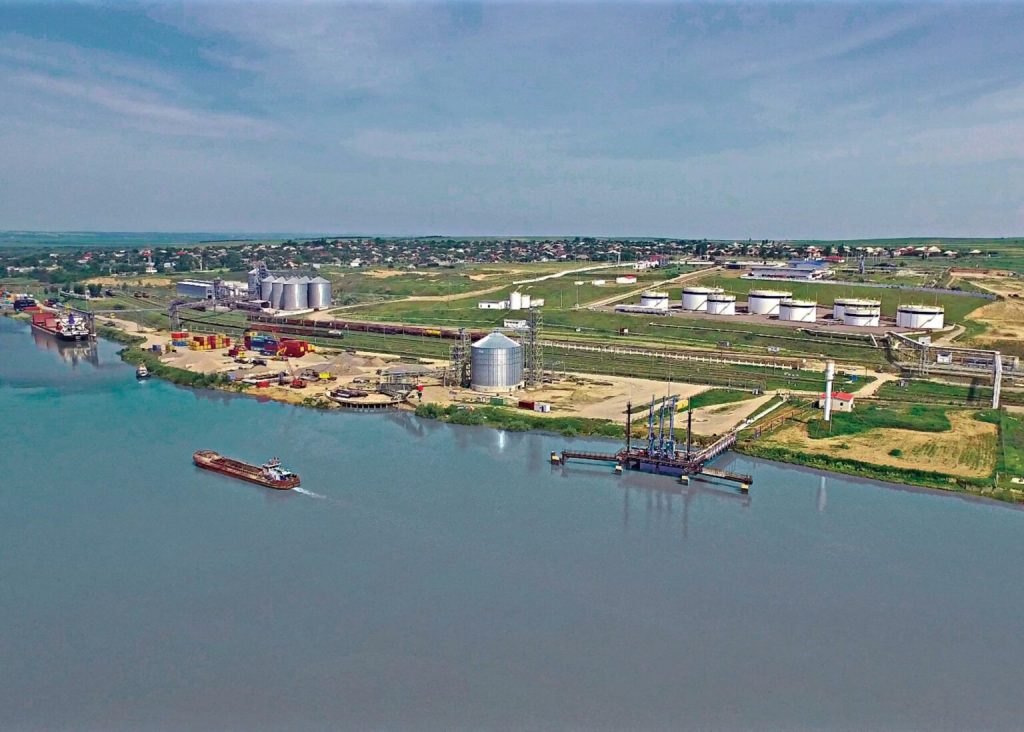
 Bulgaria
 Hungary
 Romania

 Danube