

Tugboat sinks in Romania’s Midia Port
 Romania
19.03.2026
Romania
19.03.2026
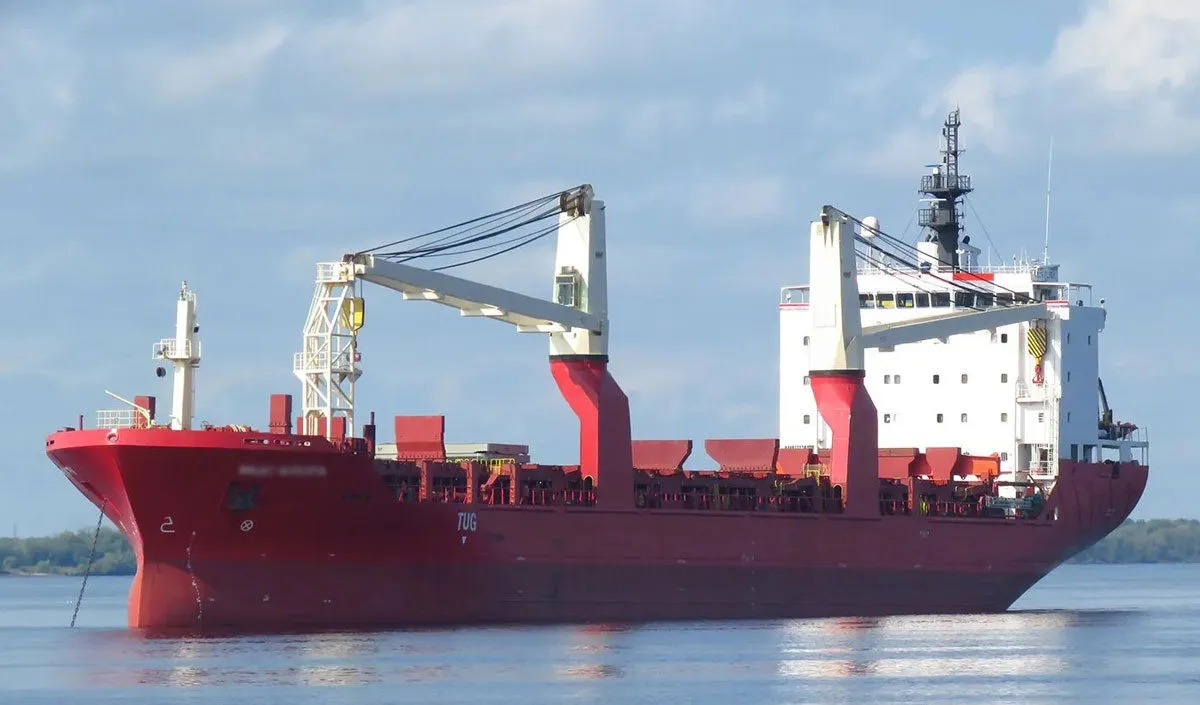
A serious maritime accident occurred on 18 March in the area of Romania’s Midia Port, where the tugboat Astana sank during an operation involving the tanker Amades. According to Romanian media reports and statements cited from local maritime authorities, the tanker was heading toward the offshore Monobuoy terminal, located around eight kilometres from Midia Port, while the tugboat was providing assistance during the manoeuvre.
Deputy director of the Constanța zonal harbour authority Adrian Stancu told journalists that the tugboat reported by radio that its main engines had stopped and that it had been left without propulsion. The pilot on board the tanker then observed that the tugboat had already listed to starboard. Within a very short time, the vessel reportedly capsized, turned keel-up and sank in a near-vertical position.
The tugboat’s crew consisted of five Romanian nationals. One crew member was recovered from the water and brought ashore, but rescuers were unable to revive him. At the time of the most consistent public reporting, four other crew members remained missing and search-and-rescue operations were still under way. Some reports suggested a worst-case scenario, but these should be treated cautiously until confirmed by final official statements.
Romanian authorities have already opened a criminal case in order to establish the exact causes and circumstances of the accident. The incident has drawn particular attention because it took place during a routine but high-risk port assistance operation, underlining the vulnerability of tug support activities when technical failure occurs in a narrow operational window.
IDR comment
The Midia incident highlights the high level of operational risk in port and near-port navigation across the wider Black Sea region, especially during manoeuvres involving tankers and tug support vessels. For countries whose maritime infrastructure is under growing pressure, the technical condition of auxiliary fleets, emergency coordination, pilotage procedures, and rapid rescue capacity are not secondary issues, but core elements of transport resilience and maritime safety governance.
For Ukraine, this case has broader regional relevance. As the role of ports, roadsteads, and maritime logistics corridors continues to grow, tugboat safety, fleet monitoring, and readiness for immediate search-and-rescue response should be regarded as integral components of critical transport infrastructure security. The tragedy in Midia demonstrates how quickly a local operational disruption can escalate into a human and systemic emergency with wider implications for regional maritime safety.
 Moldova
 Ukraine
 Serbia

 Bulgaria
 Hungary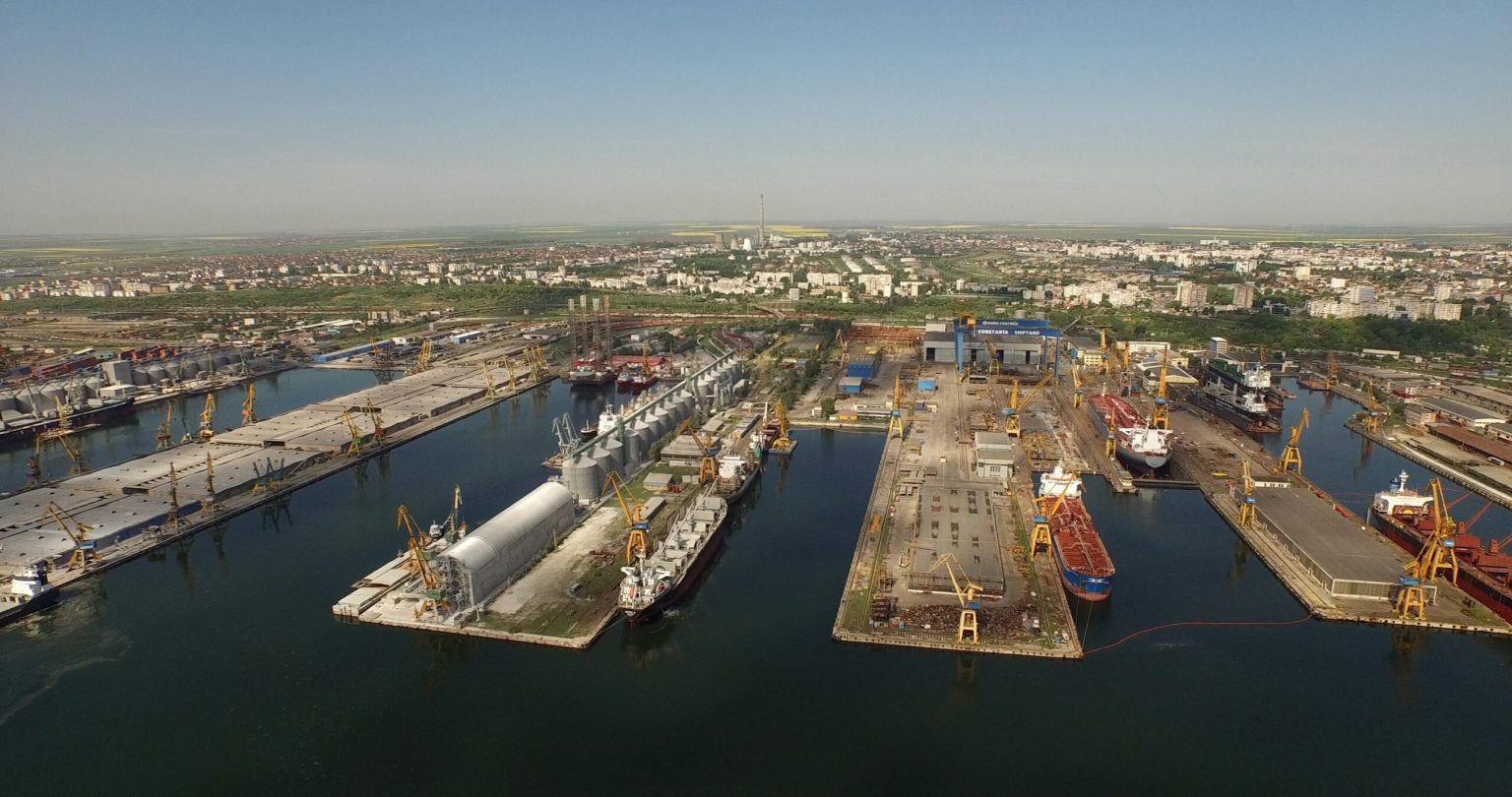



 Danube