

The World Bank Provides Nearly $8 Million for the Restoration of the Dniester Ecosystem in Moldova
 Moldova
01.04.2026
Moldova
01.04.2026
In Moldova, the RE-MAP project (“Restoring Ecosystems to Prevent Marine Pollution”) will be implemented during 2026–2030. It is aimed at protecting the Dniester ecosystem, restoring forests, preserving wetlands, and increasing soil resilience. The initiative is financed through a $7.9 million grant provided by the International Bank for Reconstruction and Development with the support of the Global Environment Facility.
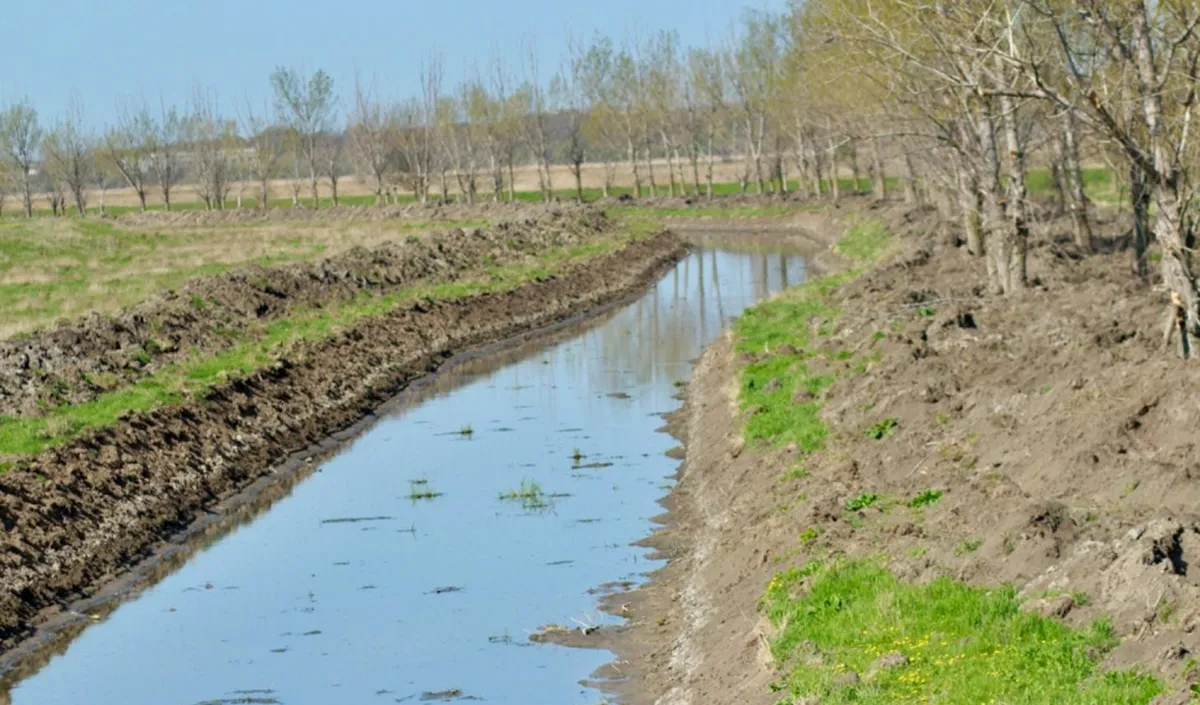
The project envisages a comprehensive set of environmental and land protection measures in the Dniester River basin. In particular, it includes the rehabilitation of forest ecosystems on 1,700 hectares of state-owned land and 500 hectares of community land, the protection of riverbeds and wetlands over 500 hectares, as well as the development of agroforestry systems and pastures on 10,000 hectares, including a 100-hectare pilot project.
A special emphasis is placed on the restoration of degraded agricultural land, the prevention of land-based pollution, the enhancement of biodiversity, and the strengthening of soils’ capacity to adapt to climate change. In addition to environmental benefits, the project is expected to reduce soil erosion and improve agricultural productivity.
The works will be carried out in 15 districts of Moldova: Ocnita, Donduseni, Drochia, Soroca, Floresti, Soldanesti, Rezina, Telenesti, Orhei, Criuleni, Ialoveni, Anenii Noi, Dubasari, Causeni, and Stefan Voda. Local communities will be actively involved in implementation. During the project presentation, Liliana Bacal, mayor of Salcuta village in Causeni district, announced plans to plant a forest belt along the Putna River and improve soil quality on a large agricultural land plot.
The project will be coordinated by Moldova’s National Office for the Implementation of Environmental Projects.
Comment by the Institute of Danube Research
The launch of the RE-MAP project is an example of the transition from local environmental protection measures to integrated river basin management, where environmental policy is combined with agricultural, climate, and water security policies. For the Dniester basin, this is of particular importance, as the condition of land, forest belts, riparian areas, and small watercourses directly affects not only water quality, but also the resilience of the entire transboundary natural complex.
IDR experts note that, in the broader regional context, this is a highly important signal for the countries of the Danube-Black Sea region: ecosystem restoration is increasingly being viewed not as a secondary environmental issue, but as an element of strategic security, food stability, and adaptation to climate risks. Moldova’s experience may also be of interest to Ukrainian communities in the Dniester and Danube basins, where anti-erosion land use, reforestation, and wetland protection are likewise acquiring systemic importance.
 Ukraine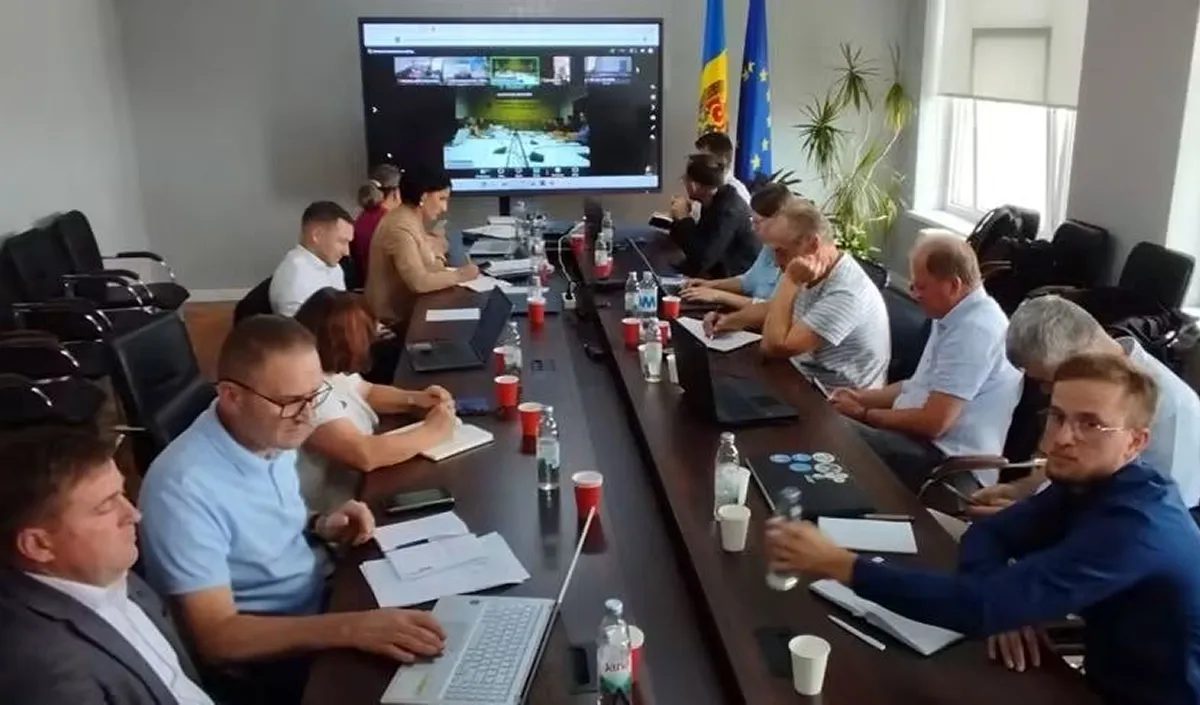

 Serbia
 Bulgaria
 Hungary
 Romania
 Danube