

The situation at the Port of Reni amid Romania’s expansion requires intervention at the state level
 Ukraine
03.04.2026
Ukraine
03.04.2026
Concern is growing in Reni over the future of the local port amid intensifying competition in the Lower Danube logistics hub. On 27 March 2026, deputies of the Reni City Council unanimously supported an appeal to the Verkhovna Rada of Ukraine and the Cabinet of Ministers regarding the difficult economic situation facing the Port of Reni following the transfer of Moldova’s Giurgiulești port into the orbit of Romania’s state port system. Local media reported that the draft appeal was supported by 19 deputies.
In their appeal, the deputies stressed that after the relaunch of Ukraine’s maritime corridor, a significant share of cargo flows shifted back to the deep-water ports of the Greater Odesa area, which led to a noticeable decline in cargo handling volumes in Reni. They also pointed to a structural competitiveness problem: in their assessment, the Port of Reni currently remains the most expensive in terms of mandatory state charges compared both with Izmail and with foreign competing ports such as Giurgiulești, Galați and Brăila. These factors, in their view, are eroding the port’s position in the regional market. According to the appeal, the city council is asking the central authorities to abolish unjustified charges for transit through the акваторія of the Port of Izmail for vessels heading to Reni, optimise pilotage arrangements, align railway transit tariff policy with the Moldovan side, and remove legislative contradictions related to the allocation of the port’s land plot of more than 94 hectares in order to attract investment. These measures, the deputies argue, are necessary to preserve Reni as a strategic element of the Danube logistics corridor and to maintain Ukraine’s export capacity.
A separate concern for Reni is the strategic transformation of Giurgiulești. The European Bank for Reconstruction and Development officially announced that it had agreed to sell 100 per cent of ICS Danube Logistics, the operator of Giurgiulești International Free Port, to Romania’s state-owned Port of Constanța. The EBRD stated that the transaction is intended to bring in a long-term strategic investor committed to developing the port and strengthening its integration into regional and global trade networks.
At the same time, Moldovan official sources have reported that the new operator intends to invest at least 24 million euros in the port’s development in the near future. This reinforces concerns in Reni that Giurgiulești may be more deeply integrated into the broader logistics architecture linked to Constanța, thereby intensifying competition for cargoes, services and future investment across the Lower Danube.
IDR comment
The Institute of Danube Research supports the position of the Reni City Council and believes that the situation surrounding the Port of Reni has clearly moved beyond a purely local issue. After Giurgiulești came under the control of Romania’s state port administration, competition in the Lower Danube has entered a new phase. Under these conditions, Ukraine cannot leave the Port of Reni alone with accumulated tariff, infrastructure and regulatory imbalances. The state response should be systemic and proactive.
IDR has consistently argued that the development of Giurgiulești in conjunction with Constanța means the formation of a more consolidated Romanian logistics contour on the Danube. Ukraine’s answer should therefore not be fragmentary. It should consist of a targeted state strategy to support its own Danube ports, above all Reni, as the most vulnerable link in the current configuration of competition. This includes revising port charges, removing artificial transit costs, modernising pilotage arrangements, resolving land and legal constraints, and preparing a dedicated investment package for the port. Such decisions are essential not only for stabilising Reni, but also for preserving Ukraine’s long-term presence in Danube trade, transit and regional transport policy.
 Moldova


 Serbia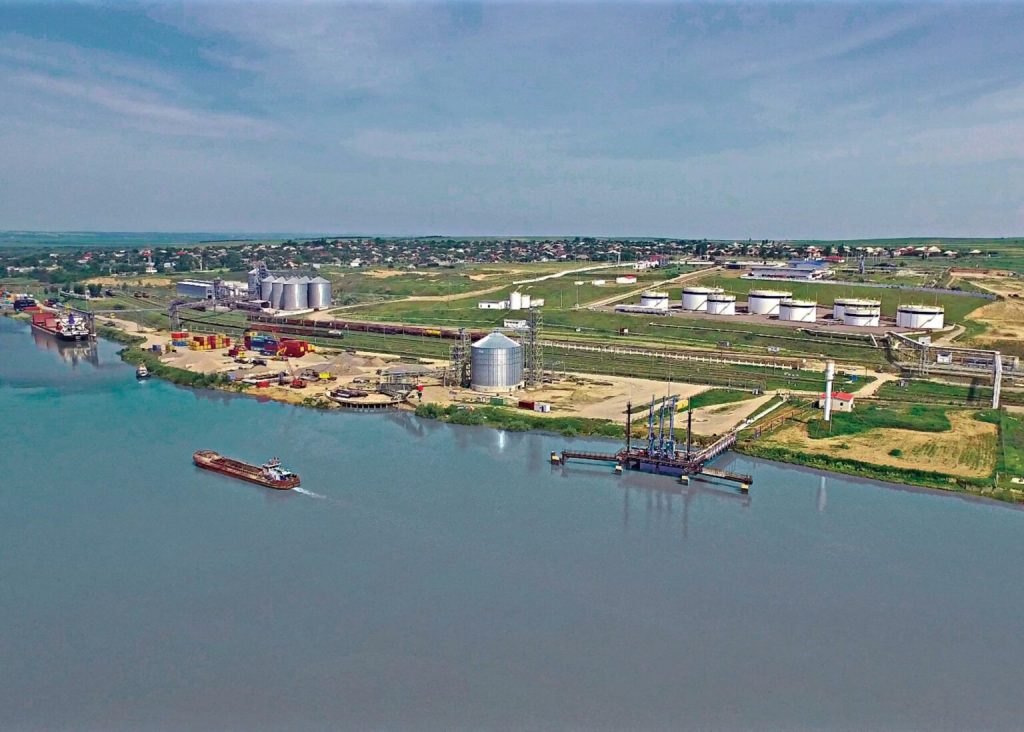

 Bulgaria
 Hungary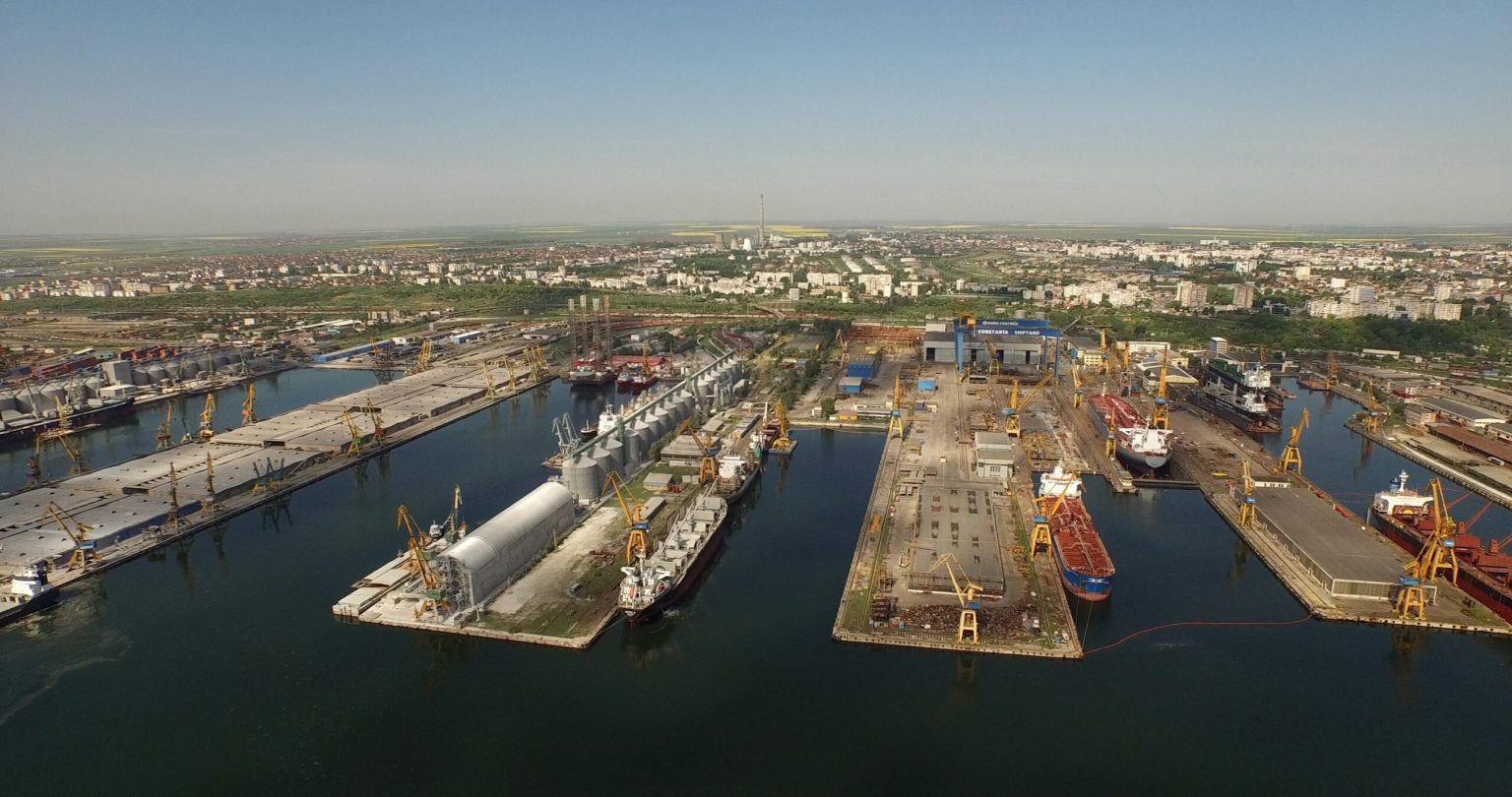
 Romania


 Danube