

Romania upgrades Danube ports of Giurgiu, Galați, Brăila, Tulcea and Sulina
 Romania
30.03.2026
Romania
30.03.2026
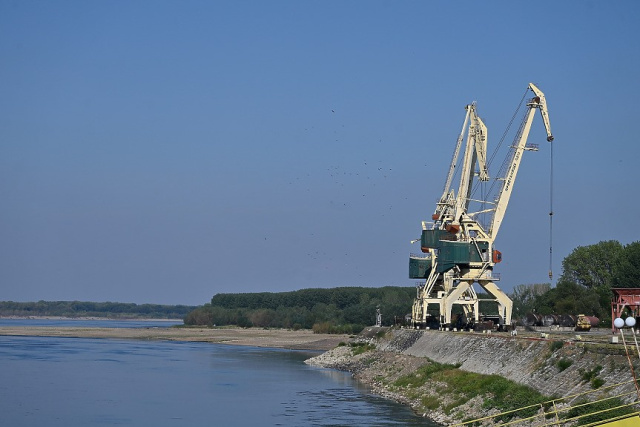
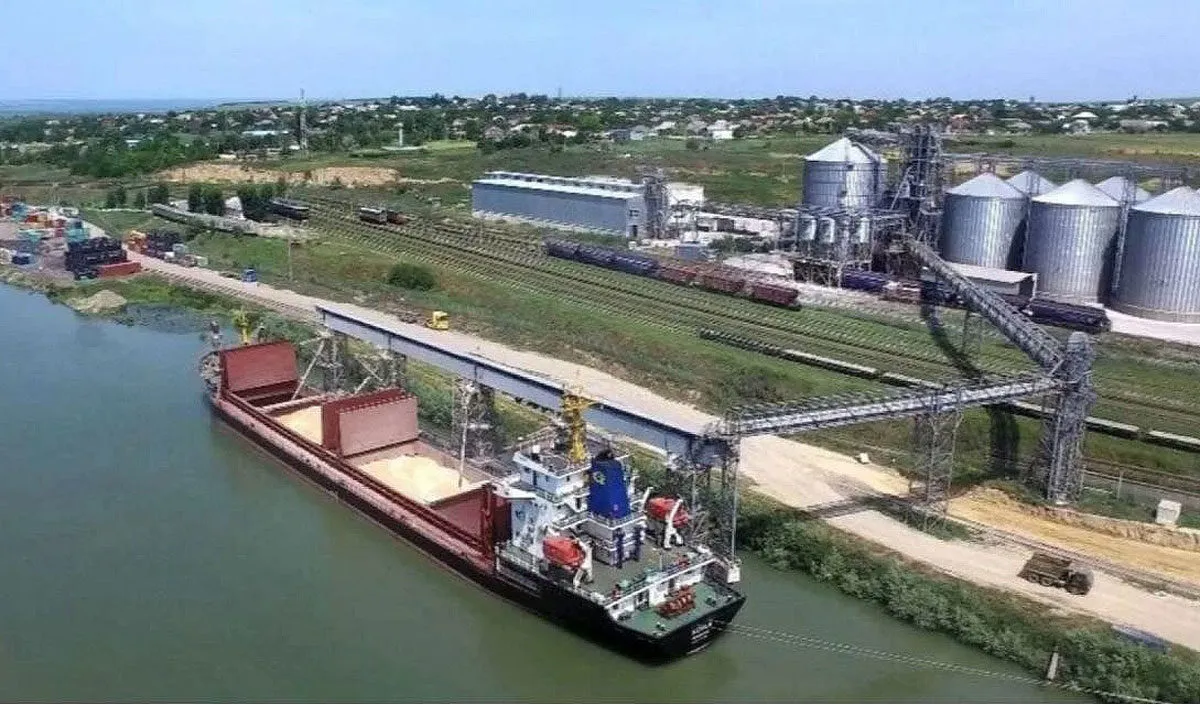
Romania is continuing a large-scale modernization of its Danube ports — Giurgiu, Galați, Brăila, Tulcea and Sulina — with substantial EU funding, even as cargo volumes on the river corridor have recently declined. According to Claudiu Staicu, Deputy Director General for European Transport Programs at Romania’s Ministry of Transport, the issue is not whether the investments were a mistake, but how to assess them in a rapidly changing regional market. In recent months, new quays and port platforms were delivered in Giurgiu, Galați, Brăila and Tulcea, while works in Sulina are nearing completion.
The apparent contradiction between infrastructure expansion and weaker traffic reflects a broader logistical transition in the Danube–Black Sea system. During the peak period of rerouted Ukrainian exports, Romanian Danube ports absorbed extraordinary volumes. However, as maritime access from Ukraine partially recovered, part of the cargo flow shifted back toward Odesa, reducing pressure on Romanian river ports. Staicu argues that this does not invalidate the investments, because the purpose of modernization is not only to capture emergency traffic, but to build long-term transport capacity and resilience.
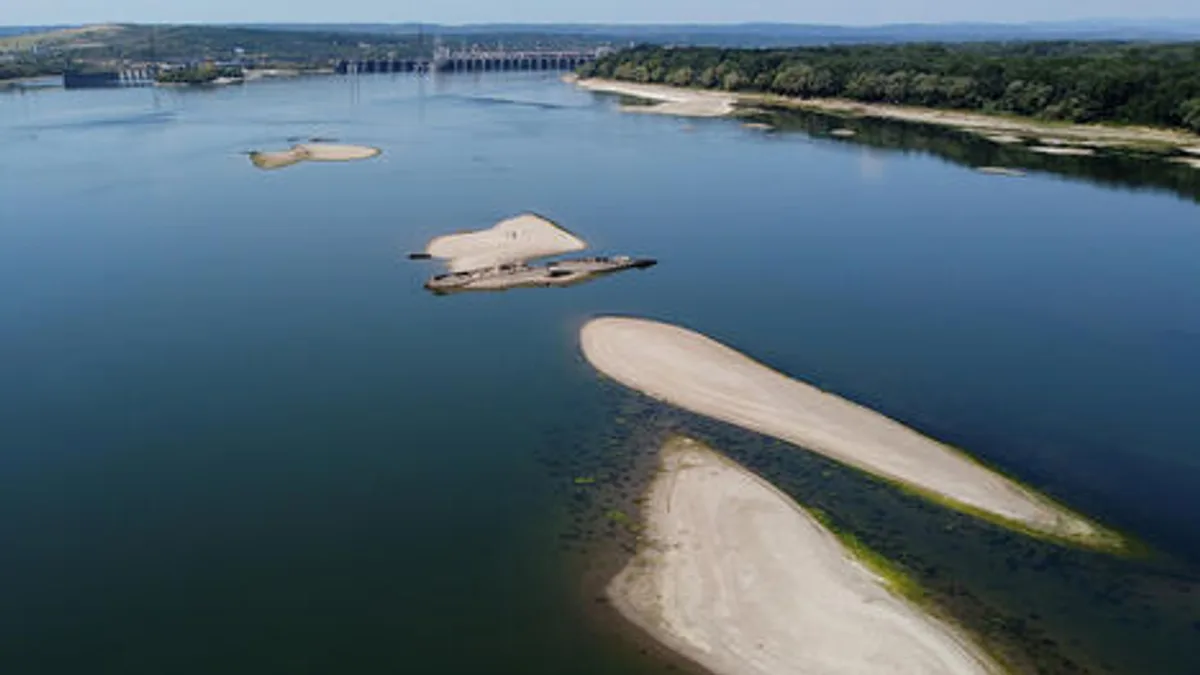
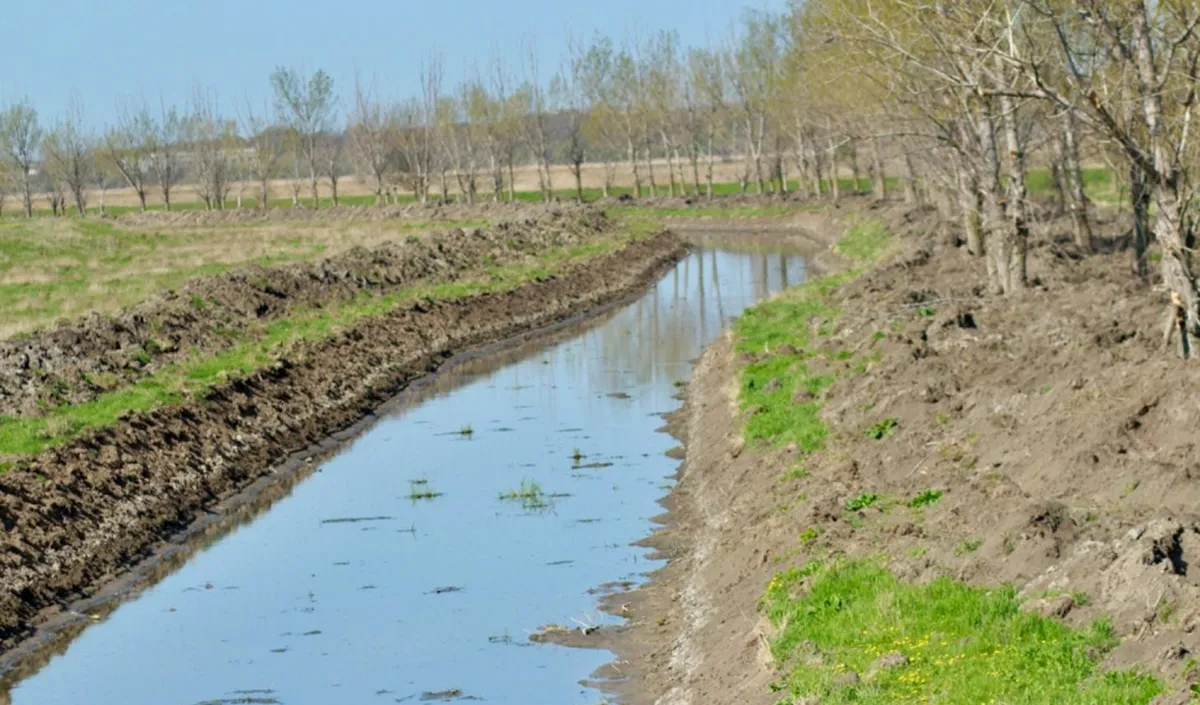
An important part of this broader strategy is the FAST DANUBE 2 project, which aims to improve navigation conditions on the common Romanian-Bulgarian sector of the Danube. Official project materials indicate that the project covers works in 12 critical areas, combined with supervision and environmental monitoring, while Romania announced the launch of procurement under the project in September 2025. Romanian reporting in early 2026 also indicated that two bids had been submitted, with contract signing expected in 2026.
EU-backed modernization is also visible in Galați, where Cohesion Fund projects supported the development of the mineral port and the multimodal platform, both intended to improve operational efficiency and inland connectivity. This shows that the Romanian approach is not limited to berth construction alone, but increasingly links port upgrades with intermodal integration.
Comment by the Institute of Danube Research
Romania’s current policy should be viewed as a strategic infrastructure adjustment rather than a miscalculation. Falling volumes in the short term do not negate the rationale for investment. On the contrary, they show that port modernization must be evaluated over a longer cycle than temporary wartime cargo surges. The real test will be whether Romania can connect upgraded ports with rail access, navigation reliability, dredging capacity, and digital traffic management across the Danube corridor. In that case, Giurgiu, Galați, Brăila, Tulcea and Sulina may strengthen their role not only as reactive transit points, but as stable components of the EU’s logistics architecture in the Lower Danube region. This is an inference based on the documented investments and navigation projects cited above.
 Moldova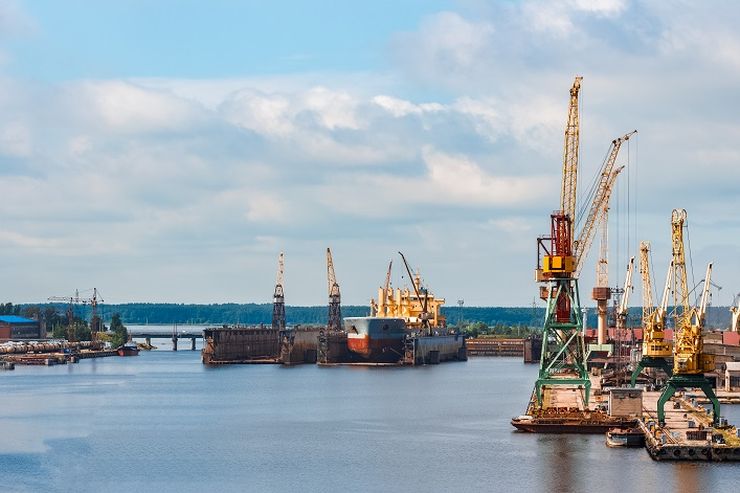
 Ukraine
 Serbia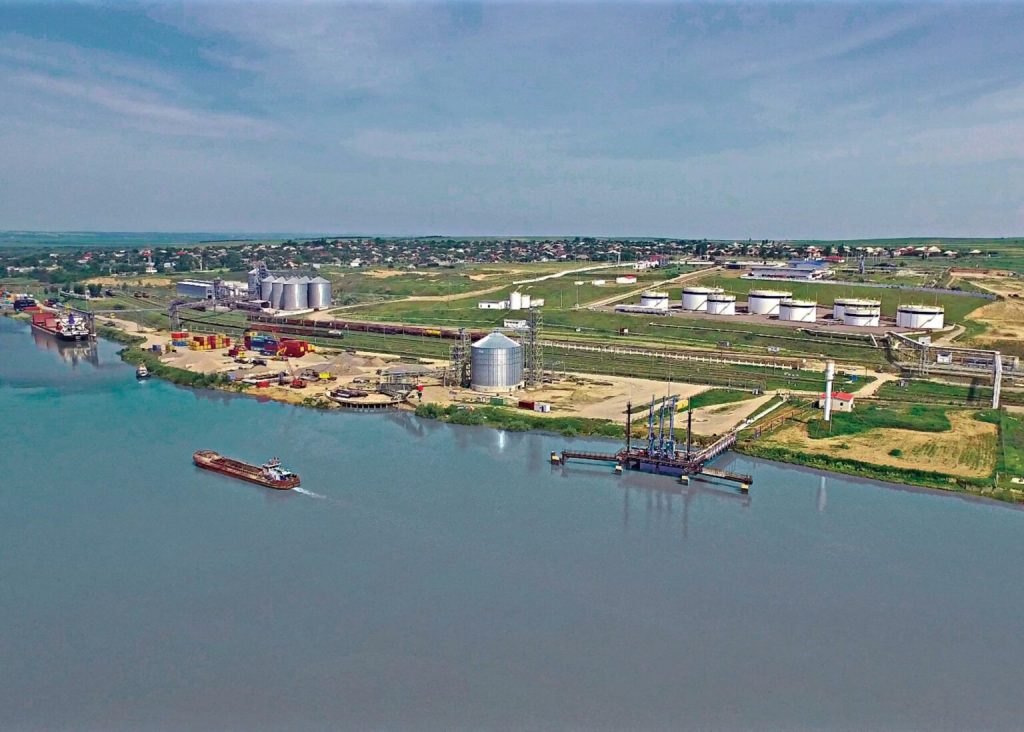

 Bulgaria
 Hungary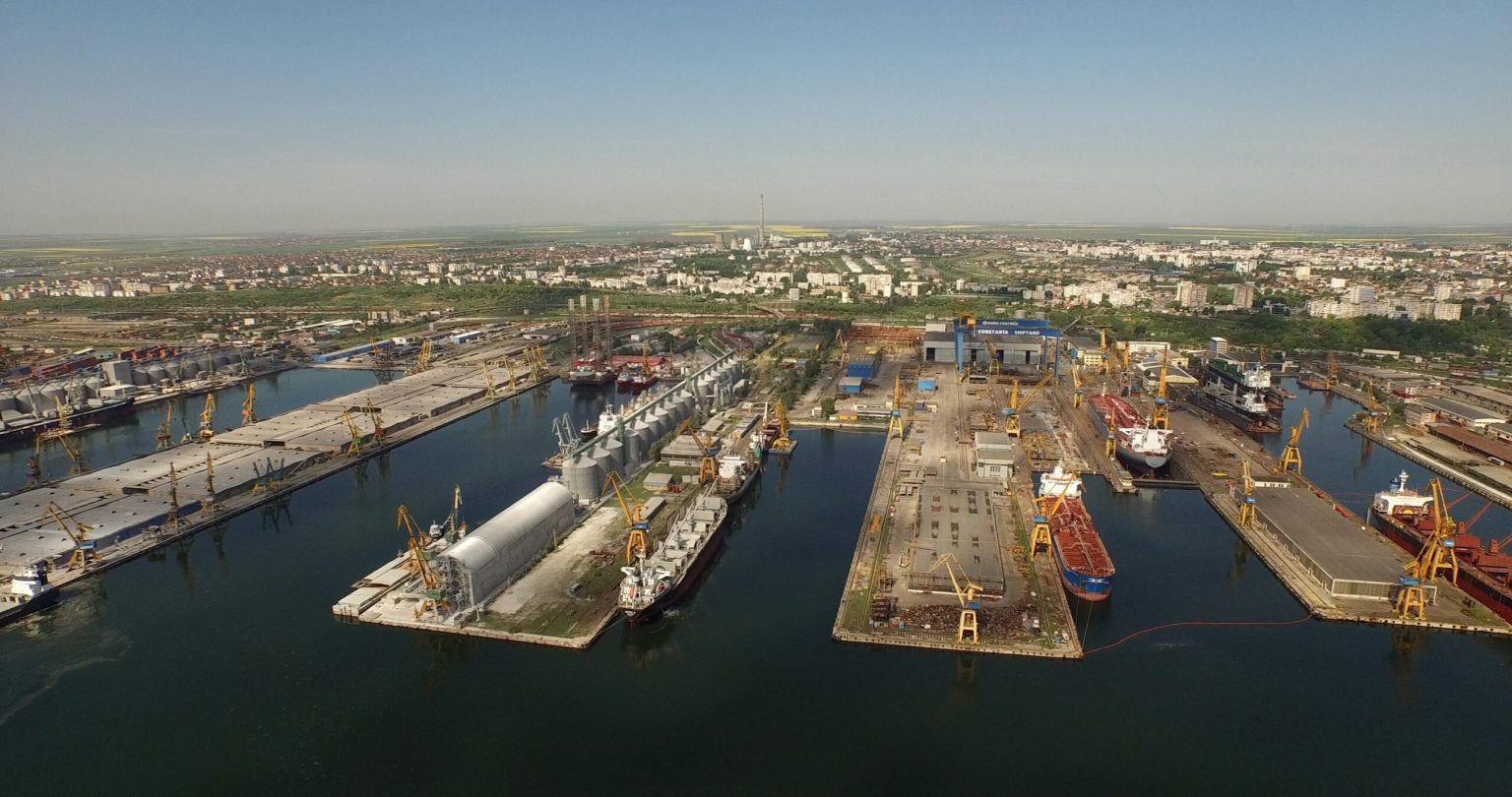


 Danube