

Romania extends fiscal incentives for domestic processing of natural gas
 Romania
12.05.2026
Romania
12.05.2026
Romania is taking another step toward building a full industrial value chain around its own natural gas resources. The Romanian Senate has approved a draft law providing tax incentives for companies in the domestic chemical industry that use natural gas as feedstock. The bill will now move to the Chamber of Deputies for a final vote.
The legislative initiative provides for a five-year exemption from profit tax for Romanian-resident companies investing in chemical industries based on natural gas. It also introduces a tax exemption for reinvested profits in eligible activities for the same period, alongside a mechanism of highly accelerated depreciation for investments in this sector.
Additional incentives concern local taxation. Companies may receive exemptions from building and land taxes for up to five years, subject to approval by local authorities. The draft law also provides exemptions from fees related to changing land use or removing land from agricultural circulation for investment projects.
Politically, the measure reflects a broad consensus in Romania on the need not only to extract natural gas, but also to retain a larger share of its added value within the national economy. The focus is on stimulating the production of fertilizers, chemicals, industrial materials and other high-value goods.
The initiative is particularly significant in the context of Romania’s preparations for gas production from the offshore Neptun Deep project in the Black Sea. Once production starts, expected from 2027, the project could substantially increase Romania’s domestic gas output and strengthen its position as one of the key energy actors in the EU’s Black Sea region.
At the same time, the state-owned company Romgaz is advancing efforts to acquire the fertilizer producer Azomureș, a move supported at the political level as part of a broader strategy to revive Romania’s chemical industry using domestic gas resources.
IDR comment
For the Danube–Black Sea region, this policy has not only energy-related but also industrial and logistical significance. Romania is effectively moving from a model based mainly on extraction, export or transit of energy resources toward a model of domestic industrial processing. This may strengthen the competitiveness of Romanian production clusters, particularly in the agri-chemical, port-logistics and export-oriented sectors.
According to Vitalii Barvinenko, Director of the Institute of Danube Research, Romania’s decision should be viewed not as a narrow tax relief measure for a single sector, but as part of a long-term industrial policy.
“Romania is demonstrating its intention to turn domestic gas resources into an instrument of economic modernization. The logic of this policy is not limited to gas production. It is about creating high-value industrial chains — fertilizers, chemicals, industrial materials and export-oriented products. For Ukraine, this is an important signal: a new form of competition is emerging in the Black Sea–Danube area — not only for energy resources, but also for investment, industrial processing and logistics flows.”
In IDR’s view, this experience is particularly important for Ukraine in the context of post-war industrial recovery, port logistics development and the formation of regional production clusters in the southern regions. The Romanian model shows that energy security is increasingly linked to industrial policy, localization of added value and the state’s ability to create predictable conditions for strategic investors.
 Moldova
 Ukraine

 Serbia

 Bulgaria
 Hungary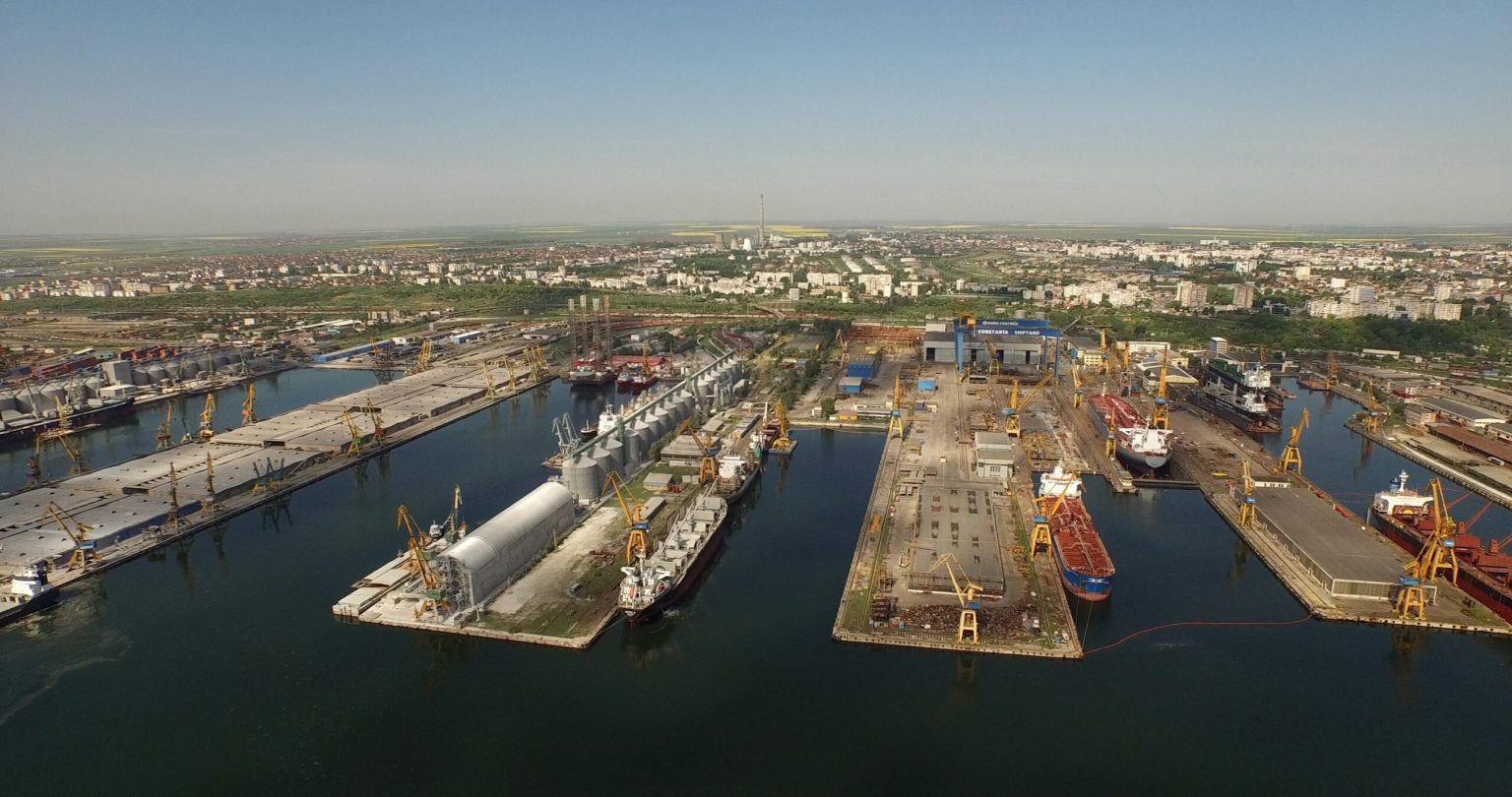



 Danube