

Romania and Austria to deploy around 50 vessels for the construction of the Neptun Deep gas pipeline in the Black Sea
 Romania
06.05.2026
Romania
06.05.2026
Romania’s OMV Petrom and state-owned Romgaz have started construction of the offshore gas pipeline under the Neptun Deep project — one of the largest European Union energy projects in the Black Sea. The project is being implemented on Romania’s continental shelf and has strategic importance for the energy security of Romania, the wider Black Sea region and the European gas market.
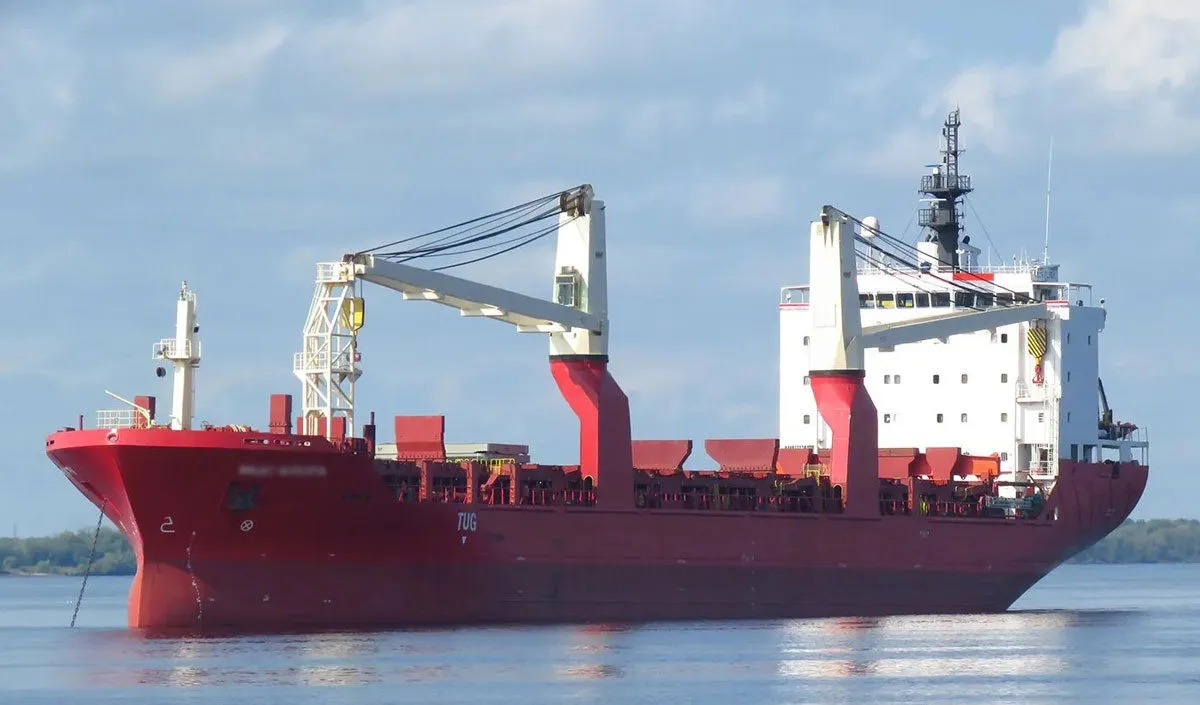
According to OMV Petrom and Romgaz, the project involves laying a 160-kilometre offshore pipeline that will transport natural gas from the future offshore platform to the Romanian coast. There, the gas will be measured and fed into Romania’s national gas transmission system. The first specialised vessel to arrive in Romania for coastal works is the pipe-laying vessel Castoro 10.
The total investment in Neptun Deep is estimated at around EUR 4 billion. After production begins in 2027, the project is expected to provide approximately 8 billion cubic metres of natural gas annually, while total recoverable reserves are estimated at around 100 billion cubic metres. This could effectively double Romania’s gas production and turn the country into a net gas exporter.
Around 50 vessels are expected to be involved in offshore operations, including supply ships, tugboats, barges and specialised pipe-laying units. Up to 10 vessels will be directly engaged in laying the pipeline on the seabed. This scale of maritime operations demonstrates both the technological complexity of the project and its importance for the development of Black Sea offshore infrastructure.
The Neptun Deep project is being implemented at a time when the European Union continues to reduce its dependence on Russian gas and is seeking additional regional sources of supply. In this context, Romania’s Black Sea shelf may become one of the key components of the new energy architecture of South-Eastern Europe.
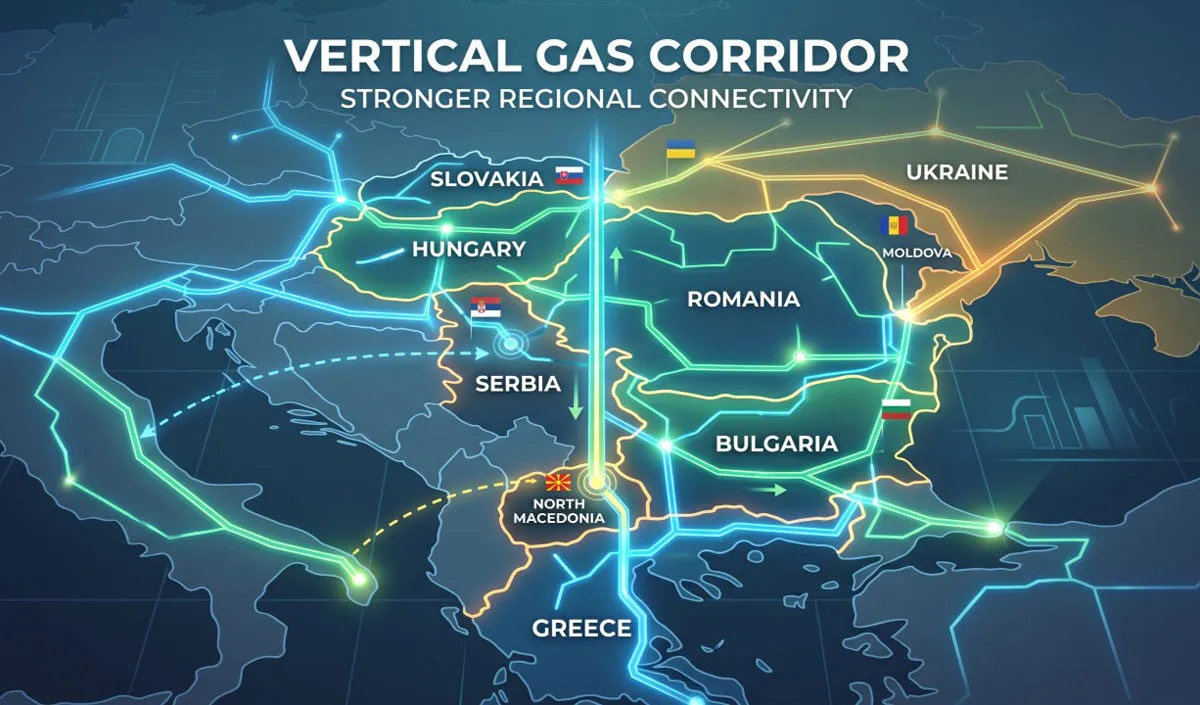
The projected production volumes create conditions not only for meeting Romania’s domestic needs, but also for exporting gas to neighbouring countries and other EU markets. According to Reuters, gas from Neptun Deep could be exported, in particular, to Moldova, Germany and other European countries.
IDR comment
Experts of the Institute of Danube Research believe that the Neptun Deep project has strategic significance for Ukraine. First, it demonstrates that the Black Sea remains not only a space of security risks, but also a zone of long-term energy opportunities. Second, the experience of OMV Petrom may be important for the future development of Ukraine’s own Black Sea offshore areas once the security situation stabilises.
Reuters previously reported that Naftogaz of Ukraine had held preliminary talks with OMV Petrom regarding possible cooperation in the development of a Ukrainian gas discovery in the Black Sea. The Ukrainian offshore direction is currently constrained by wartime risks, but in the strategic perspective it could become an important component of Ukraine’s energy self-sufficiency and regional cooperation with Romania.
According to Vitalii Barvinenko, Director of the Institute of Danube Research, the start of construction of the Neptun Deep gas pipeline goes beyond the purely Romanian energy agenda.
“The Neptun Deep project shows that the Black Sea region is gradually forming a new energy configuration. For Romania, this is an opportunity to become a net gas exporter, while for the wider region it is a chance to strengthen energy resilience and reduce dependence on unstable sources of supply,” Vitalii Barvinenko noted.
He emphasised that Ukraine should carefully analyse not only the technological, but also the governance model of such a project.
“Ukraine needs its own long-term approach to the Black Sea shelf. The experience of OMV Petrom and Romgaz may be useful in terms of partnership between the state, national companies, international investors and technological operators. After the end of the war, such models could become a basis for restoring Ukraine’s energy potential in the maritime direction,” the Director of IDR added.
The Institute of Danube Research believes that Neptun Deep should be viewed as part of a broader process — the strengthening of the Black Sea–Danube area in Europe’s energy, transport and security policy. For Ukraine, this means the need to synchronise its own policy in offshore gas production, gas transmission infrastructure, port logistics and regional cooperation with Romania, Moldova and other EU partners.
 Moldova
 Ukraine
 Serbia
 Bulgaria
 Hungary


 Danube