

NIBULON invested more than $80 million in Ukraine’s economy: the company’s logistics transformation strengthens national export resilience
 Ukraine
14.05.2026
Ukraine
14.05.2026
The agricultural holding NIBULON has invested more than $80 million in Ukraine’s economy over the past four years, including $45.4 million directed towards logistics development. According to the company, this is one of the highest investment figures among Ukrainian agricultural holdings during the period of the full-scale war.
The company was included in the ranking of Ukraine’s largest wartime investors among private companies operating on the national market. NIBULON’s investment strategy covered several key areas of business transformation: agricultural production, logistics, elevator infrastructure, automation, IT solutions and information security.
Over the past four years, the agricultural holding invested:
$22.5 million in agricultural production, including machinery renewal, digitalization and productivity improvement;
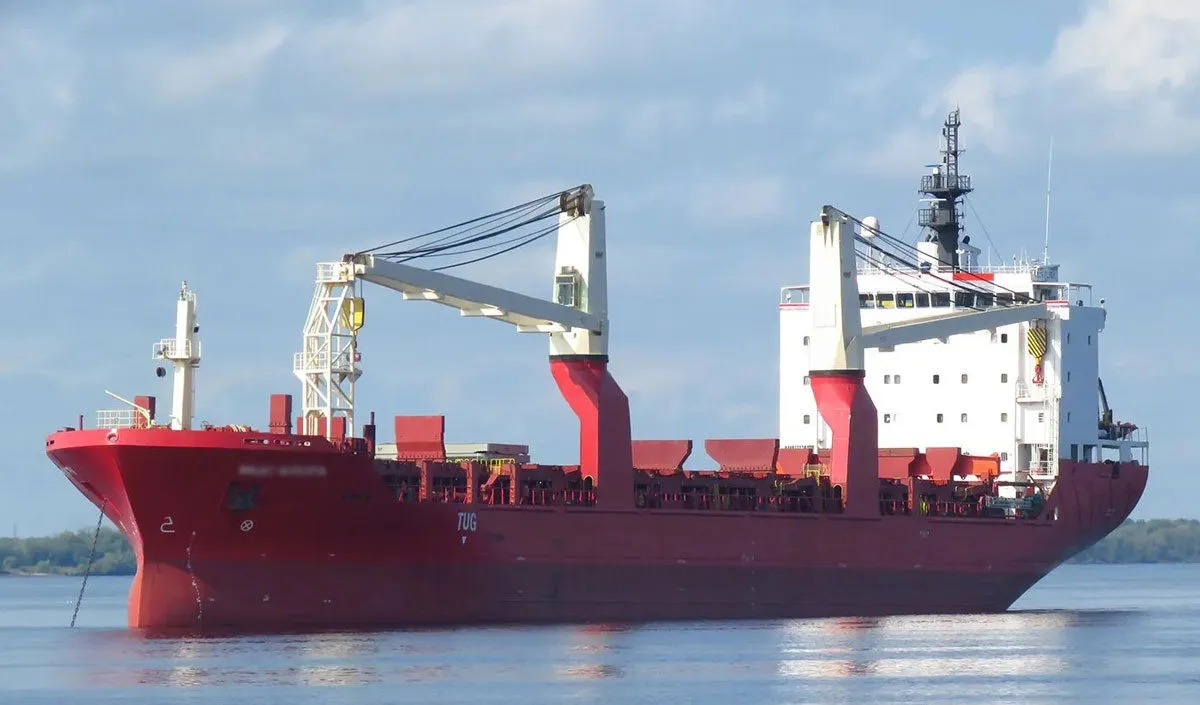
$45.4 million in logistics, including the restructuring of export architecture, the creation of the Bessarabska branch, modernization of the transport fleet and partial restoration of fleet operations;
$7.6 million in the elevator segment, including infrastructure modernization, laboratory equipment and process automation;
$10 million in automation projects, IT infrastructure, information security and the development of new services.
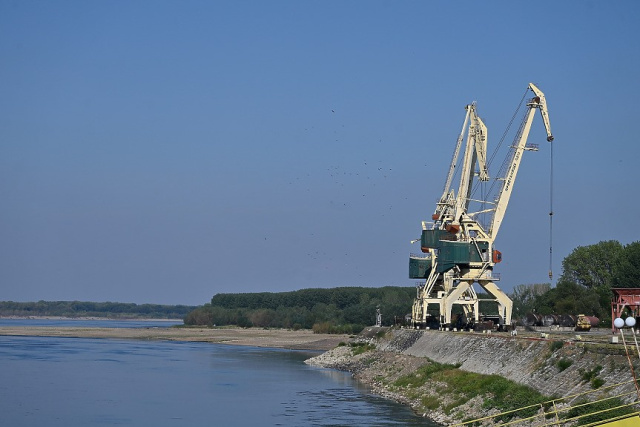
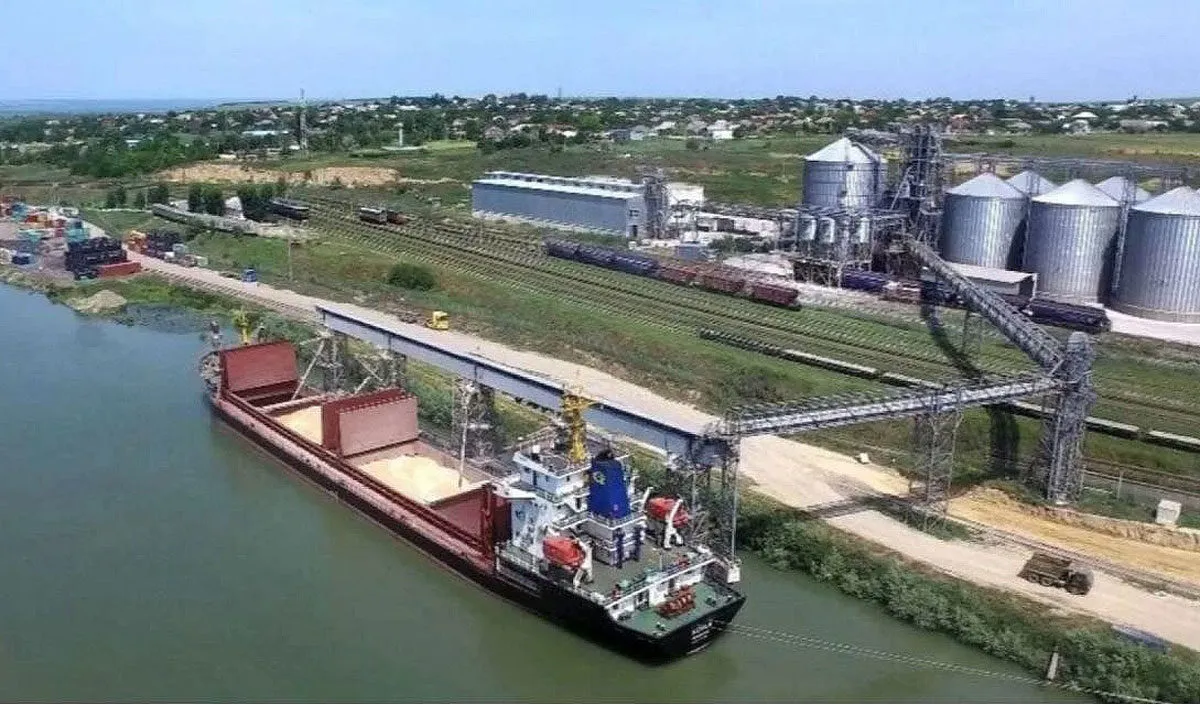
The logistics component is of particular importance. After the disruption of traditional maritime routes and the destruction of part of Ukraine’s transport architecture, NIBULON had to rebuild its export model by strengthening alternative routes, including through southern Odesa Oblast and the Danube direction. The Bessarabska branch functions as a logistics hub in southern Odesa Oblast, providing transshipment and transportation services for various types of cargo, with a focus on the development of Danube logistics and interaction with the countries of the Balkan region.
A separate strategic stage for the company is the development of maritime demining in cooperation with DEG. This includes clearing areas of the Black Sea and inland waterways, creating sustainable maritime demining infrastructure, establishing a specialized service centre and training around 60 specialists.
IDR comment
The Institute of Danube Research notes that NIBULON’s investments should be viewed not only as a corporate anti-crisis strategy, but also as part of the broader transformation of Ukraine’s export logistics under wartime conditions. More than $45 million invested in logistics shows that for agricultural exports today, the critical factor is not only the production of grain or oilseeds, but also the ability to quickly restructure routes, work with alternative ports, railways, road transport and inland waterways.
For the Ukrainian Danube region, this process is especially important. Since 2022, the Danube direction has become one of the key compensatory channels for Ukrainian agricultural exports. The development of the Bessarabska branch, modernization of the transport fleet and partial restoration of fleet operations demonstrate that business is adapting to a new geography of trade, in which Odesa Oblast, the Danube ports and border infrastructure with Romania and Moldova are acquiring a systemic role.
According to IDR experts, such investments strengthen not only an individual company, but also the institutional resilience of Ukrainian exports. Under wartime risks, private logistics solutions are effectively becoming part of national economic security: they support foreign currency revenues, employment, the agricultural sector and Ukraine’s ability to remain an important participant in global food markets.
The maritime demining component deserves separate attention. For Ukraine, this is not only a humanitarian or security task, but also a prerequisite for the full recovery of the maritime and river economy. Clearing the Black Sea and inland waterways is directly linked to safe navigation, exports, port operations, the recovery of coastal communities and the return of investment to the southern regions.
IDR emphasizes that NIBULON’s experience demonstrates an important trend: Ukrainian logistics is moving from a model dependent on several large seaports towards a more flexible, multi-channel system. In such a system, the Danube, the Black Sea, railway crossings, border points with Romania and Moldova, as well as future demining infrastructure, should be considered interconnected elements of a single export framework.
For public policy, this means the need to synchronize private investment with the development of port infrastructure, border crossings, customs digitalization, security procedures and international financing. Only such coordination will allow Ukraine to transform wartime logistics adaptation into a long-term competitive advantage in the Black Sea–Danube region.
 Moldova
 Serbia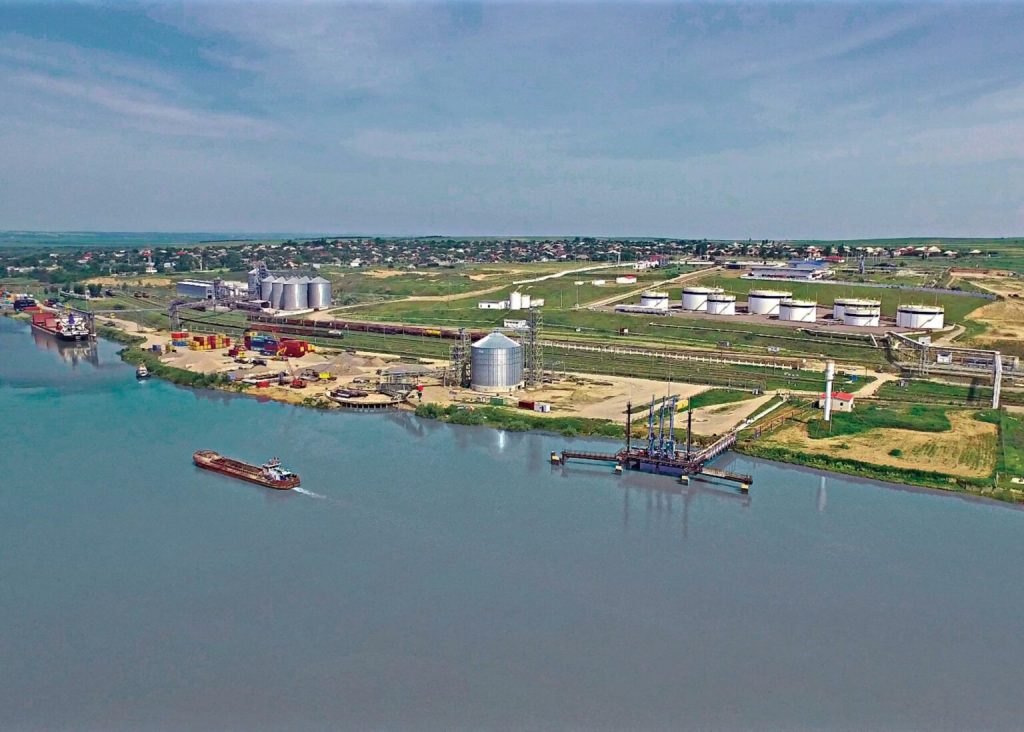
 Bulgaria
 Hungary
 Romania


 Danube