

Moldova Seeks Solutions to Speed Up Danube Shipping and Agricultural Road Transport
 Moldova
15.09.2026
Moldova
15.09.2026
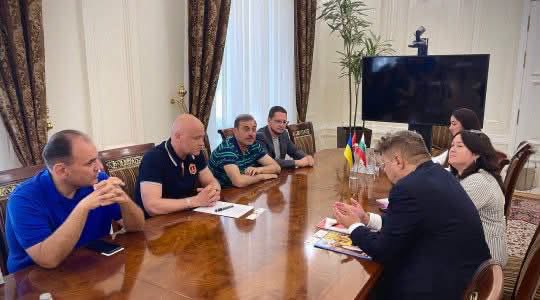
Moldova’s agribusiness sector is awaiting practical government decisions aimed at accelerating freight traffic on the Danube and reducing truck queues at border crossings with Romania. The issues were discussed on 14 September during meetings between the leadership of Moldova’s Ministry of Agriculture and Food Industry (MAIA), the Ministry of Infrastructure and Regional Development (MIDR), and operators from the grain sector.
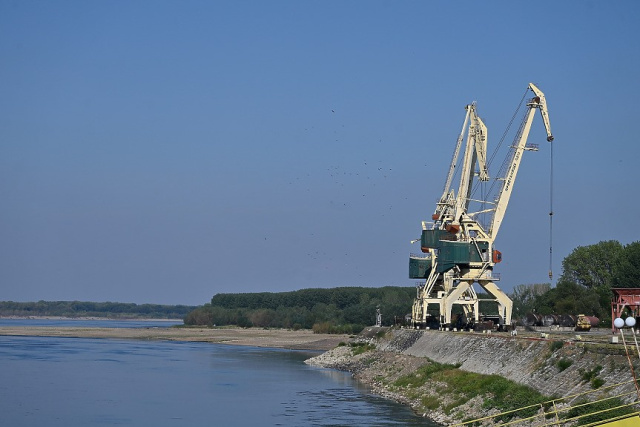
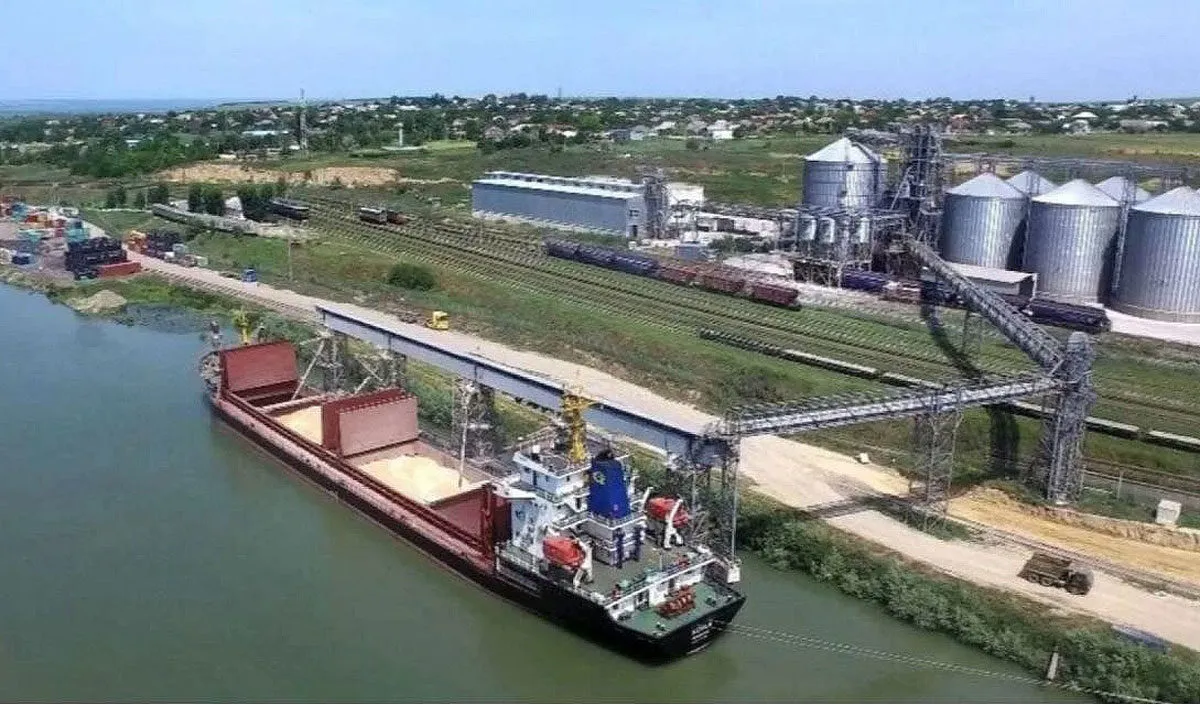
The most acute problem remains navigation on the Danube. The Giurgiulești International Free Port, Moldova’s only direct access point to international maritime routes, depends to a significant extent on the capacity of Romania’s Sulina Canal.
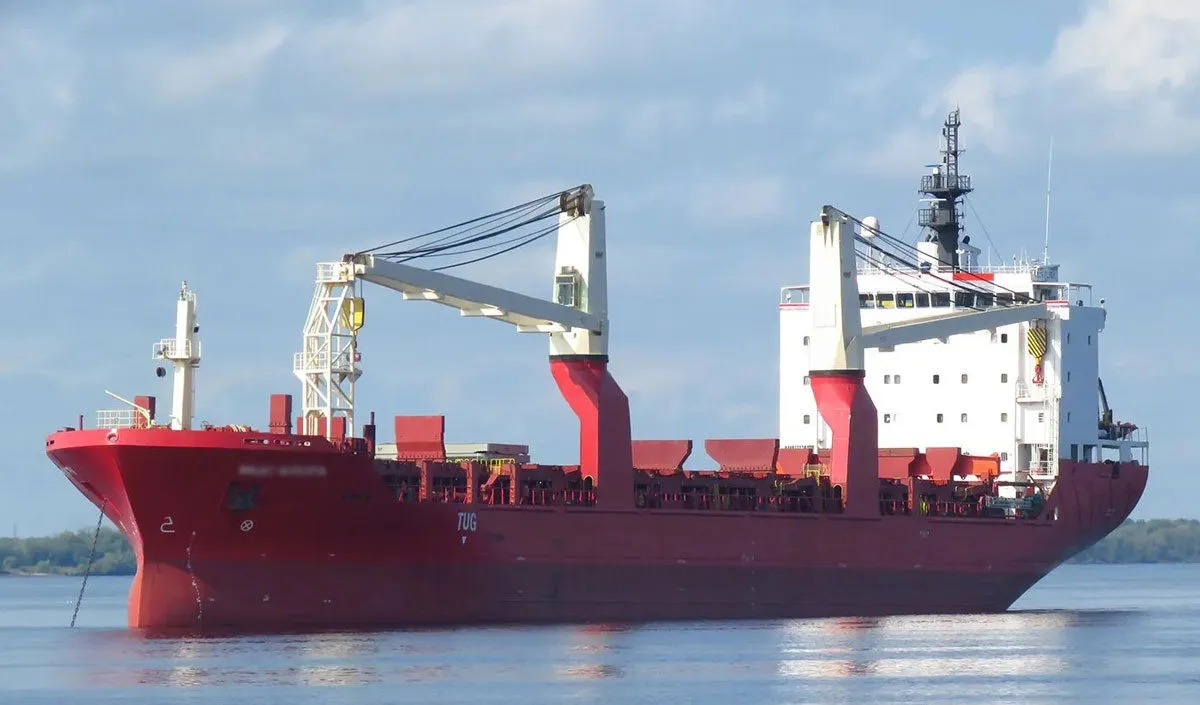
According to business representatives, around 5–8 vessels per day are currently waiting in the Reni–Giurgiulești area, while delays along the route can exceed 15 days.
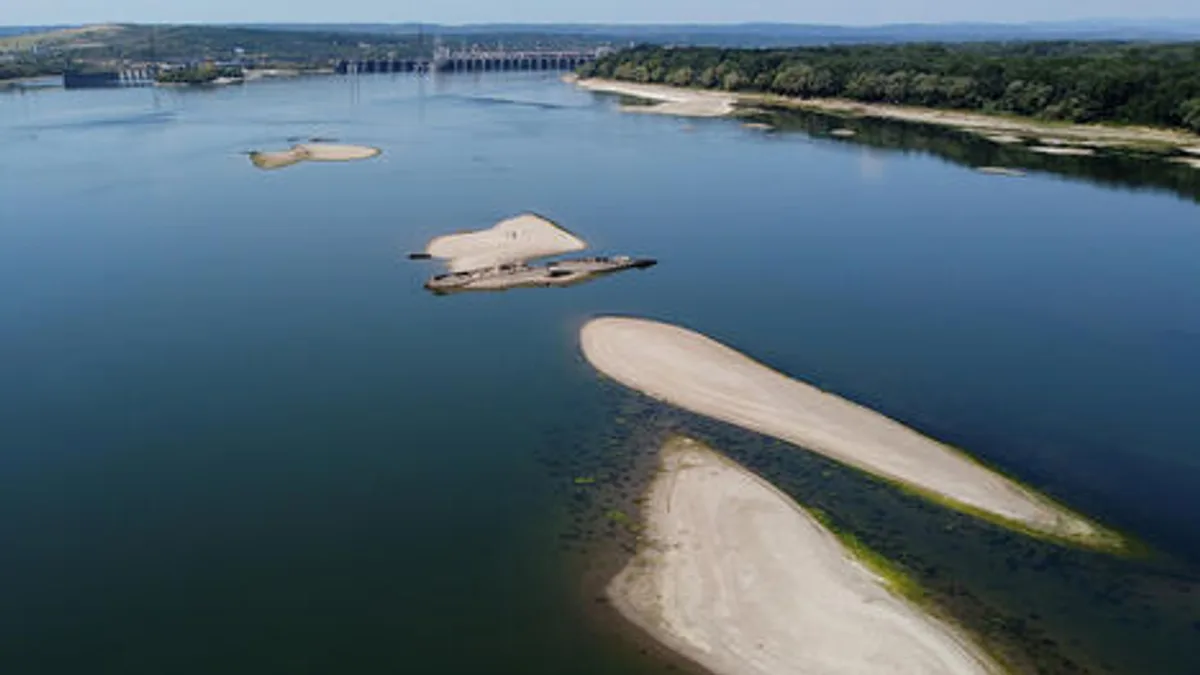
Draft restrictions constitute an additional problem. Market participants report that the actual permitted draft is around 5.5–6.5 metres, compared with a nominal 7.2 metres. As a result, some vessels cannot be fully loaded, additional voyages are required, and exporters face higher transport costs.
Offshore transshipment as a possible solution
Representatives of the grain and logistics sectors have proposed allowing offshore transshipment operations — loading cargo onto vessels at anchorage without the direct use of a berth.
According to business estimates, such a mechanism could reduce vessel queues near Giurgiulești and create additional handling capacity of approximately 20,000–50,000 tonnes per operational cycle.
A request to organise such operations in the Giurgiulești–Reni–Galați area has already been submitted. Its implementation requires coordination at the international level, including with the European Commission.
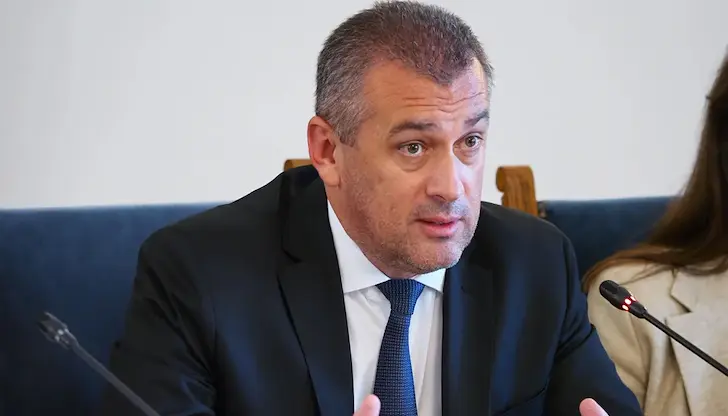
On 15 September, Moldova’s Deputy Prime Minister and Minister of Infrastructure and Regional Development, Vladimir Bolea, is expected to discuss the optimisation of Danube navigation with a representative of the European Commission.
Truck congestion near Giurgiulești
In parallel, the Moldovan authorities are working to address problems affecting road transport of agricultural products.
On 16 September, Minister of Agriculture and Food Industry Eugeniu Osmokescu, together with senior police officials, is expected to visit Giurgiulești to assess the possibility of quickly restoring a traffic-management system on the approximately two-kilometre section of the Reni–Giurgiulești road linking the port with the customs checkpoint.
The agribusiness sector has proposed two regulatory mechanisms.
The first involves advance notification of the border police regarding vehicles holding authorised economic operator status, potentially allowing their movement to the customs zone to be organised more efficiently.
The second is the restoration of the previous mechanism for alternating the passage of Moldovan and Ukrainian freight vehicles, which is intended to ensure a more predictable distribution of traffic on the congested section.
Comment by the Institute of Danube Research
The Institute of Danube Research notes that the situation around Giurgiulești demonstrates the systemic nature of capacity constraints across the entire Lower Danube transport hub. Reni, Giurgiulești, Galați and the Sulina Canal now operate as interconnected elements of a single logistics corridor, meaning that delays at one point quickly affect other sections of the system.
Offshore transshipment could partially increase the effective capacity of Giurgiulești and reduce dependence on the limited number of berths. However, this mechanism alone cannot resolve prolonged delays in transiting the Sulina Canal. It requires coordinated rules on navigation safety, pilotage, customs and border control, as well as cooperation between Moldova, Romania and Ukraine.
A similar approach is required for road transport. Simply accelerating truck traffic at one section may only shift the queue further along the route. Advance notification systems, electronic queue management and coordinated alternating passage for Ukrainian and Moldovan carriers should therefore operate as part of a single mechanism.
For Ukraine, this discussion is of direct importance. Reni and Izmail use the same Lower Danube infrastructure and are largely exposed to the same navigation constraints as Giurgiulești. Increasing capacity should therefore be achieved not through competition among three countries for a limited resource, but through joint management of the Ukraine–Moldova–Romania corridor.
In the longer term, the Reni–Giurgiulești–Galați area should be treated as a single multimodal logistics hub with synchronised navigation, road, rail, border and customs procedures. Such an approach could not only reduce current congestion but also strengthen the resilience of the entire Danube transport corridor.
 Ukraine
 Serbia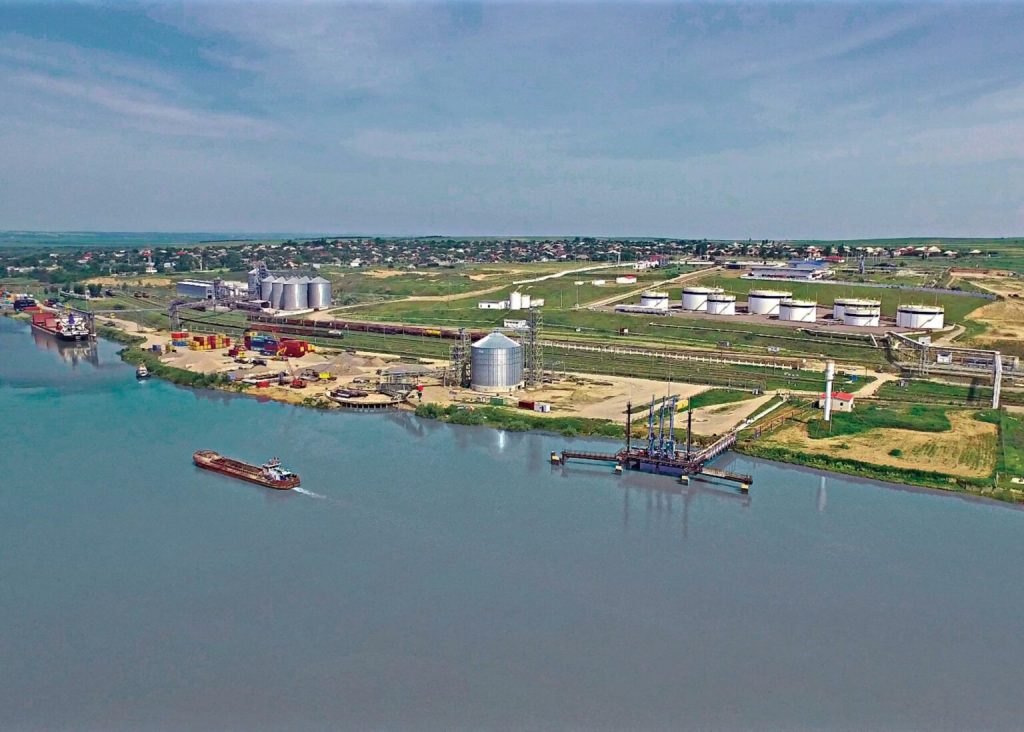
 Bulgaria
 Hungary
 Romania

 Danube