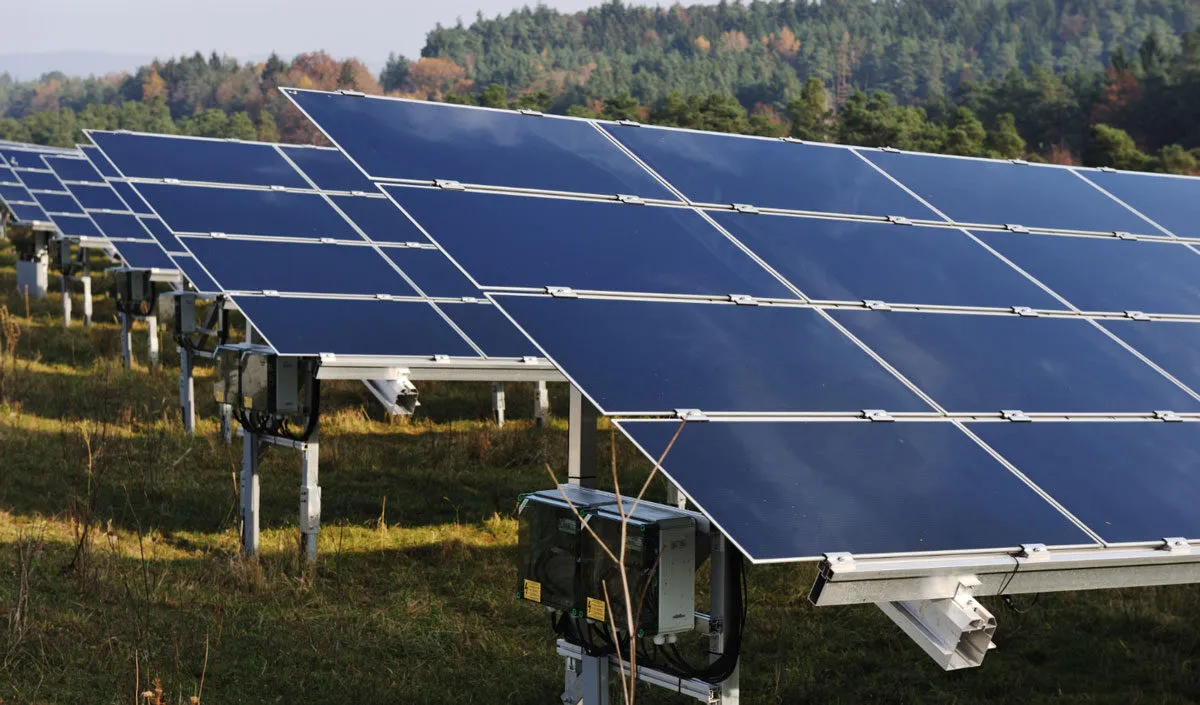


Moldova expands meteorological station network with support from the UN and donor countries
 Moldova
01.04.2026
Moldova
01.04.2026
The Republic of Moldova continues to modernize its national meteorological, hydrological, and agrometeorological monitoring system in order to strengthen the resilience of the population and the agricultural sector to extreme weather events. Within an initiative coordinated by UNDP in Moldova with the support of Japan, Sweden, and Austria, 42 modern stations will operate across 17 districts of the country and in the Autonomous Territorial Unit of Gagauzia, providing real-time accurate data to communities and farmers.
The total investment in the project exceeds USD 476,000. The new system makes it possible to issue early warnings on droughts, frosts, heavy rainfall, and floods, especially in the northern and southern parts of the country. All equipment has been transferred to the management of the State Hydrometeorological Service of the Republic of Moldova.
The need to strengthen this monitoring infrastructure is linked to the growing climate risks facing Moldovan agriculture. In recent years, droughts, late spring frosts, storms, and other abnormal weather events have become more frequent, causing significant losses to producers. Southern Moldova is particularly vulnerable, as it is increasingly acquiring the characteristics of an area of extremely high-risk agriculture. Under such conditions, every agricultural season is accompanied by a high level of uncertainty regarding yields, investments, and the incomes of the rural population.
Precisely in order to improve forecasting accuracy and ensure timely response, UNDP in Moldova, with financial support from the Government of Japan, installed 14 automated agrometeorological stations in the central and southern parts of the country.
The contributions of international partners were distributed according to a geographic principle. With support from Sweden, six automatic hydrological stations were modernized in the Dniester basin — in Unguri (Ocnița district), Sănătăuca (Florești district), Răscăieți (Ștefan Vodă district), as well as in Criuleni, Soroca, and Vadul lui Vodă. These stations will provide continuous monitoring of the country’s main water artery.
Japan financed the installation of five additional hydrological stations in southern Moldova — in Giurgiulești, Pelinia, Ceadîr-Lunga, Cahul, and Basarabeasca. Austria, for its part, supported the deployment of five hydrological stations in the areas of the country’s secondary watercourses. By the end of 2026, such stations are to be installed in Copceac, Soloneț, Bîc, Lăpușna, and Ialpug.
In addition, 12 mini weather stations of local municipal significance have already been installed in Moldova with financial support from Austria and Japan. They are intended to improve the quality of local-level forecasts and strengthen the capacity of communities to respond to climate risks.
Comment by the Institute of Danube Research
The expansion of the meteorological and hydrological monitoring network in Moldova is a telling example of how international technical assistance can be transformed into a practical instrument of climate adaptation. This is not only about modernizing observation infrastructure, but also about creating the basis for better water resource management, agricultural risk management, and civil protection systems.
According to Vitaliy Barvinenko, Director of the Institute of Danube Research, this development is of considerable importance for the Lower Danube region and the adjacent territories of the Dniester basin.
“Improving the accuracy of local forecasting, ensuring timely warnings of hazardous phenomena, and accumulating reliable hydrometeorological data create the preconditions for more coordinated cross-border cooperation in the field of climate security,” V. Barvinenko noted.
IDR experts also emphasized that, amid the growing frequency of droughts, floods, and weather anomalies, such systems are becoming an element of the strategic resilience of both the state and the wider region.
 Ukraine

 Serbia
 Bulgaria
 Hungary
 Romania


 Danube