

Moldova and Ukraine Postpone Decision on Water Releases into the Dniester
 Ukraine
15.09.2026
Ukraine
15.09.2026
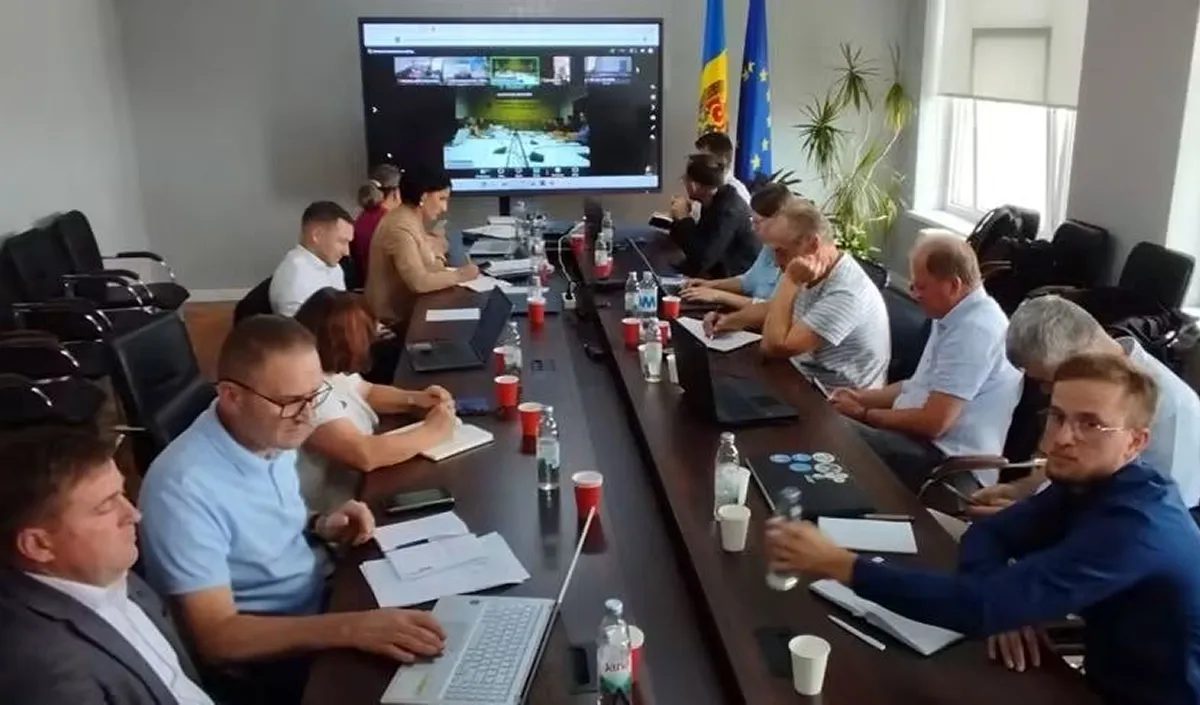
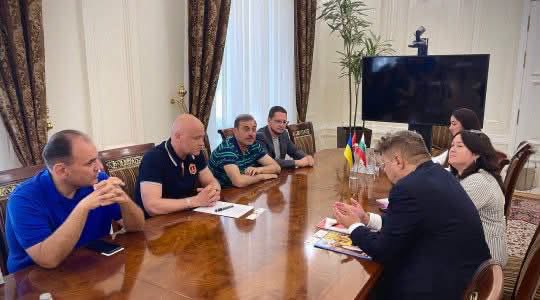
At an extraordinary meeting of the Moldovan-Ukrainian Commission on the Sustainable Use and Protection of the Dniester River Basin, held on 14 September, the parties failed to agree on a new regime for water releases from the Dniester Reservoir. The decision was postponed for two to three days to allow additional consultations at the national level.
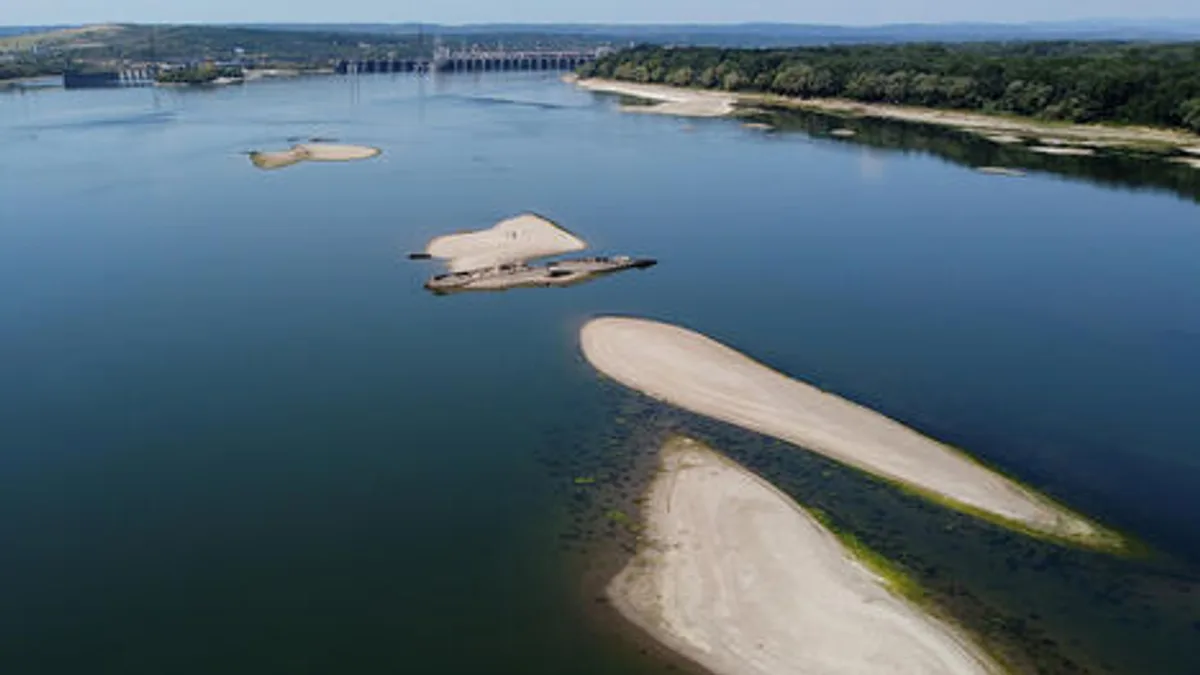
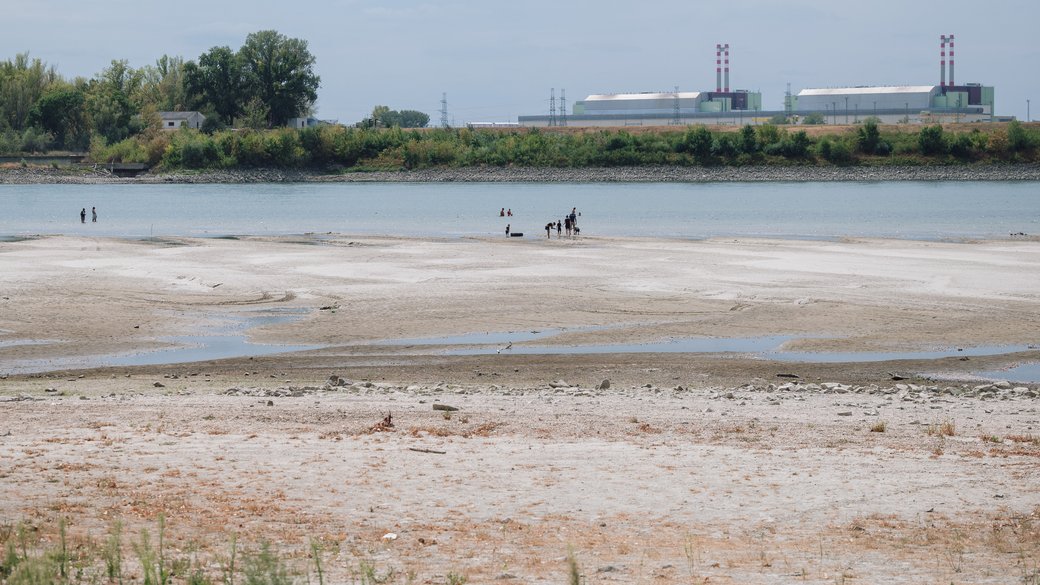
According to Ilya Trombitsky, Executive Director of the Eco-TIRAS International Association of River Keepers, both countries acknowledged a critical decline in the Dniester’s water availability on both sides of the border. The decrease in river flow and water levels has already affected not only aquatic ecosystems but also water levels in wells situated near the river.
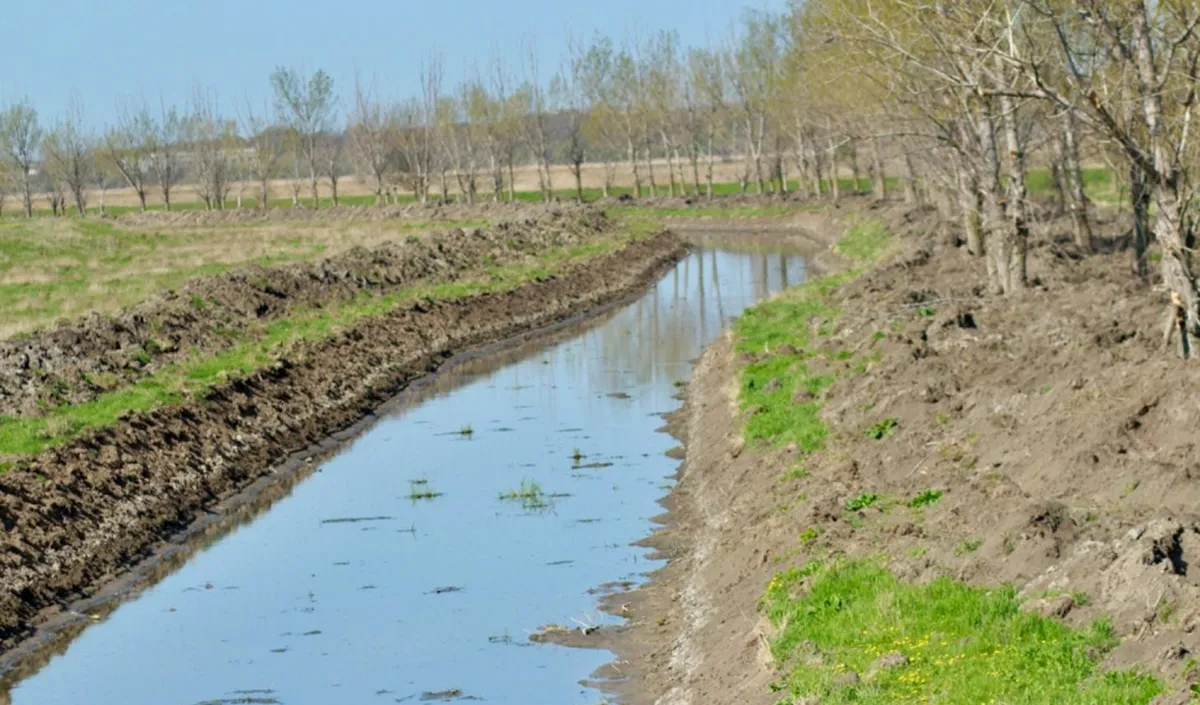
The situation is particularly serious in the Lower Dniester. According to the environmental expert, the river ecosystem is increasingly undergoing limnification—the gradual transformation of a flowing river into a lake-like, slow-moving and vegetation-dominated water body. This process worsens oxygen and hydrological conditions, alters aquatic habitats and creates a risk of losing certain fish species.
Two principal scenarios were considered during the meeting: reducing releases from the Dniester Reservoir to 20 cubic metres per second or maintaining them at approximately 50 cubic metres per second. According to Trombitsky, the first option is supported by Ukrainian hydropower interests. However, an almost threefold reduction from the current discharge rate could substantially accelerate degradation processes in the Lower Dniester. At the same time, even a flow of 50 cubic metres per second is considered insufficient to ensure the stable functioning of the river ecosystem.
The Moldovan delegation proposed postponing the final decision to conduct further consultations, and the Ukrainian delegation accepted the proposal.
Comment by the Institute of Danube Research
The current situation indicates that the Dniester Basin is moving from seasonal low-water conditions towards a systemic water crisis, in which the needs of communities, the energy sector and natural ecosystems are becoming increasingly difficult to meet simultaneously. However, environmental flow cannot be treated merely as the volume of water remaining after economic demands have been satisfied.
Reducing releases to 20 cubic metres per second could have cascading consequences for the Lower Dniester, including further slowing of the current, deterioration of water quality, oxygen depletion, accelerated vegetation growth and the loss of spawning grounds. In the longer term, these processes would threaten not only biodiversity but also drinking water supplies, fisheries and the sanitary condition of the river.
Ukraine and Moldova therefore need to agree not on a temporary compromise alone, but on a joint emergency protocol for managing the Dniester’s flow. Such a mechanism should establish a minimum environmentally acceptable discharge, real-time hydrological data exchange, clearly defined threshold indicators and periodic revision of reservoir operating regimes according to actual water availability. During a prolonged drought, preserving the Dniester ecosystem must be treated as an integral component of the water security of both countries rather than as a secondary restriction.
 Moldova
 Serbia
 Bulgaria
 Hungary
 Romania
 Danube