

Modern System to Monitor Danube Pollution from Ships: Bulgaria and Romania Launch DANRISS 2
 Romania
24.03.2026
Romania
24.03.2026
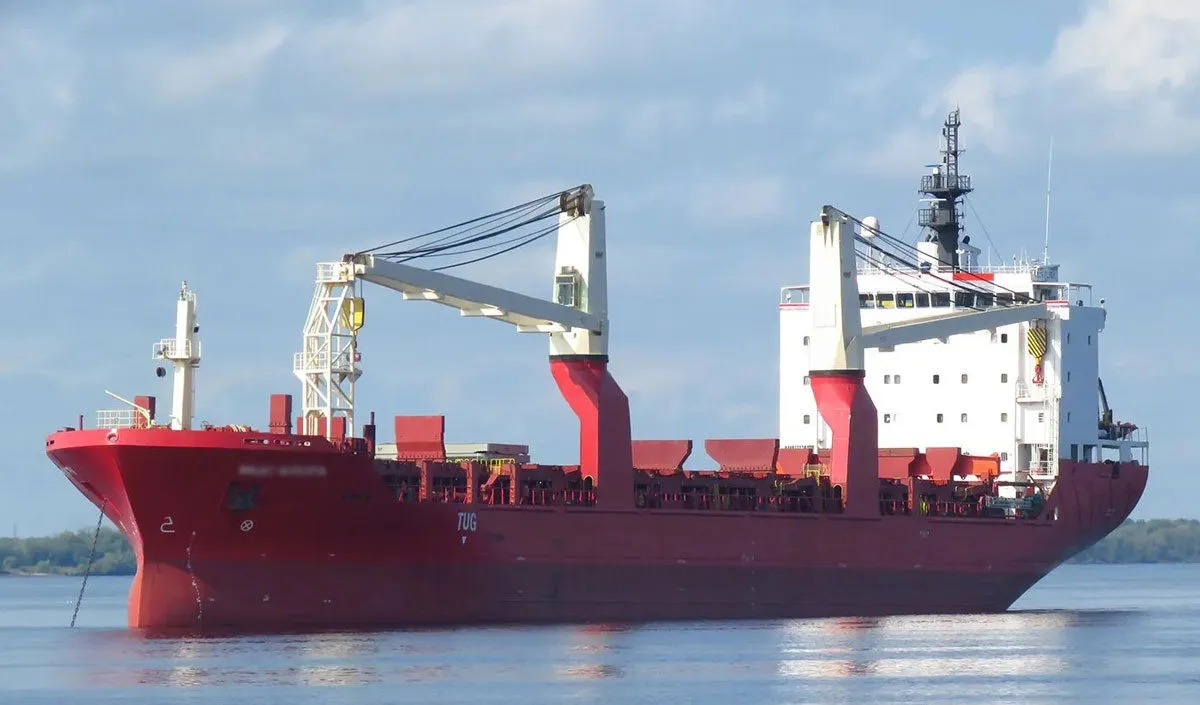
A new cross-border project, DANRISS 2, is being prepared for implementation on the Bulgarian-Romanian section of the Danube, aimed at strengthening ship inspections, digital monitoring of river traffic, and detection of water pollution caused by navigation. The initiative will be implemented by Bulgaria’s Executive Agency “Maritime Administration” in partnership with the Romanian Naval Authority, with total investment of nearly EUR 4 million under the Interreg VI-A Romania-Bulgaria Programme.
The project envisages the creation of a modern integrated system combining IT tools, sensors, server infrastructure, and artificial intelligence solutions for enhanced monitoring of shipping activity and river pollution. It also includes the modernization of the existing DANRiSS system into a smart platform designed to improve the efficiency, transparency, and consistency of vessel technical inspections while reducing duplication of control activities by the two administrations.
Under DANRISS 2, the Bulgarian side will deploy key hardware components and servers along its Danube section, receive new mobile devices and communication tools for inspections, and establish a mobile inspection unit equipped with tablets, mobile printers, and an off-road vehicle. In addition to the technical component, the project includes joint training activities and harmonization of inspection practices with the Romanian side.
The project is linked to the implementation of Directive (EU) 2016/1629, which lays down technical requirements for inland waterway vessels and provides a harmonized framework for inspections and certification across EU inland waterways.
Comment by the Institute of Danube Research
The launch of DANRISS 2 reflects an important shift in the governance logic of Danube navigation: control is moving from a predominantly administrative and procedural model toward a system of continuous digital supervision, where environmental safety, technical compliance, and risk management are integrated into a single information framework. For the Lower Danube, this is especially important, given the intensity of cross-border traffic, the ecological sensitivity of river ecosystems, and the strategic role of the corridor in European logistics.
From a practical perspective, DANRISS 2 may become a demonstrative example of how Interreg instruments are evolving from “soft” cross-border cooperation into applied infrastructural and regulatory integration. For Ukraine, this case is relevant in the context of strengthening environmental monitoring, digitalizing river oversight, and aligning safety procedures across the broader Danube corridor.
 Moldova
 Ukraine

 Serbia

 Bulgaria
 Hungary


 Danube