

Green Climate Fund Allocates Additional €87 Million to Support Sustainable Urban Infrastructure
 Serbia
02.11.2026
The Green Climate Fund (GCF) has approved an additional €87 million in funding for the European Bank for Reconstruction and Development (EBRD) Green Cities programme, aimed at modernising urban infrastructure, reducing emissions, and strengthening climate resilience.
According to SeeNews, the new allocation will increase the total amount of GCF concessional financing under the programme to €174 million. The funds will support environmental projects in 15 countries, including Moldova, Serbia, Bosnia and Herzegovina, Albania, and North Macedonia.
The EBRD Green Cities programme already brings together more than 60 cities and supports investments in public transport, district heating, water supply and wastewater management, waste management, renewable energy, energy efficiency, and nature-based solutions.
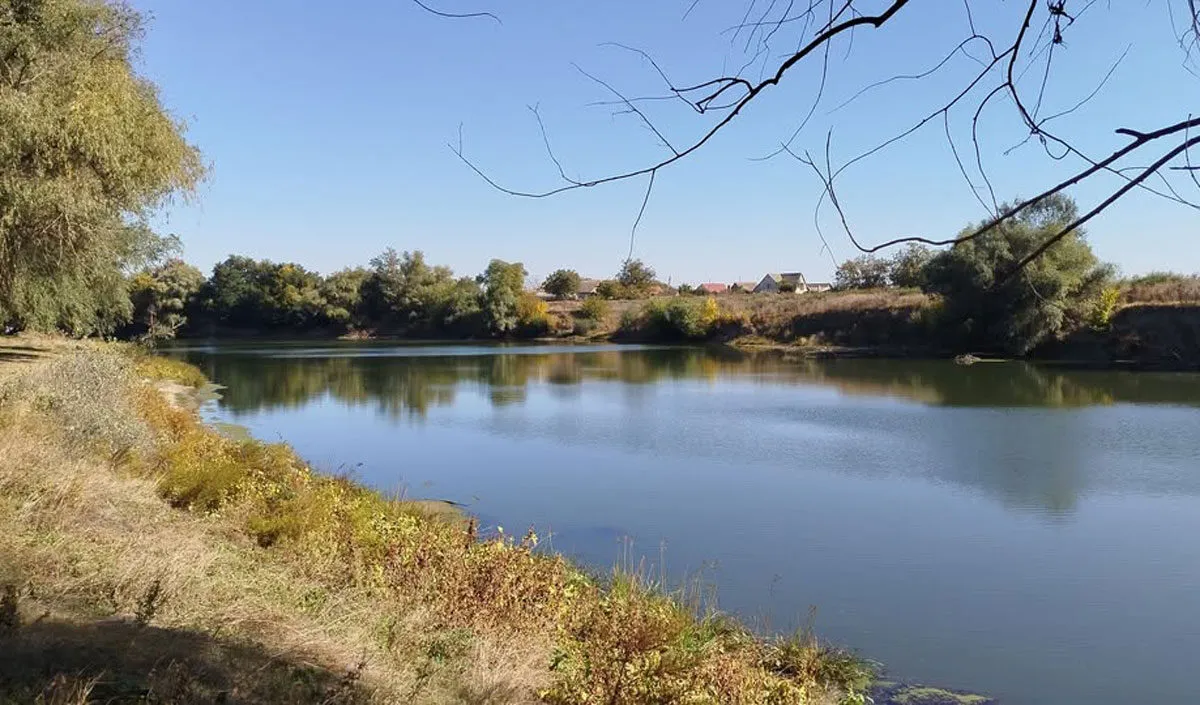
The initial funding allocation supported the development of eight Green City Action Plans and the implementation of ten investment projects. Among these initiatives is the restoration of the Bîc River and the development of flood protection infrastructure in Chișinău, demonstrating the potential of nature-based approaches to urban development.
The additional financing is expected to expand investment opportunities for participating cities, mobilise further public and private capital, and accelerate the implementation of climate-related projects.
Commentary by the Institute of Danube Research
The expansion of the EBRD Green Cities programme is particularly relevant to the sustainable development of the Danube region, where cities face interconnected challenges related to ageing municipal infrastructure, water pollution, energy efficiency, and increasing climate risks.
Moldova's experience in restoring the Bîc River deserves particular attention, as it illustrates how flood protection, ecological rehabilitation of water bodies, and urban regeneration can be integrated into comprehensive infrastructure projects.
For Ukrainian municipalities in the Danube region, such approaches could provide practical guidance for developing projects focused on water infrastructure rehabilitation, wastewater treatment modernisation, renewable energy, and climate adaptation.
Although Ukraine is not among the 15 countries covered by the new GCF concessional financing package, the programme's experience can inform the preparation of investment projects and help Ukrainian communities access other international financing mechanisms.
According to the Institute of Danube Research, a strategic priority should be the development of cross-border environmental initiatives involving Ukraine, Moldova, and other Danube basin countries, focusing on aquatic ecosystem restoration, climate resilience, and the implementation of common standards for sustainable urban development.

 Ukraine
 Romania

 Moldova
 Bulgaria
 Hungary
 Austria
 Danube