

EU countries step up assistance to Moldova over Dniester pollution following the Russian attack
 Moldova
26.03.2026
Moldova
26.03.2026
In recent days, European Union countries have intensified their assistance to Moldova in addressing the consequences of the pollution of the Dniester River caused by a Russian attack on civilian infrastructure in Ukraine. According to the EU Delegation to Chisinau and official Moldovan reports, Belgium is providing 43 floating barriers, 3 skimmers for collecting oil products from the water surface, and 11 reservoirs for storing collected waste. Slovakia, for its part, is sending 42 protective barriers, 10 gasoline sludge pumps, 220 liters of Bioversal solution, and 30 containers for drinking water.
As emphasized, this assistance is being delivered through the EU Civil Protection Mechanism, which Moldova activated on March 13, 2026, in order to respond promptly to the environmental crisis. Earlier, Romania, Luxembourg, Poland, and Germany had also provided support, while France was likewise mentioned in public statements by the Moldovan side.
On March 19, 2026, the European Council, in its official conclusions, separately condemned Russian strikes against Ukrainian civilian infrastructure that caused pollution of the Dniester River — the main source of fresh water for the Republic of Moldova. The document states that the EU stands ready to assist Moldova in mitigating the environmental consequences, including through the EU Civil Protection Mechanism, and welcomed the immediate support provided by member states.
Speaking in parliament, Moldovan Prime Minister Alexandru Munteanu made it clear that bilateral channels with partner countries allow practical issues to be resolved more quickly in a crisis situation. Against this background, on March 15, the Government of Moldova introduced a state of environmental alert in the Dniester basin for a period of 15 days.
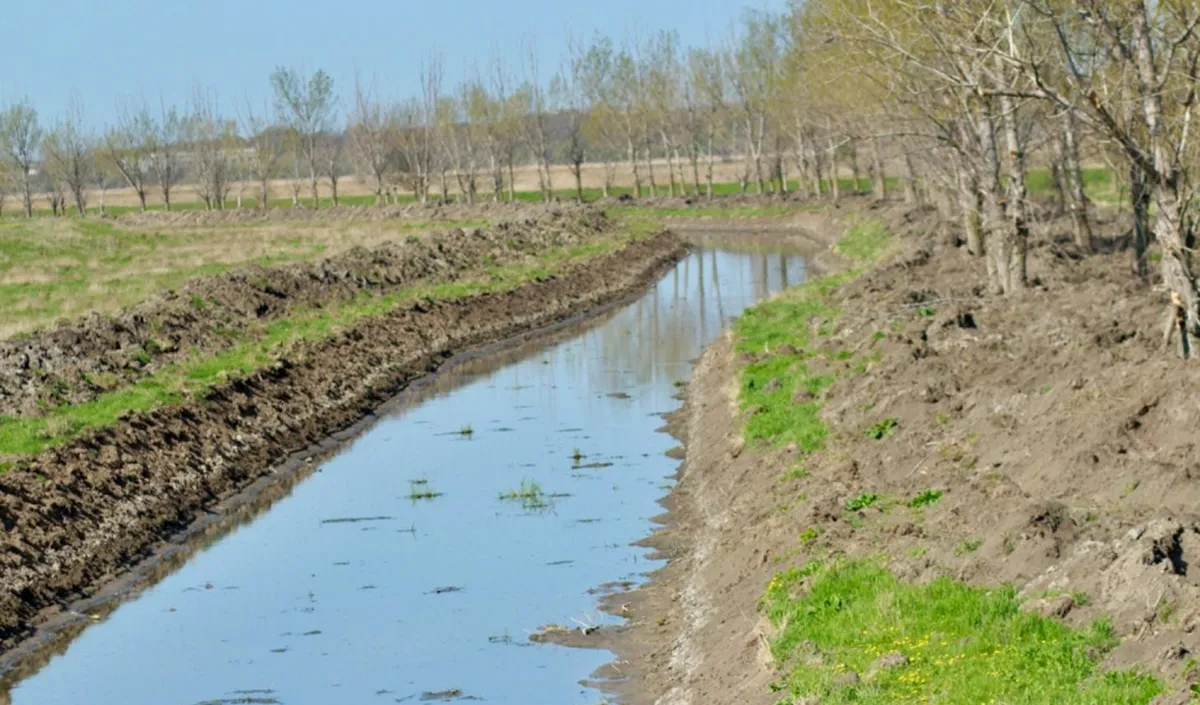
It should be recalled that the pollution of the Dniester resulted from a Russian attack on the Novodnistrovsk hydropower plant. Following the incident, the Moldovan side reported the detection in the water of benzene, toluene, methylbenzene, and xylene — derivatives of light petroleum products — as well as risks to water supply and ecosystems.
Comment by the Institute of Danube Research
The Institute’s experts are closely monitoring the situation around the Dniester and emphasize that environmental security in Eastern Europe can no longer be regarded as a purely national issue. Pollution of a transboundary river as a result of military action quickly turns into a regional crisis affecting water supply, public health, civil protection, and international coordination at the same time. The response of EU states demonstrates a gradual strengthening of practical solidarity with Moldova, but also shows that bilateral assistance channels currently remain a faster tool of response than the full-scale deployment of pan-European mechanisms.
Director of the Institute of Danube Research Vitaliy Barvinenko stated:
“For the Danube-Black Sea region, this case is yet another reminder that Russia’s war against Ukraine produces not only security and energy consequences, but also transboundary environmental effects. That is why issues of water monitoring, joint crisis response, and the integration of environmental security into the broader architecture of regional resilience must move from the level of ad hoc decisions to the level of sustainable interstate policy.”
 Ukraine

 Serbia
 Bulgaria
 Hungary
 Romania
 Danube