

Environmental Monitoring of the Danube Delta and Protection of Natural Areas Discussed in Izmail
 Ukraine
30.10.2026
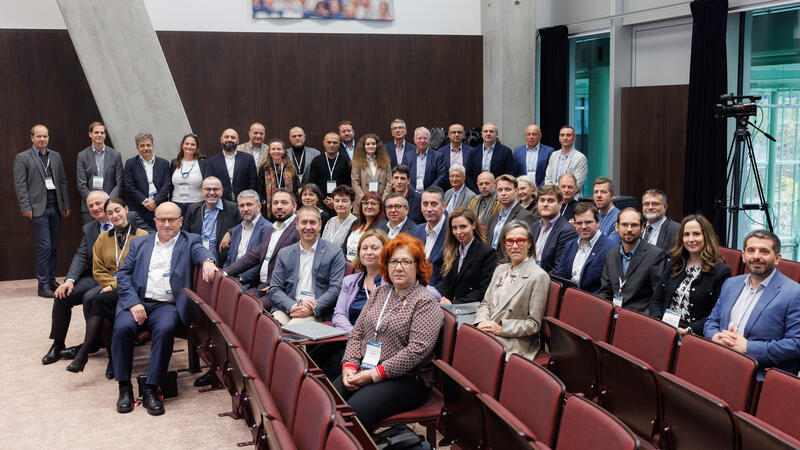
On 23–24 October 2026, the Izmail district of Odesa Oblast hosted a scientific and practical conference entitled “Danube – Lagoons – Black Sea: Protected Areas, Sediments, Monitoring and Resilience”, focusing on the conservation of Lower Danube aquatic ecosystems, sediment dynamics and the protection of natural areas.
The event was organized by the National Ecological Centre of Ukraine (NECU) in cooperation with its partners, with activities hosted at Izmail State University of Humanities. According to Bessarabia.UA, the conference combined scientific presentations, field research and discussions on mechanisms for protecting natural ecosystems.
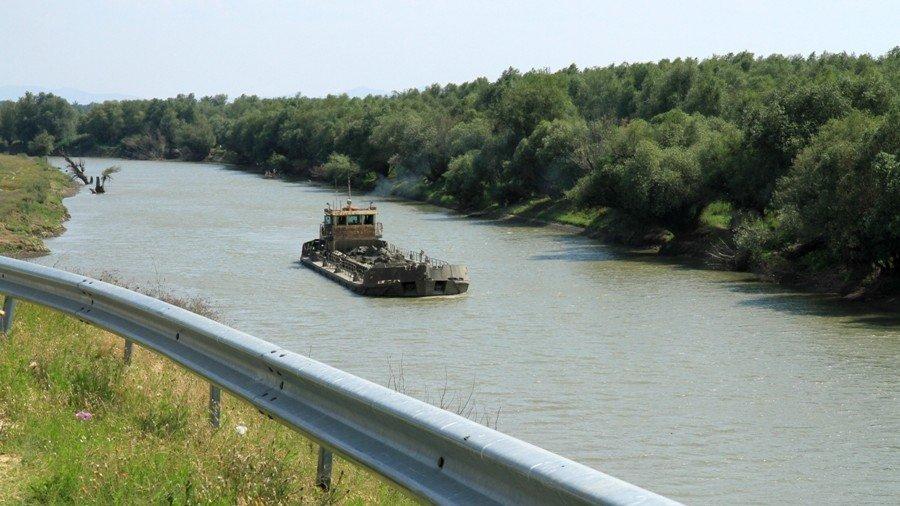
Particular attention was given to sediment monitoring, including suspended particles and bottom deposits whose movement influences the formation of river channels, islands, shorelines and the natural dynamics of the Danube Delta.
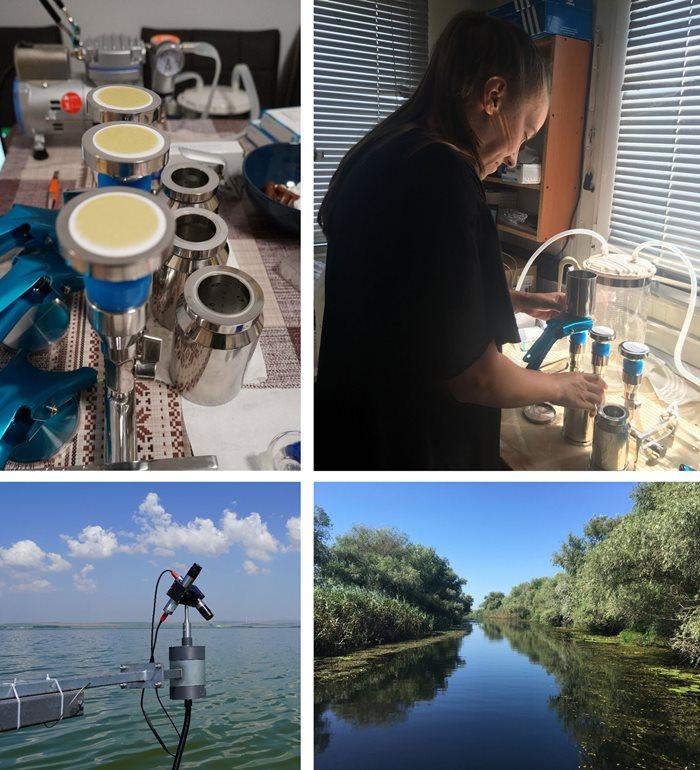
As part of the international SUNDANSE (Sustainable Sediment Solutions for the Danube–Black Sea System) project, NECU specialists demonstrated methods for sampling suspended sediments near Vylkove. The project aims to improve monitoring, predict sediment transport and develop sustainable approaches to sediment management across the Danube–Black Sea system.
The practical programme included field studies on Yermakiv Island. With the participation of Oleh Diakov, Director of the Danube Biosphere Reserve of the National Academy of Sciences of Ukraine, and Oleksandr Haidash, Head of its Scientific Department, participants examined natural landscapes, vegetation, wildlife and the ecological processes sustaining wetland ecosystems.
A roundtable discussion on protected area conservation was also held in Vylkove. Key issues included the demarcation of protected areas, prevention of illegal construction, environmental consequences of military operations and improvement of legal mechanisms for nature conservation.
Following the discussions, participants began preparing a joint resolution and an appeal to national authorities with proposals to strengthen the protection of natural areas.
The conference took place ahead of International Black Sea Day, observed annually on 31 October.
Commentary by the Institute of Danube Research
Research into sediment dynamics in the Danube Delta is strategically important for environmental security, water resource management and sustainable development throughout the Lower Danube Region.
Sediments shape the delta's natural structure, influence wetland conditions, navigability, water exchange with Danube lakes and the functioning of protected ecosystems. Disruptions to the natural sediment balance caused by hydraulic engineering, climate change and human activities can contribute to ecosystem degradation, siltation of waterways and changes in hydrological regimes.
According to experts at the Institute of Danube Research, establishing an integrated monitoring system for sediment dynamics, hydrological conditions and the ecological status of protected areas in the Ukrainian Danube Delta should become a priority of national and regional environmental policy.
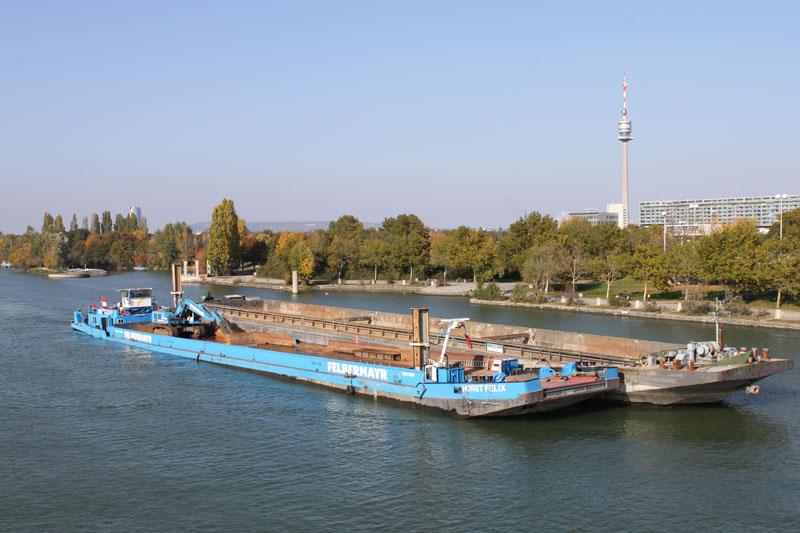
Particular importance should be attached to balancing environmental protection with the needs of navigation and port infrastructure development. Dredging operations, river channel regulation and restoration of water exchange should be based on comprehensive scientific research and assessments of long-term environmental impacts.
At the same time, the transboundary character of the Danube Delta requires stronger cooperation between Ukraine and Romania in joint environmental monitoring, hydrological data exchange and natural resource management. The EU Strategy for the Danube Region (EUSDR), Interreg programmes and international scientific projects can serve as important instruments for such cooperation.
Special attention should also be given to documenting the environmental consequences of the war, including potential contamination of water and bottom sediments, damage to natural habitats and disruption of aquatic ecosystems.
The Institute of Danube Research emphasizes that the conservation of the Ukrainian Danube Delta must combine science-based monitoring, effective environmental legislation, transboundary coordination and active participation by local communities.
The findings of such research should contribute to comprehensive programmes for the ecological restoration of the Lower Danube, biodiversity conservation and a sustainable balance between economic activities and the protection of natural ecosystems.
 Romania

 Moldova
 Bulgaria
 Hungary
 Austria
 Danube