

Danube Region Multimodal Corridors: railways, roads, ports and borders as a single transport system
 Danube
15.05.2026
Danube
15.05.2026
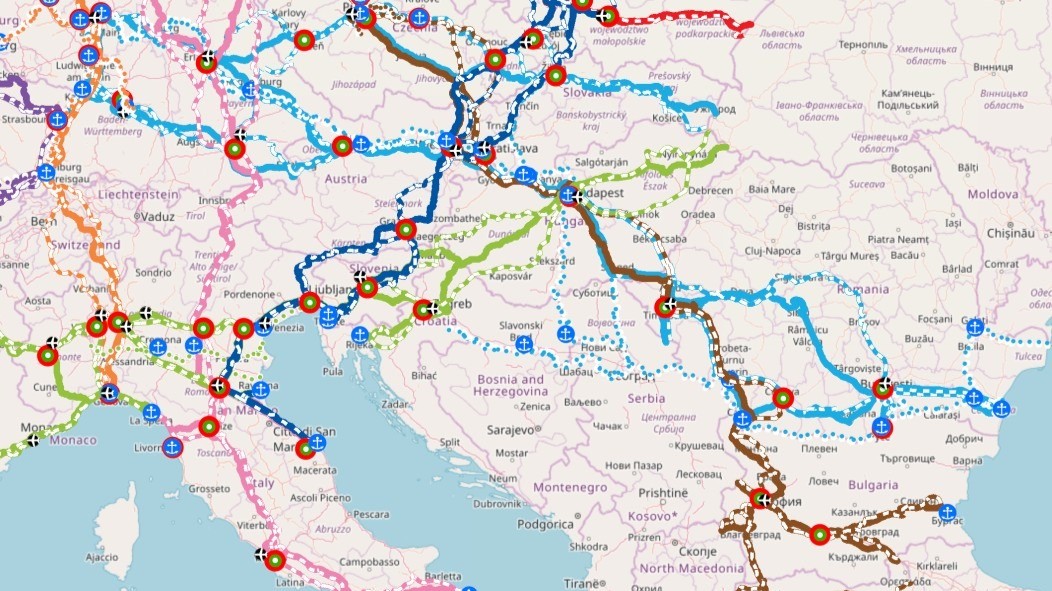
Within the framework of the EU Strategy for the Danube Region, the flagship initiative Danube Region Multimodal Corridors is being developed to create a more integrated transport system between the countries of the Danube macro-region. Its logic is to reduce the fragmentation of transport flows, strengthen links between rail, road, port and border infrastructure, and create conditions for more sustainable, secure and competitive mobility.
The initiative is implemented under EUSDR Priority Area 1b — Rail-Road-Air Mobility, which focuses on improving mobility and multimodality in rail, road and air transport. Its objectives include supporting the functioning of TEN-T multimodal corridors, developing efficient terminals in sea, river and dry ports, and improving the integration of different modes of transport and logistics services by 2030.
In practical terms, this is not only about building individual roads or modernising railways. The concept of multimodal corridors means planning transport as a single network in which infrastructure, logistics hubs, cities, ports, border crossings and digital services operate in a coordinated manner. It is precisely at the intersections between countries, modes of transport and legal regimes that delays, additional costs and infrastructure gaps most often arise.
The initiative is particularly important for connections between the Northern Adriatic, the Black Sea and the wider Danube Region. EUSDR documents emphasise that the network of multimodal corridors should improve connections between the Northern Adriatic and the Black Sea, while also strengthening intermodal links with river and seaports across the macro-region.
This is especially relevant for a territory stretching from the Black Forest to the Black Sea and located at the intersection of European and global trade routes. Multimodal corridors are intended to reduce infrastructure, technological and administrative-legal barriers, improve regional accessibility, simplify cross-border operations and create conditions for stronger trade, employment and investment.
A wide range of stakeholders is involved in the initiative: national governments, regional and local authorities, the European Commission, international financial institutions, including the European Investment Bank, the World Bank and the EBRD, as well as international organisations, specialised platforms and civil society. This format is important because transport corridors cannot function effectively within the borders of one state alone — they require joint planning, synchronised standards and coordinated investments.
A separate emphasis is placed on combining “hard” infrastructure projects with “soft” instruments: common standards, digital solutions, safety measures, environmental approaches and the development of cleaner mobility. In this sense, multimodal corridors are seen not only as transport infrastructure, but also as an instrument of economic integration, climate transformation and regional resilience.
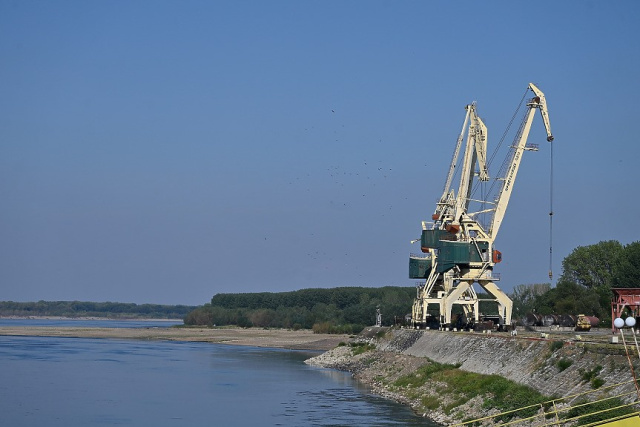
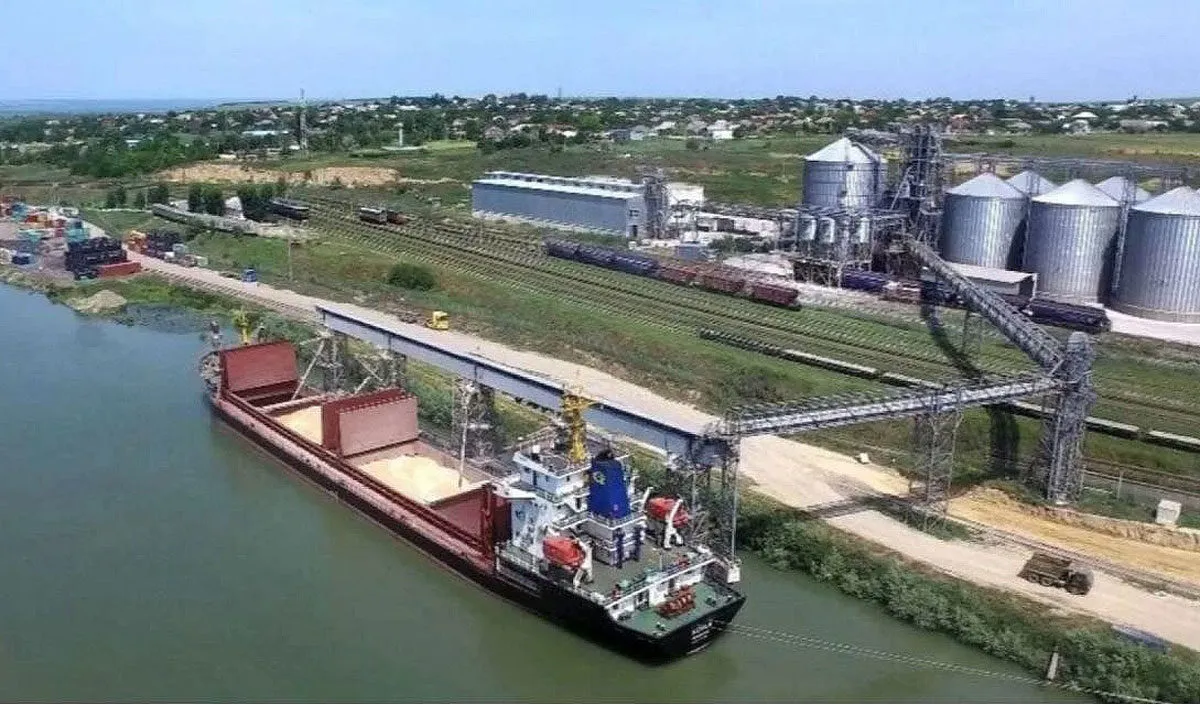
For Ukraine, this initiative has direct practical significance. Ukrainian Danube ports, border crossings with Romania and Moldova, and the railway and road routes of the Danube region are increasingly being integrated into the wider European logistics system. In this context, Reni, Izmail, Ust-Dunaisk, the Orlivka–Isaccea direction, the Reni–Giurgiulești–Galați route, as well as railway and road links with Constanța, can be viewed not as peripheral elements, but as part of the future multimodal architecture of the Danube–Black Sea area.
Comment by the Institute of Danube Research
The Danube Region Multimodal Corridors initiative is important not only for the transport policy of the European Union, but also for the strategic positioning of the Ukrainian Danube region. It demonstrates a shift from the logic of separate infrastructure facilities to the logic of functional corridors, within which a port, railway, road, border crossing, logistics terminal and digital service must operate as a single mechanism.
For Ukraine, this means the need to view the Danube direction not only as a crisis alternative to maritime logistics formed under wartime conditions, but as a long-term European transport space. It is here that the interests of exports, imports, transit, regional economic recovery and integration into TEN-T can be combined.
Experts of the Institute of Danube Research note that the Ukrainian Danube region has the potential to become one of the key nodes at the intersection of the Black Sea, Danube and Balkan directions. However, this requires not only the modernisation of port infrastructure, but also the synchronised development of access roads, railway crossings, border services, intermodal terminals and digital systems for managing cargo flows.
Projects aimed at improving connectivity between Ukrainian Danube ports, the Romanian port system, Moldova and EU corridors may play a particularly important role in this process. This is about the practical formation of a transport geography in which Reni, Izmail, Ust-Dunaisk, Giurgiulești, Galați and Constanța can become elements of a complementary, not merely competitive, logistics system.
Vitaliy Barvinenko, Director of the Institute of Danube Research:
“Danube Region Multimodal Corridors is exactly the approach that the Ukrainian Danube region needs. We must move from the point-by-point modernisation of individual roads, ports or border crossings to the creation of a fully-fledged multimodal system integrated with TEN-T, Romanian and Moldovan infrastructure, as well as the wider Danube Region. For Ukraine, this is not only a matter of logistics, but also of economic resilience, border security, regional development and real European integration.”
 Moldova
 Ukraine
 Serbia
 Bulgaria
 Hungary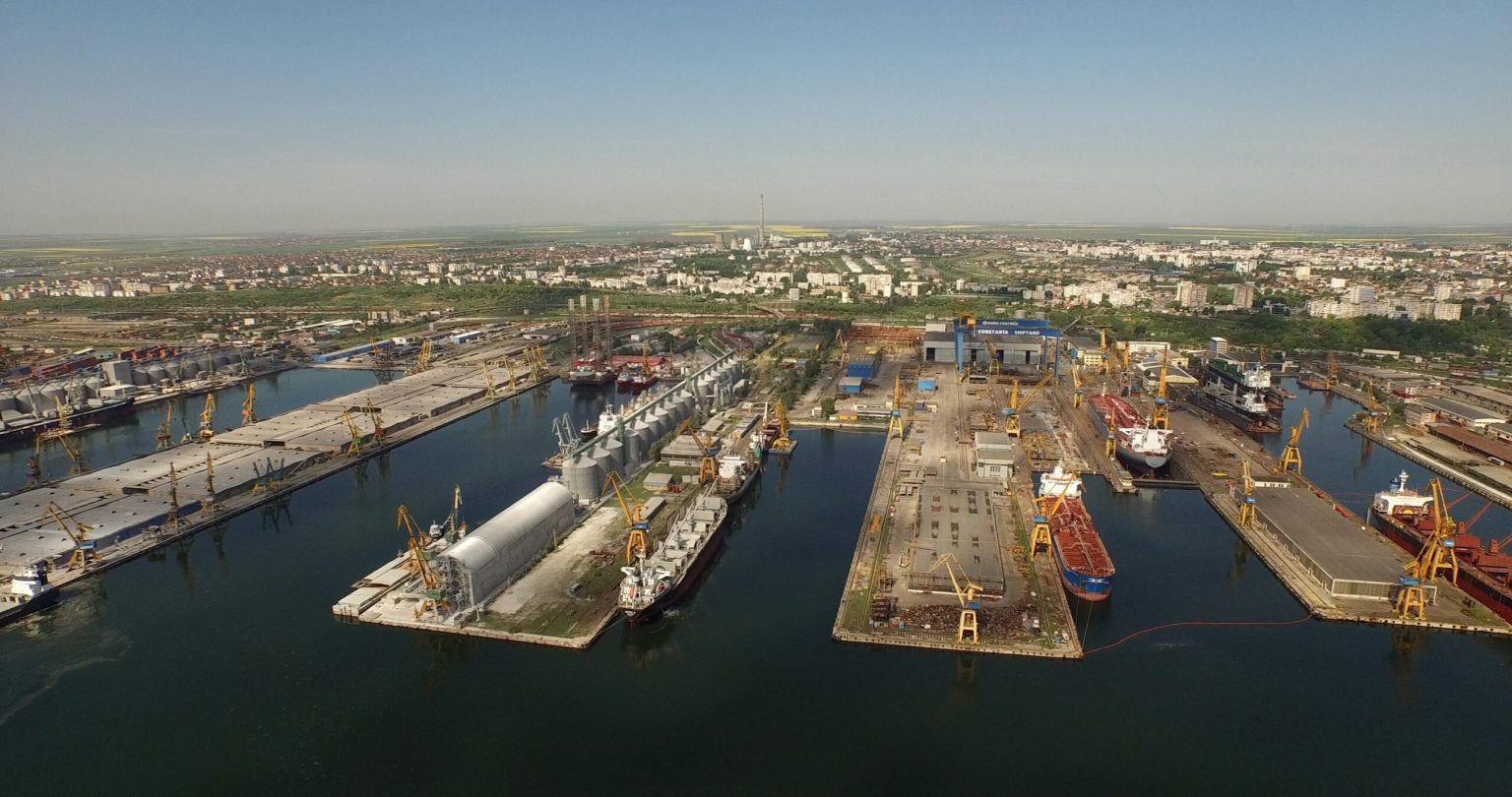
 Romania