

Danube Ports of Reni and Izmail Can Handle Only 15–20% of Ukraine’s Exports: Logistics Constraints Put Growing Pressure on the Agricultural Sector
 Ukraine
04.11.2026
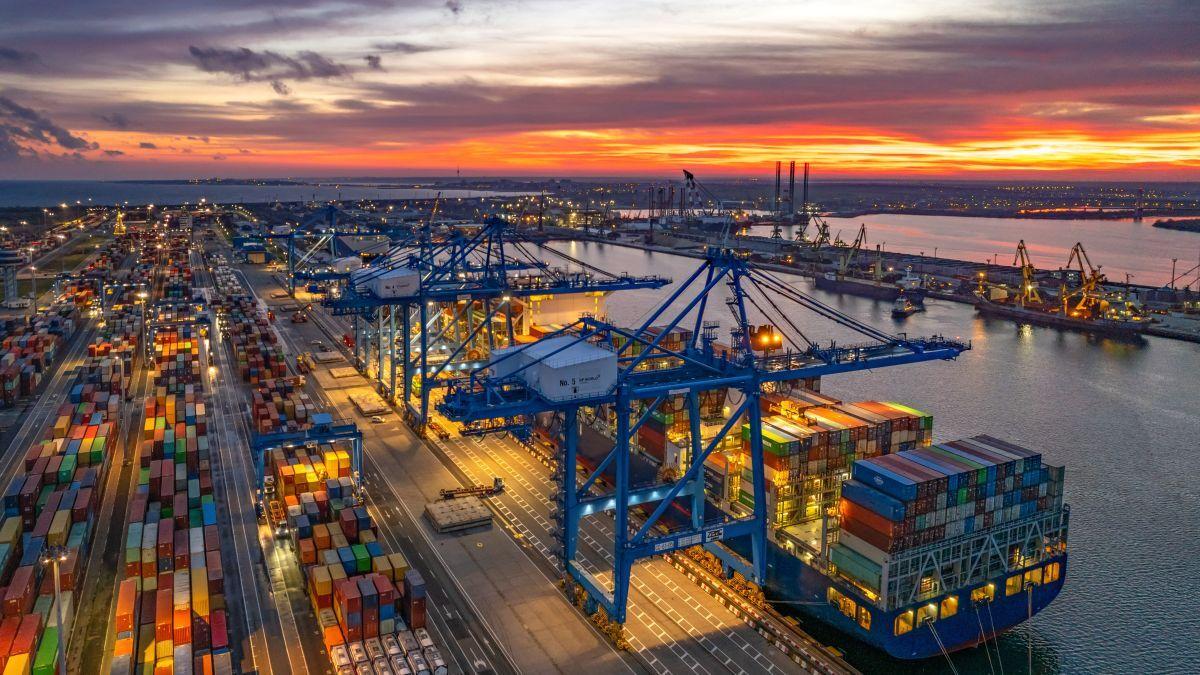
Ukraine’s Danube ports of Reni and Izmail remain important alternative routes for agricultural exports. However, their limited handling capacity prevents them from fully compensating for disruptions to shipping through the deep-water ports of the Black Sea.
According to Olena Shelest, Commercial Director of the agricultural holding HarvEast, the ports of Reni and Izmail can handle approximately 15–20% of Ukraine’s total exports. This assessment was reported by Ukrainian Shipping Magazine, citing the Associated Press.
According to Lloyd’s List Intelligence, only 21 vessels entered Ukrainian Black Sea ports in August 2026, representing a decline of approximately 90% compared with the same period last year. Russian attacks, rising insurance costs and significant security risks remain major factors affecting maritime transportation.
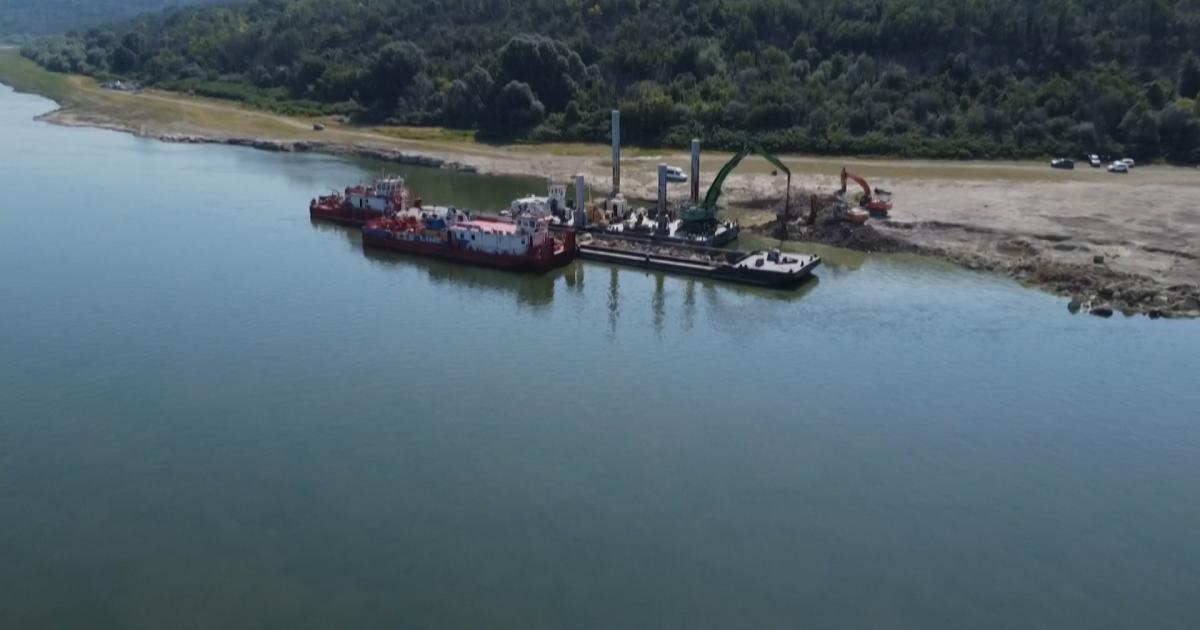
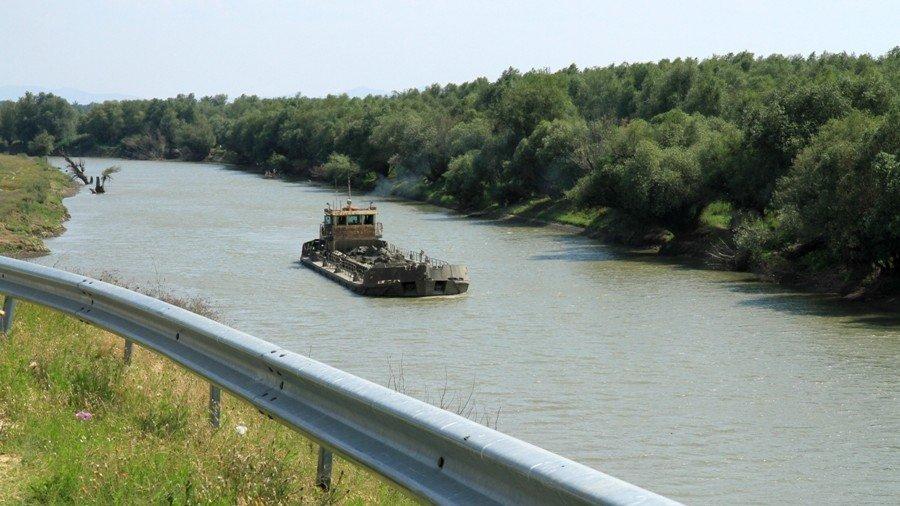
Meanwhile, Danube logistics face additional constraints caused by low water levels and congestion along the Sulina Canal. According to Volodymyr Slavinskyi, Trading Director of NIBULON, declining water levels have reduced barge loading capacity from 1,500 tonnes to approximately 800–900 tonnes.
As a result, transportation costs have increased considerably. For example, shipping one tonne of corn from central Ukraine to Spain, which previously cost up to USD 50, can now reach USD 150.
Rising logistics costs create additional financial risks for agricultural producers, limiting their ability to invest in the next planting season.
Commentary by the Institute of Danube Research (IDR)
The current situation confirms the strategic importance of the Danube ports in maintaining the resilience of Ukraine’s exports while highlighting structural limitations within the Lower Danube transport system.
According to the Institute of Danube Research, the main challenge is not merely the insufficient capacity of individual ports, but also the dependence of the entire logistics system on hydrological conditions, the navigational capacity of the Sulina Canal and the effectiveness of cross-border coordination.
Increasing transportation costs directly affect the competitiveness of Ukrainian agricultural products in international markets. Particularly concerning is the transfer of additional logistics expenses to agricultural producers, potentially reducing investment in production and negatively affecting future harvests.
Priority measures should include modernising the ports of Reni and Izmail, developing railway infrastructure, increasing the navigational capacity of the Sulina Canal and introducing more effective mechanisms for coordinating navigation among Ukraine, Romania and Moldova.
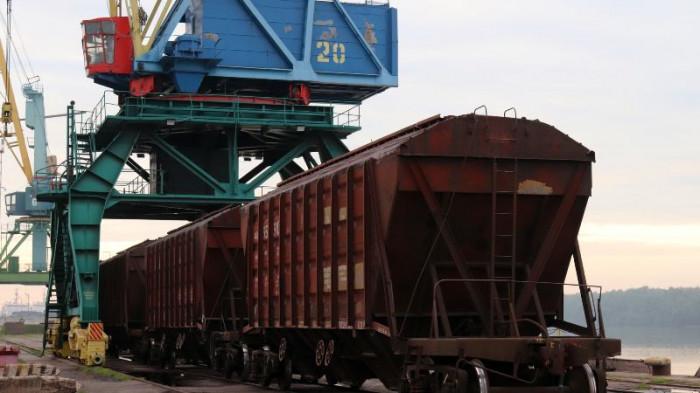
Particular attention should be given to establishing an integrated Lower Danube logistics cluster involving the ports of Izmail, Reni, Galați, Brăila and Giurgiulești. Such a cluster could facilitate more efficient cargo flow distribution and strengthen the resilience of the regional transport system.
Danube ports should be regarded not merely as alternative export routes during wartime, but as strategic components of Ukraine’s long-term integration into the European Trans-European Transport Network (TEN-T).

 Romania

 Moldova
 Bulgaria
 Hungary

 Austria


 Danube