

Cargo Handling at Ukraine’s Danube Ports Nearly Triples Amid Growing Black Sea Security Risks
 Ukraine
03.11.2026
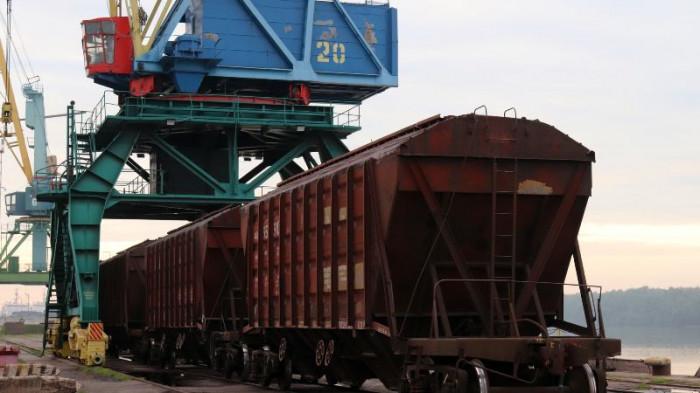
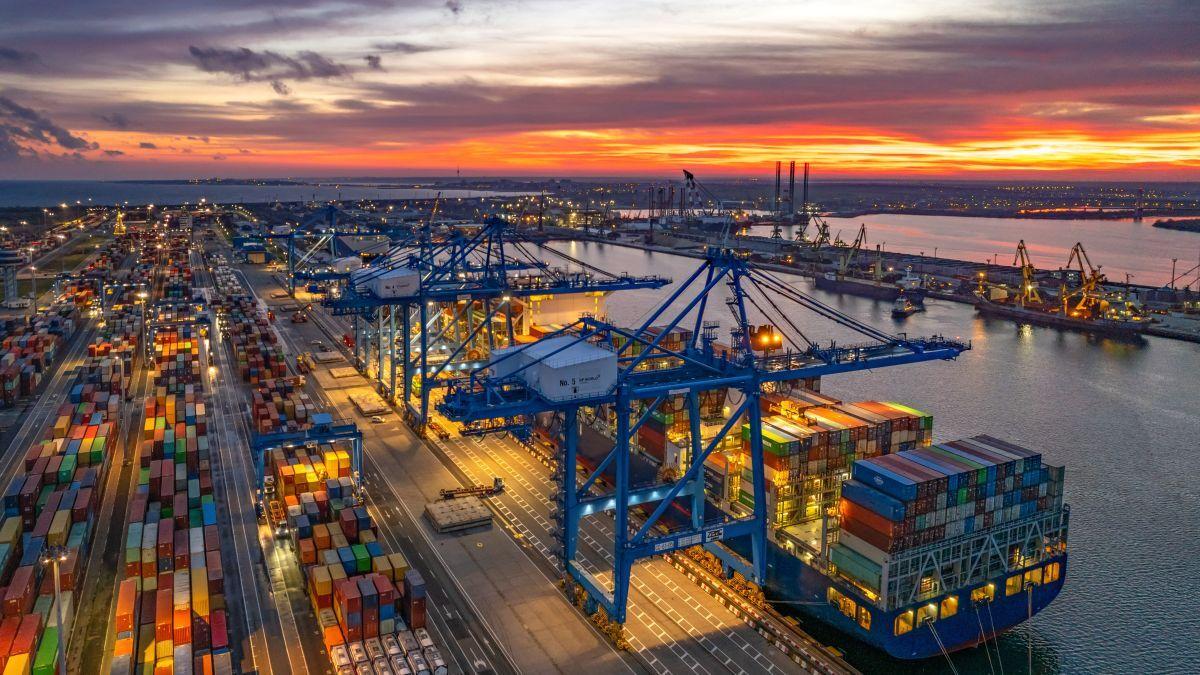
Ukraine’s Danube port cluster has significantly increased cargo handling volumes, partially compensating for the disruption of operations at the Greater Odesa ports caused by the deteriorating security situation in the Black Sea.
According to Ukrainian government official Mykola Kalashnyk, the ports of Izmail, Reni and Ust-Dunaisk handled an average of 560,000 tonnes of cargo per month during the first half of 2026. Between July and September, this figure increased to nearly 1.5 million tonnes per month.
Meanwhile, cargo handling at the Greater Odesa ports reportedly declined by approximately 95% in August compared with the previous monthly average, falling from 6 million to 300,000 tonnes.
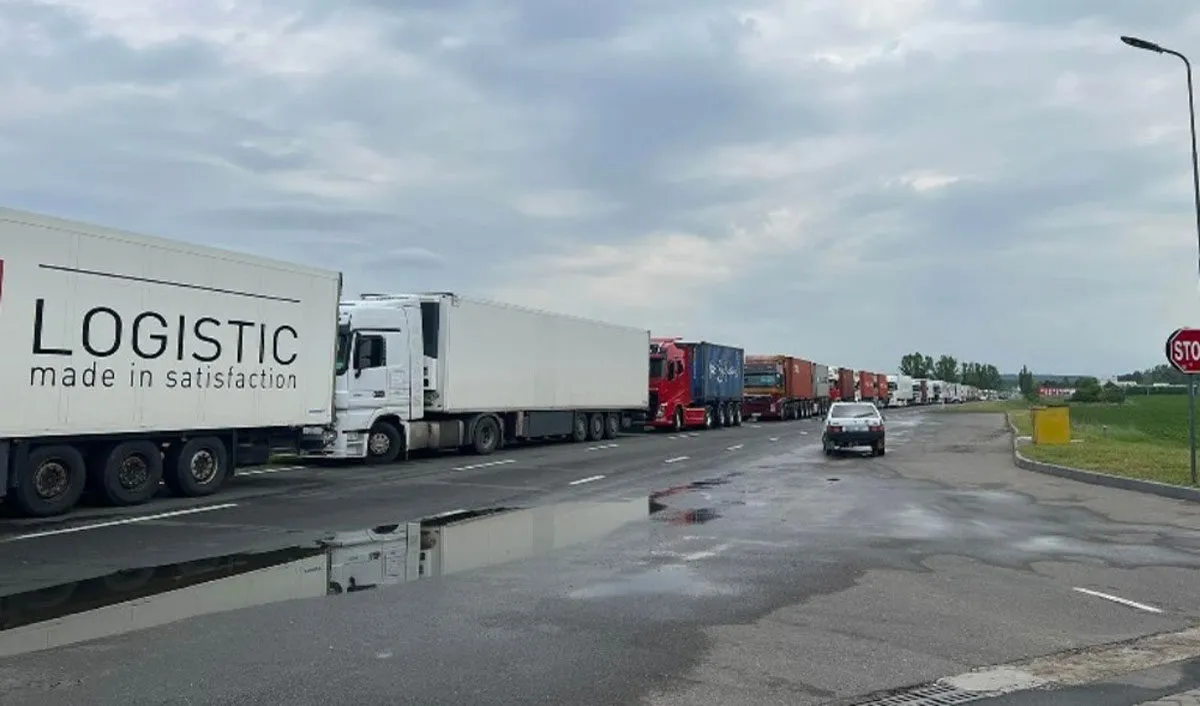
Freight transportation through Ukraine’s western border crossings also increased significantly, particularly grain exports.
Commentary by the Institute of Danube Research (IDR)
The increase in cargo handling volumes confirms the strategic importance of the Lower Danube as an alternative transport corridor for Ukraine amid ongoing wartime security risks.
At the same time, growing freight flows are placing additional pressure on port facilities, railway connections and navigation infrastructure.
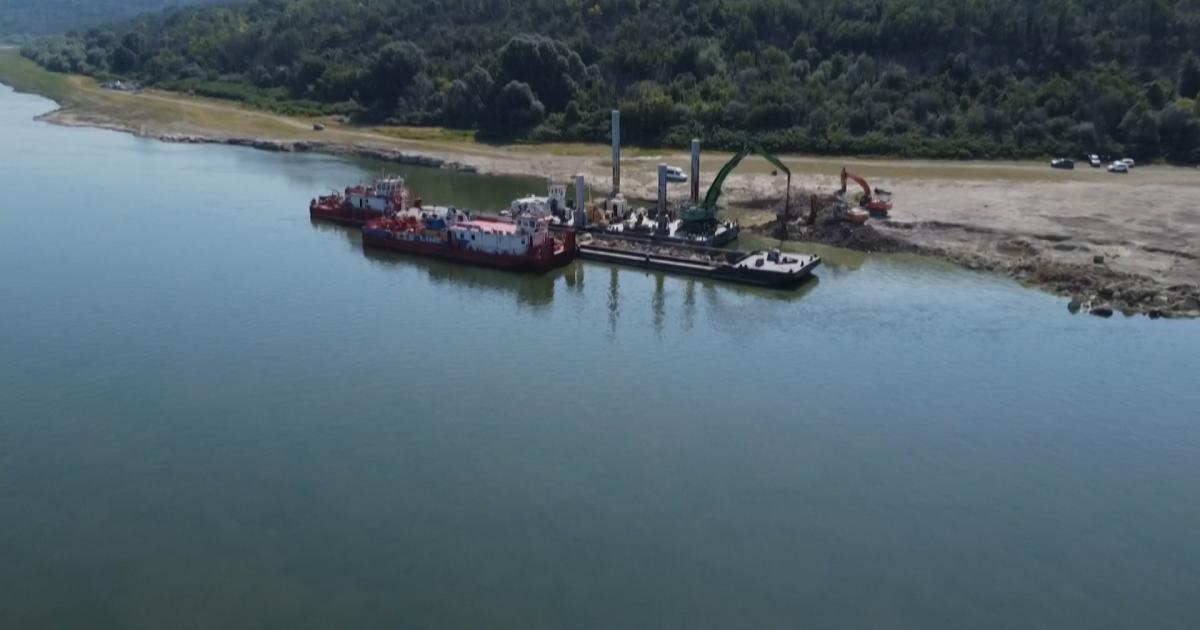
The Institute of Danube Research believes that priority should be given to expanding the capacity of the Sulina Canal, developing multimodal transport solutions and strengthening coordination among the ports of Ukraine, Romania and the Republic of Moldova.
The Danube transport cluster should be regarded not merely as an emergency alternative to Black Sea shipping routes, but also as a long-term component of the European Trans-European Transport Network (TEN-T).

 Romania

 Moldova
 Bulgaria
 Hungary

 Austria



 Danube