

Bulgaria, Romania and Türkiye Establish Joint Black Sea Security Response Mechanism
 Bulgaria
29.10.2026
The three NATO allies strengthen maritime security cooperation as drones strike another commercial vessel near Bulgaria’s coast.
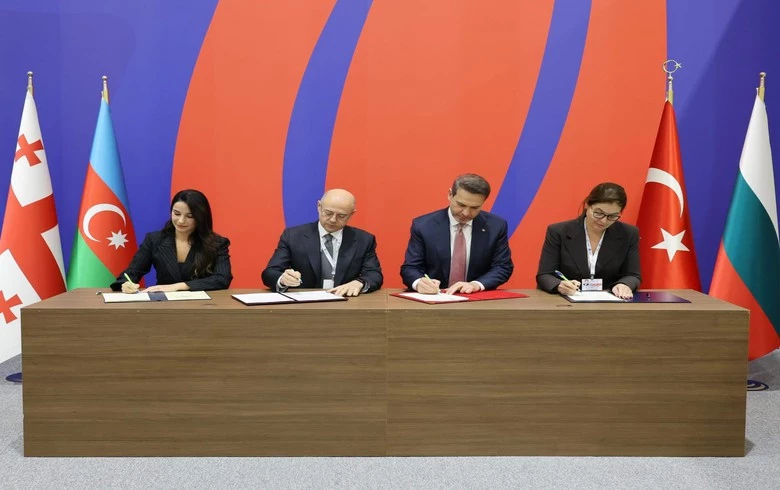
Bulgaria, Romania and Türkiye have agreed to establish a trilateral coordination mechanism aimed at strengthening maritime security and ensuring a faster response to emerging threats in the Black Sea. The agreement was reached on 28 October 2026 during a meeting of defence ministers and military chiefs at the Boyana Residence in Sofia.
The new mechanism will focus on regular consultations, operational information sharing, improved early-warning capabilities and coordinated responses to maritime security threats. Particular attention will be given to protecting commercial shipping, critical maritime infrastructure and strategic transport routes.
The meeting coincided with another drone attack against a commercial vessel near the Bulgarian coast. The Liberian-flagged container ship CONTSHIP JET, travelling from Haifa, Israel, to Constanța, Romania, was struck by three maritime drones approximately 17 nautical miles from Cape Kaliakra.
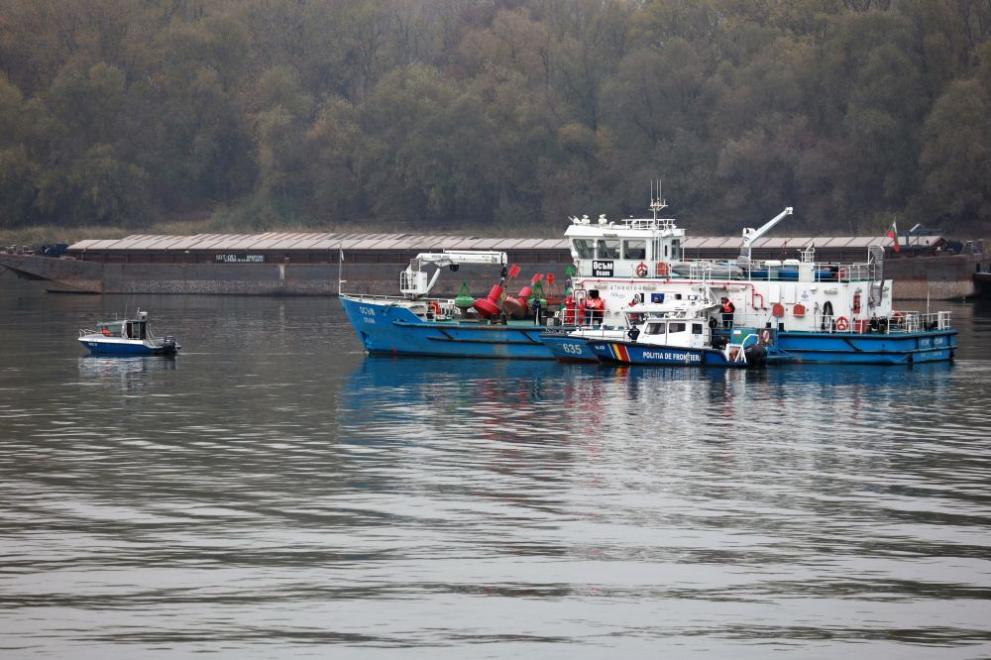
The attack caused significant damage to the vessel, forcing its crew to evacuate. A coordinated rescue operation involving Bulgarian naval forces, border police and maritime authorities successfully rescued all 18 crew members, including four Ukrainian and 14 Filipino nationals.
Bulgarian Defence Minister Dimitar Stoyanov emphasized the importance of a coordinated regional response to growing threats against freedom of navigation. Representatives of the three countries condemned attacks on civilian vessels and called for their immediate cessation.
The participants also reaffirmed their commitment to strengthening cooperation within the existing MCM Black Sea mine countermeasures initiative. Further political and military consultations are expected to take place in Bucharest and Ankara.
Commentary by the Institute of Danube Research
The establishment of a trilateral response mechanism reflects a gradual shift among NATO's Black Sea coastal states from predominantly mine countermeasures cooperation towards a more comprehensive maritime security framework, incorporating surveillance, intelligence sharing, early warning and responses to unmanned maritime threats.
For Ukraine, these developments have significant strategic and economic implications. Security in the western Black Sea is essential for the stability of transport corridors connecting Ukrainian maritime and Danube ports with Romania, Bulgaria, Türkiye and international markets.
The increasing frequency of attacks against commercial shipping creates additional risks for maritime insurance costs, freight rates, transport schedules and the overall reliability of regional logistics.
According to the Institute of Danube Research, the effectiveness of the new mechanism will depend not only on political agreements but also on the practical integration of maritime surveillance systems, the speed of information exchange and the ability of the three countries to coordinate operational responses during crises.
It is equally important to establish effective cooperation with Ukraine, particularly in protecting commercial shipping routes, exchanging maritime threat information and strengthening transport security throughout the Black Sea–Danube region.

 Ukraine
 Romania

 Moldova
 Hungary

 Austria


 Danube