

Brussels Discusses the Future of Danube Region Financing Beyond 2027
 Austria
29.10.2026
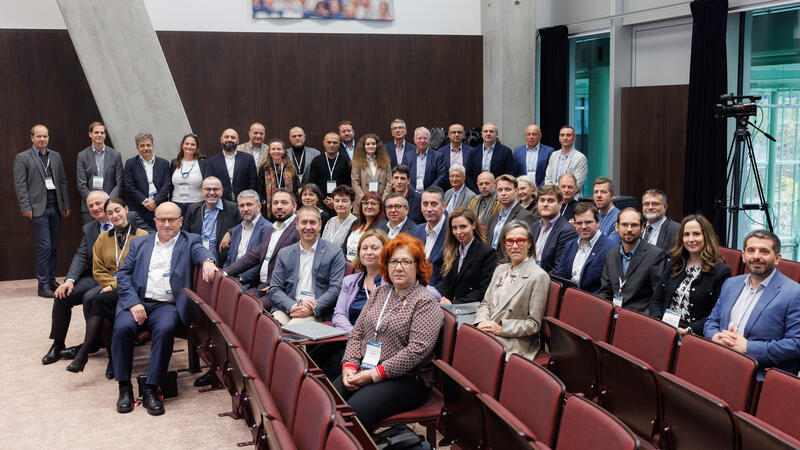
On 13 October 2026, Brussels hosted a panel discussion entitled “The Multiannual Financial Framework as a Driving Force for a Strong Danube Region”, focusing on the future of EU cohesion policy, cross-border cooperation and the participation of regions in shaping the European Union's financial priorities for 2028–2034.
The event took place at the Lower Austrian Liaison Office in Brussels, bringing together representatives of European institutions, regional authorities and the expert community.
Following welcoming remarks by Victor Vaugoin of the Lower Austrian Liaison Office, the keynote address was delivered by Vadym Shkarivskyi, Chairman of the Working Community of the Danube Regions (ARGE Donauländer) and Deputy Chairman of the Odesa Regional Council.
The panel featured Kathrin Huber, representing the Government of Lower Austria; Kristina Krusteva, from the Permanent Representation of Bulgaria to the EU; and Johan Magnusson, representing the European Commission's Directorate-General for Regional and Urban Policy (DG REGIO). The discussion was moderated by Sophia Beiter from the Institute for the Danube Region and Central Europe (IDM).
The central topic was the future Multiannual Financial Framework (MFF) for 2028–2034 and its implications for the development of the Danube macro-region.
Participants emphasized the importance of preserving the regional dimension of cohesion policy, maintaining flexibility in financial instruments and ensuring the active involvement of local and regional authorities in determining investment priorities.
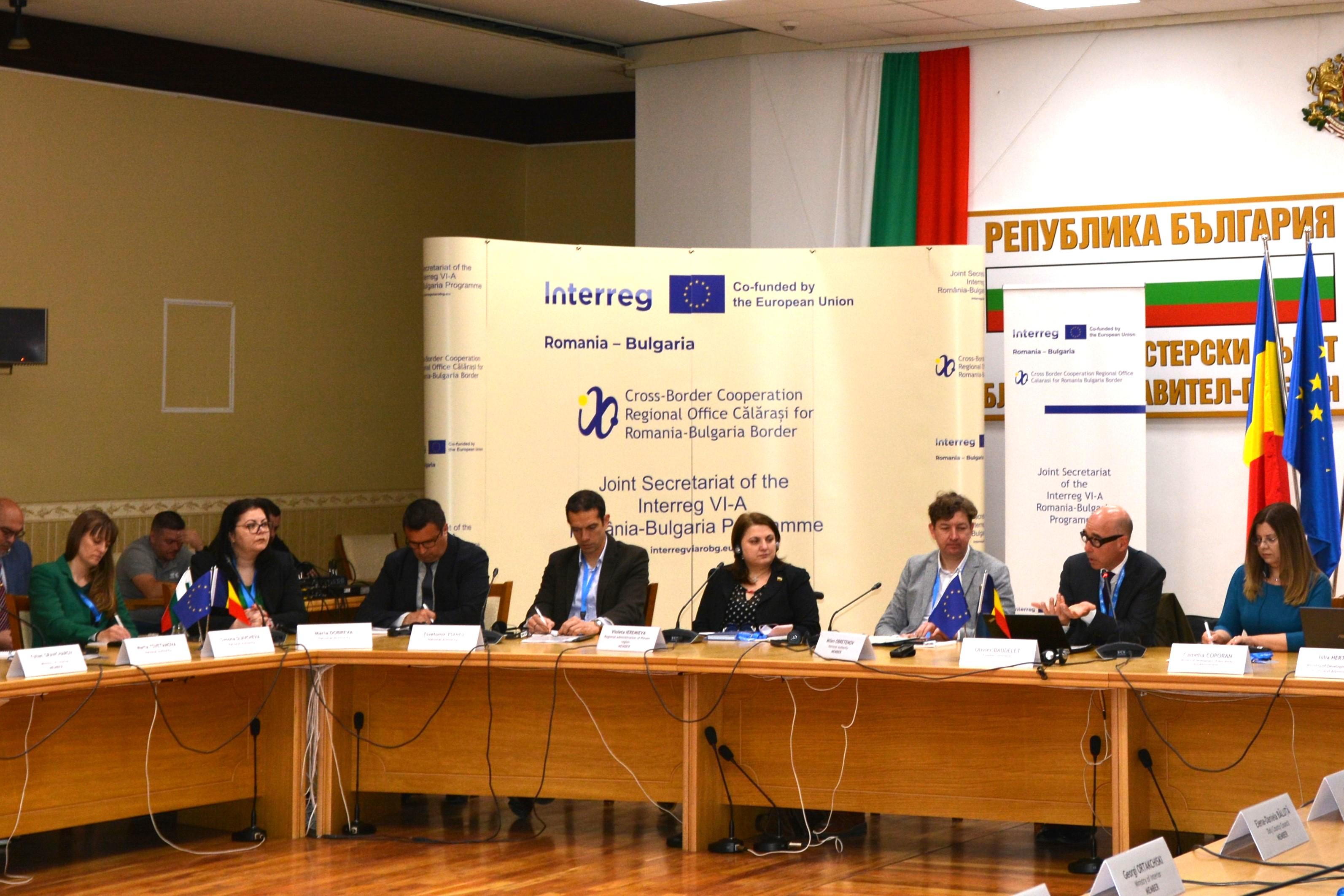
Particular attention was paid to cooperation between the EU Strategy for the Danube Region (EUSDR) and the Interreg Danube Region Programme. Their complementarity enables strategic priorities to be translated into practical projects in transport infrastructure, environmental protection, energy, innovation and cross-border cooperation.
The discussion also addressed the importance of expanding Ukrainian regions' participation in European territorial cooperation programmes. Such engagement is considered an important instrument for Ukraine's gradual integration into the European economic and institutional space.
These developments are particularly relevant for Odesa Oblast, which holds the ARGE Donauländer Chairmanship for 2026–2027 and can use this platform to promote joint regional initiatives.
Commentary by the Institute of Danube Research
Discussions on the EU's future Multiannual Financial Framework are strategically important for the Danube Region, as the European Union's financial architecture beyond 2027 will largely determine opportunities for implementing major cross-border projects and strengthening regional integration.
According to experts at the Institute of Danube Research, preserving the distinct role of territorial cooperation within European budgetary policy is essential. Excessive centralization of financial mechanisms could limit the ability of regions to independently identify development priorities and establish partnerships tailored to local needs.
For Ukraine, a particularly promising approach involves combining Interreg instruments, cohesion policy mechanisms and financial support available to EU candidate countries. This could create conditions for a gradual transition from individual cross-border projects towards comprehensive regional development programmes.
The Institute of Danube Research considers stronger institutional and financial participation of Ukrainian regions in the EU Strategy for the Danube Region to be a key priority for the 2028–2034 financial period.
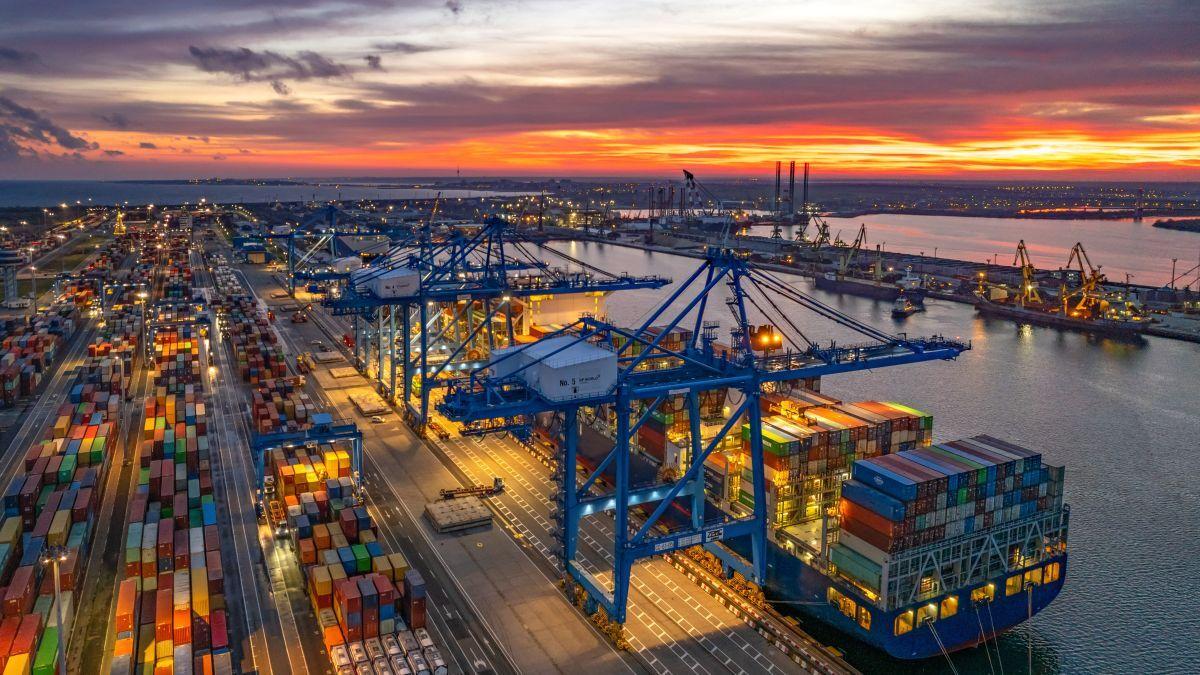
For Odesa Oblast, this would create opportunities to develop joint projects with Romania, Moldova, Bulgaria and other Danube Basin countries in multimodal logistics, port infrastructure modernization, water security, climate adaptation and the recovery of border areas.
However, the effectiveness of Ukrainian regional participation will depend on the capacity of local communities and regional institutions to prepare competitive project proposals, secure co-financing, establish international consortia and efficiently manage European funds.
Therefore, the future Multiannual Financial Framework should be viewed not merely as an instrument for allocating budgetary resources, but also as a strategic mechanism for strengthening territorial cohesion, economic resilience and European integration throughout the Danube Region.

 Ukraine
 Romania

 Moldova
 Bulgaria
 Hungary

 Danube