

A new rail route for steel imports has appeared in Ukraine: Constanța — Perechyn as an alternative to high-risk Danube logistics
 Ukraine
07.05.2026
Ukraine
07.05.2026
Ukrzaliznytsia, together with UZ Cargo Poland and the Liski Transport Service Centre branch, has launched a regular freight route between Romania and Ukraine. The new service has already been tested for steel product imports and may strengthen the resilience of Ukraine’s import supply chains amid continued attacks on port infrastructure on the Danube.
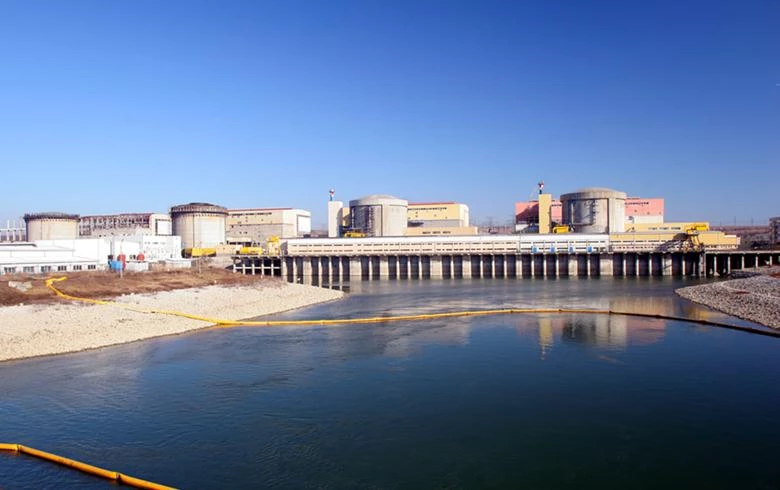
The first successful case of the new route was the integrated transportation of sheet steel from the Romanian port of Constanța to Perechyn station in Zakarpattia Oblast, Ukraine. The route passes through the Halmeu — Diakovo border crossings and combines Romania’s maritime logistics capacity with Ukraine’s railway infrastructure.
To organize the shipment, 60-foot fitting platforms with wooden flooring were dispatched from Chop-Liski station to the port of Constanța. A key technological feature of the service is bogie exchange: the platforms are transferred from the 1520 mm broad-gauge track to the 1435 mm European standard gauge without reloading the cargo itself.
This approach makes it possible to avoid additional operations involving the unfastening and re-securing of cargo, reduce reloading costs and related material expenses, and significantly accelerate border crossing procedures. According to railway operators, the bogie exchange process takes only a few hours, which is substantially faster than traditional transshipment from wagons of one gauge standard to another.
For steel importers, this has practical significance, as Ukrainian industry and the construction sector require more predictable logistics channels. Under conditions in which Ukrainian Danube ports remain under constant threat from missile and drone attacks, alternative routes through Romania and western border crossings are acquiring not only commercial but also strategic importance.
Comment by the Institute of Danube Research
Experts of the Institute identify several important implications for Ukraine.
First, the route creates an additional import channel through Romania, reducing pressure on individual border and port directions.
Second, the use of bogie exchange technology without cargo reloading increases the efficiency of transportation between railway systems with different track gauges.
Third, the route may become an instrument for improving supply resilience for industrial enterprises that depend on regular steel product imports.
Fourth, it confirms the growing role of Romania as Ukraine’s logistics partner during the war and in the gradual integration of Ukrainian transport flows into the European network.
Thus, the launch of the regular Constanța — Perechyn freight route is not only a technical solution for steel importers, but also an important step toward building a more resilient, diversified and European-oriented logistics system for Ukraine.
According to Vitalii Barvinenko, Director of the Institute of Danube Research, Doctor of Law and Professor, the launch of this route demonstrates the gradual formation of a new configuration of Ukraine’s foreign trade logistics.
“This is not merely a separate service for transporting steel products. It is an example of how Ukraine is adapting its logistics chains to wartime risks while simultaneously integrating into the transport system of the European Union. The use of the port of Constanța, border crossings with Romania and bogie exchange technology without cargo reloading creates a more flexible supply model that can be scaled up for other categories of cargo,” Vitalii Barvinenko noted.
The Institute of Danube Research emphasizes that the new route should not be viewed as a competitor to Ukraine’s Danube ports. Rather, it is an element of a reserve and diversified logistics system designed to reduce importers’ dependence on a single direction and ensure continuity of supply under wartime instability.
The Romanian direction is of particular importance. Since the beginning of Russia’s full-scale invasion, the port of Constanța has become one of the key hubs for Ukrainian exports and imports. Its role may now expand not only in agricultural logistics, but also in industrial logistics, including steel products, equipment, construction materials and other cargoes requiring careful handling and preservation during transportation.
 Moldova
 Serbia
 Bulgaria
 Hungary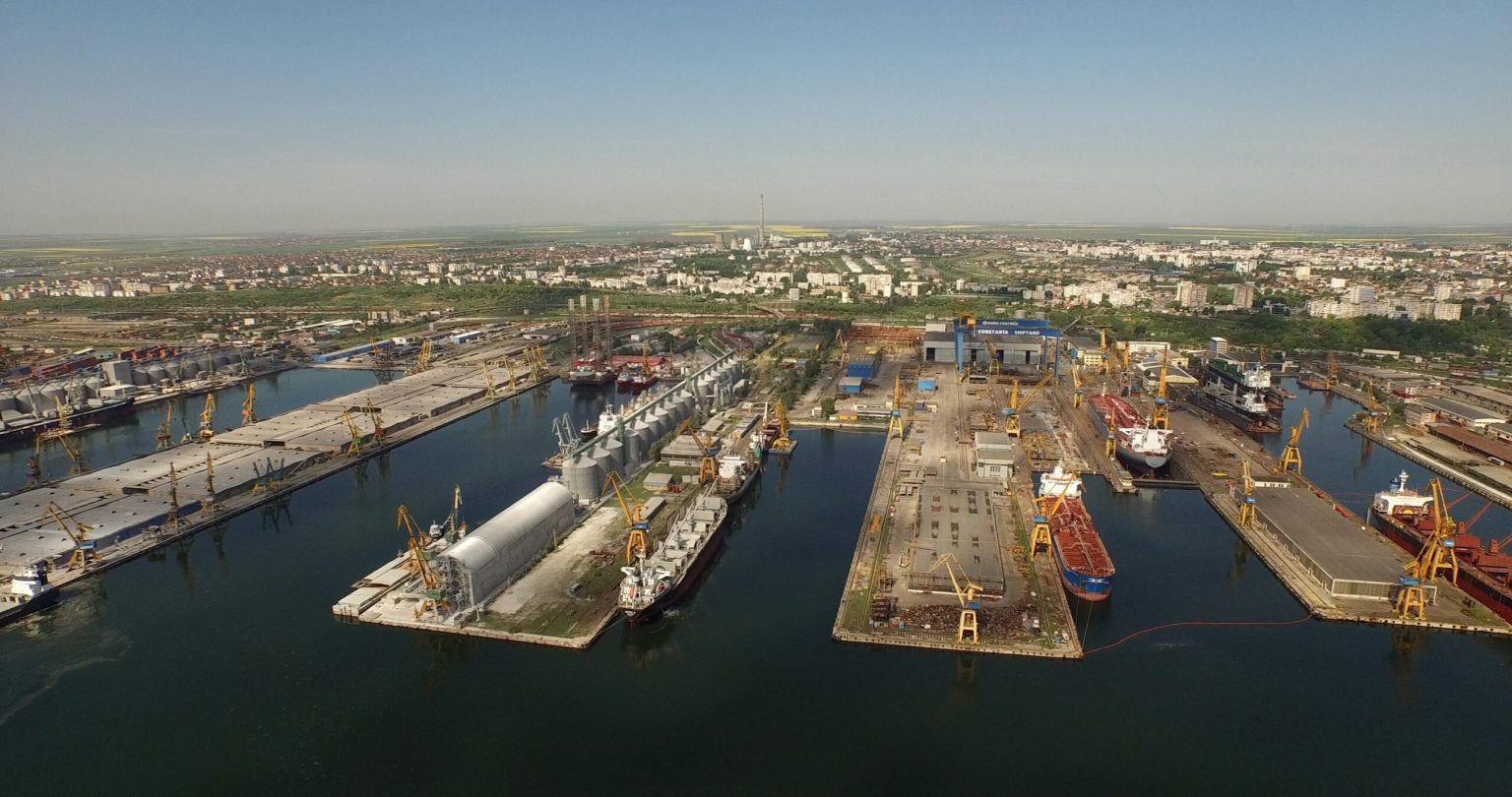
 Romania

 Danube