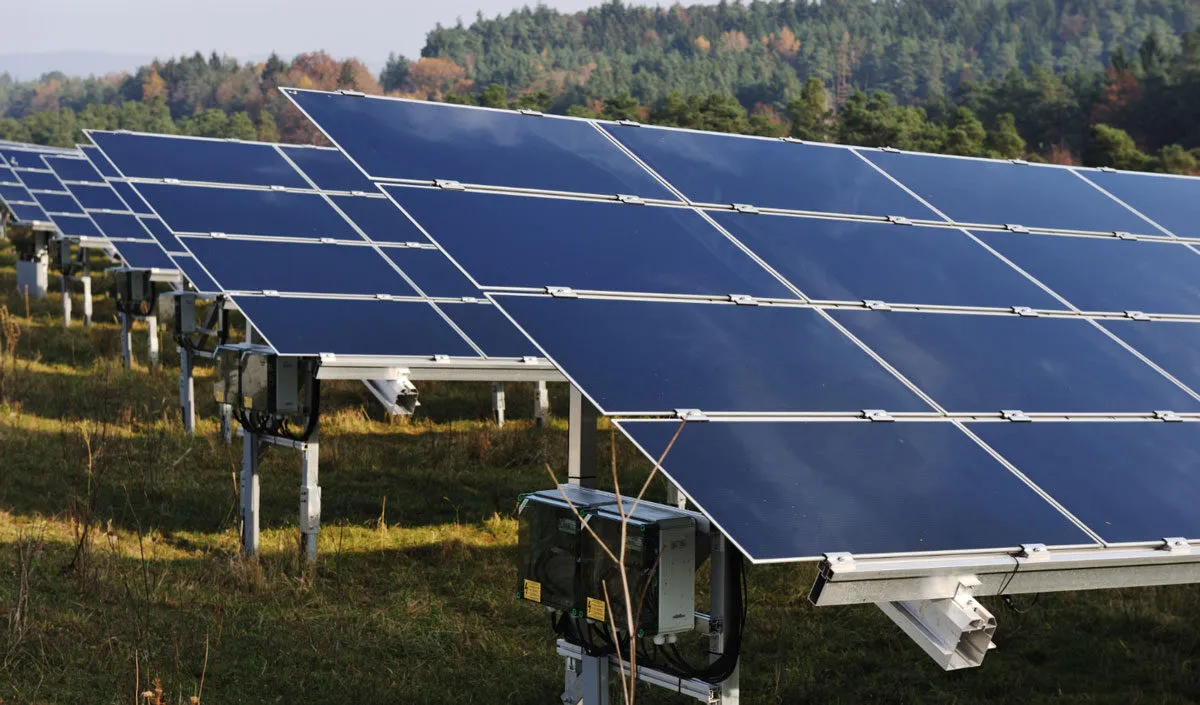


University of Ruse launches solar catamaran with drones on the Danube
 Bulgaria
30.03.2026
Bulgaria
30.03.2026
A new cross-border environmental monitoring system for the Danube, centered on an autonomous solar-powered vessel, is set to be officially presented in Ruse on April 2. According to project information and partner communications, the initiative is being developed within the DREAM project — Danube River Environmental Assessment and Monitoring — funded under Interreg VI-A Romania-Bulgaria.
The project has a total budget of EUR 733,294.60 and is implemented over an 18-month period, from December 21, 2024 to June 20, 2026. The lead partner is the University of Ruse “Angel Kanchev”, while the Romanian partners are COMOTI and ICPE-CA.
The technological core of the system includes a solar-powered boat, UAVs, and integrated air and water quality sensors designed to provide real-time environmental data on the Danube. The project’s official description states that it combines unmanned aerial vehicles, air and water quality sensors, and a solar-powered boat in order to improve scientific monitoring and environmental decision-making.
The monitoring model is intended for the Lower Danube cross-border sector and is designed to support a more precise assessment of environmental risks, pollution indicators, and the overall condition of the river ecosystem.
Comment by the Institute of Danube Research
The importance of this initiative lies not only in the launch of an innovative vessel, but in the transition toward an integrated digital model of river monitoring. By combining a mobile zero-emission platform, remote sensing, drone-based observation, and open environmental data, the project strengthens the analytical basis for faster response to pollution and for better coordinated cross-border water governance on the Lower Danube. This is an analytical inference based on the project’s documented technological architecture and stated objectives.
 Moldova
 Ukraine
 Serbia

 Hungary
 Romania


 Danube