

Strășeni–Gutinaș Power Line to Receive Strategic Project Status
 Moldova
05.05.2026
Moldova
05.05.2026
The Ministry of Energy of the Republic of Moldova has initiated the procedure to grant strategic project status to the construction of the 400 kV Strășeni–Gutinaș power transmission line, an infrastructure project of national interest for the country’s energy security. The project also includes the modernization of the 330 kV electrical substation in Strășeni.
This status will allow the application of special mechanisms aimed at accelerating implementation, including simplified administrative procedures, faster issuance of permits and approvals, and more efficient expropriation procedures, strictly in accordance with Moldovan legislation.
The Strășeni–Gutinaș line is part of Moldova’s broader efforts to strengthen its energy security following the synchronization of the national electricity system with the European ENTSO-E network in March 2022. This synchronization created the technical and institutional preconditions for accelerating interconnection projects and diversifying electricity supply sources.
The new 400 kV line is designed to increase the transmission capacity between Moldova, Romania and the European electricity system. At present, commercial capacity remains limited, while the implementation of this project is expected to significantly expand it and improve the stability and reliability of electricity supply for consumers.
The project complements other major energy interconnection initiatives, including the Vulcănești–Chișinău and Bălți–Suceava power lines. Together, these projects are gradually forming a new architecture of Moldova’s energy security, focused on reducing dependence on vulnerable sources of supply, increasing system resilience and deepening integration with the European energy market.
The Strășeni–Gutinaș route will extend for approximately 70 km across the territory of the Republic of Moldova and will cover 25 settlements in the districts of Strășeni, Călărași, Nisporeni and Hîncești. The estimated cost of the project is approximately USD 130 million, with financing to be provided by the Government of the United States of America.
IDR comment
According to the Institute of Danube Research, granting strategic project status to the Strășeni–Gutinaș power line demonstrates Moldova’s transition from reactive crisis management to a systematic modernization of its energy infrastructure.
“The Strășeni–Gutinaș line is not merely a technical electricity transmission facility for the Republic of Moldova. It is an element of a new energy security model in which cross-border interconnections, access to the European electricity market and reduced dependence on unstable sources of supply are of decisive importance. Strategic project status will make it possible to accelerate the implementation of this infrastructure and, at the same time, confirms that Moldova’s energy integration with the EU is acquiring a practical engineering dimension,” IDR notes.
IDR emphasizes that these processes are also relevant for Ukraine. Moldova’s energy resilience directly affects the stability of the wider area between the Danube, the Black Sea and the Carpathian region. The development of Moldovan-Romanian electricity interconnections strengthens Romania’s role as an energy partner for neighbouring states and creates additional opportunities for regional coordination under conditions of war and infrastructure risks.
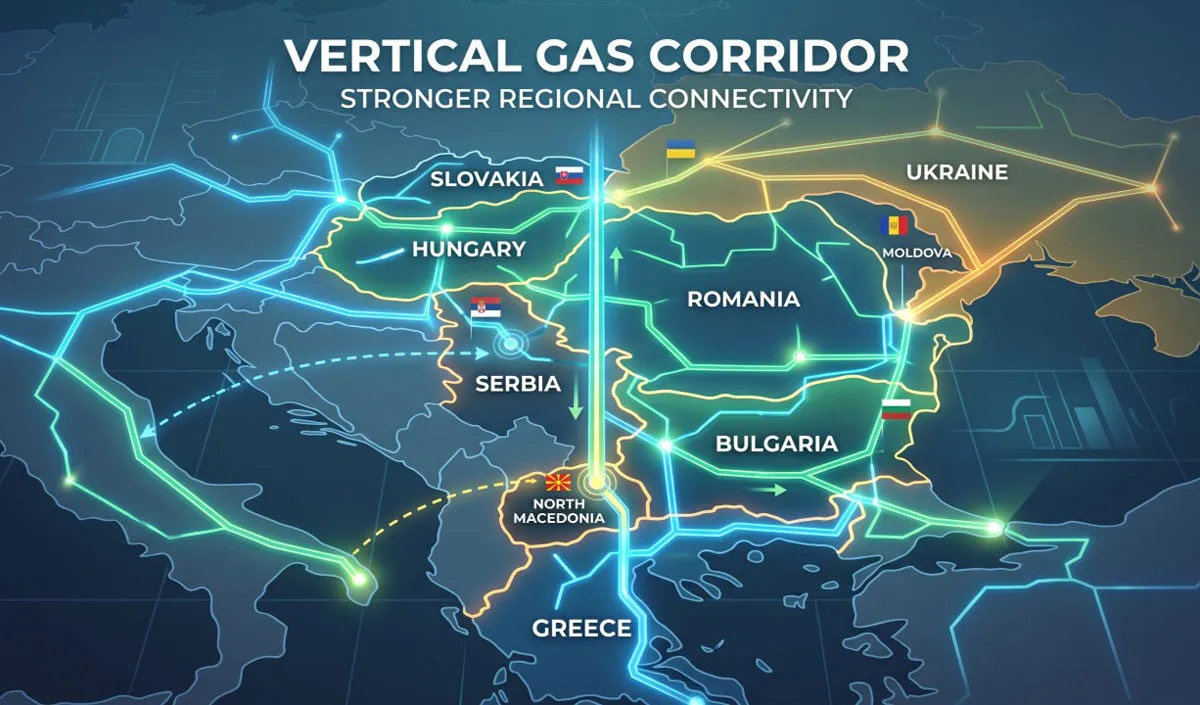
The Institute notes that the formation of new energy corridors in Moldova should be considered alongside the development of transport, port and border infrastructure. In the Danube–Black Sea region, energy security is increasingly becoming part of a broader resilience policy, in which electricity grids, logistics routes, ports and cross-border links function as interconnected elements.
For Ukraine, these changes are important in the context of regional policy, particularly with regard to Odesa Oblast, Ukrainian Danube communities and cooperation with Moldova and Romania. The strengthening of Moldova’s energy integration with the EU may create additional opportunities for joint projects in energy resilience, backup power supply, critical infrastructure and the support of key logistics hubs.
Thus, the Strășeni–Gutinaș project is significant not only for Moldova. It forms part of a broader process of reorienting the region towards European energy standards, strengthening security of supply and shaping a new infrastructure configuration on the eastern flank of the European Union.
 Ukraine
 Serbia
 Bulgaria
 Hungary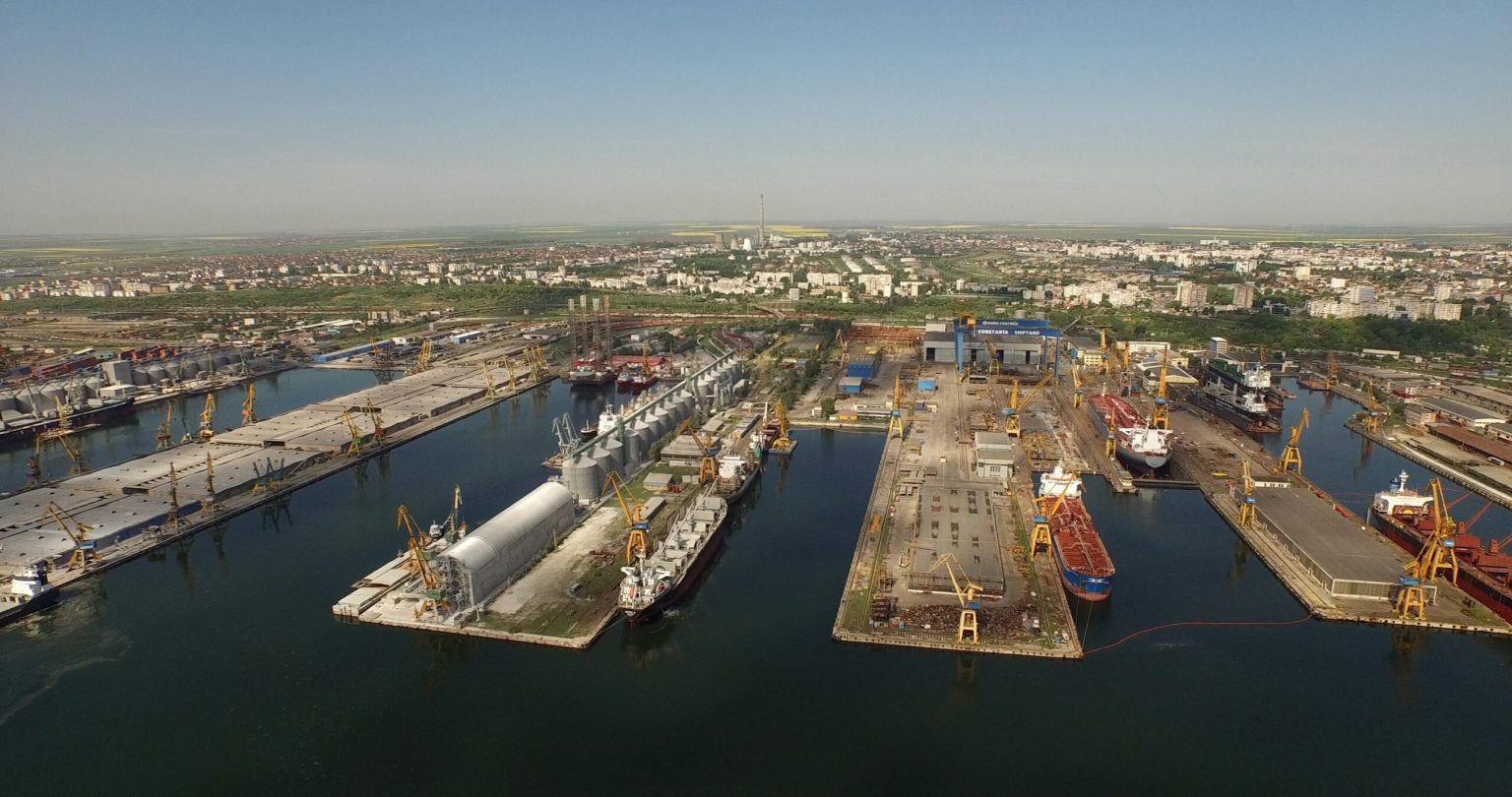
 Romania

 Danube