

Oilseed boom in the Black Sea–Danube region: production growth intensifies competition for markets
 Ukraine
11.05.2026
Ukraine
11.05.2026
The oilseed market in the Black Sea–Danube region is entering a phase of active growth and structural transformation. The region, which already plays a significant role in global agricultural trade, is strengthening its position as one of the key centres of oilseed production, processing and exports.
According to UkrAgroConsult analysts, in the 2026/27 season the area planted with oilseeds in the region may increase to approximately 35.2 million hectares, while total production could reach 71.5 million tonnes. This would mark a new record, but at the same time it may increase pressure on producers’ profit margins and intensify competition in external markets.
Sunflower remains the dominant crop. According to expert estimates, the Black Sea–Danube region accounts for around 72% of global sunflower production. This strengthens the region’s strategic importance for the global vegetable oil market, but also makes it more sensitive to price competition, logistics constraints, weather risks and changes in the trade policies of importing countries.
Soybean and rapeseed segments show different trends. Areas planted with soybeans are declining, while rapeseed cultivation is gradually expanding under the influence of economic, regulatory and market factors. This indicates a gradual adjustment in the crop structure and a search by producers for more profitable models of adaptation to demand, climate conditions and export market requirements.
At the same time, analysts emphasize that in the new season production volumes alone will not be decisive. Weather conditions, access to processing capacities, logistics, the stability of export routes and the ability of countries in the region to ensure a predictable presence in global markets are becoming increasingly important.
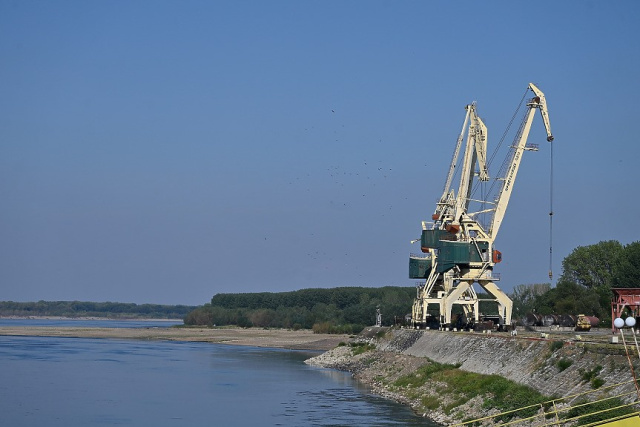
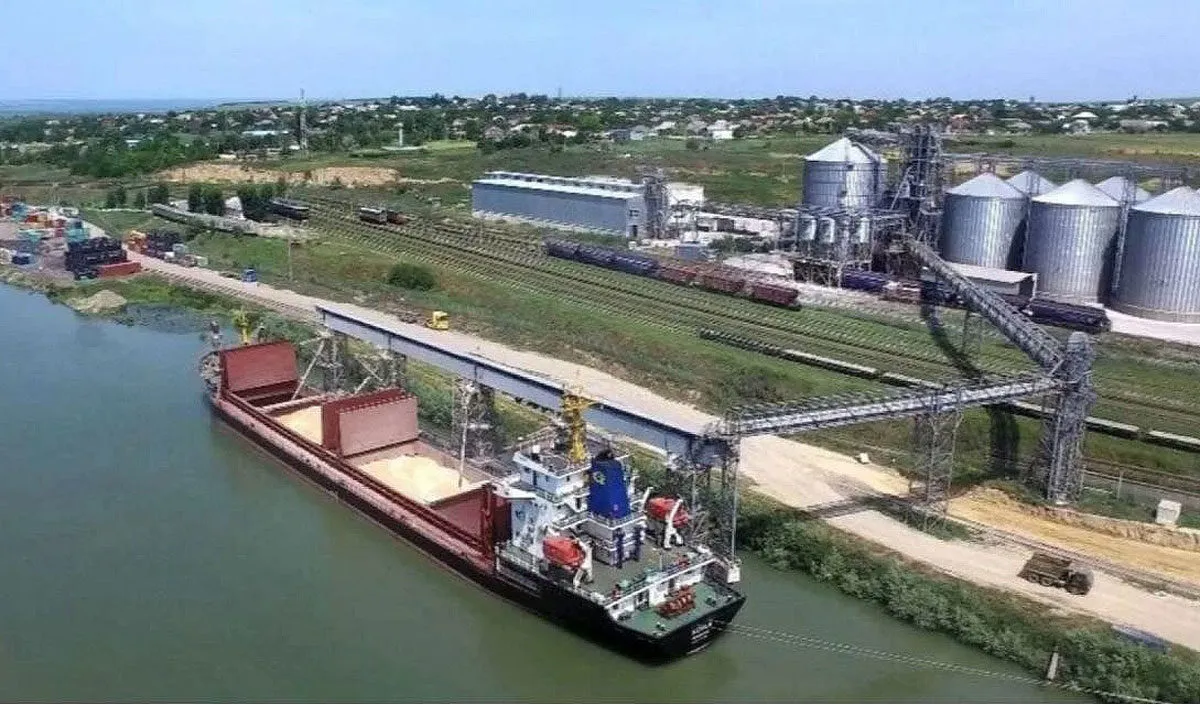
For Ukraine, this trend is particularly significant. The Black Sea–Danube region remains one of the key areas of agricultural logistics, where Danube ports, land border crossings, railway routes and processing infrastructure are shaping a new export configuration. Wartime conditions, risks to port infrastructure and shifts in trade flows only increase the importance of flexible logistics solutions.
IDR comment
The Institute of Danube Research notes that the growth of oilseed production in the Black Sea–Danube region should be viewed not only as an agricultural trend, but also as a factor of economic, logistics and infrastructure competition.
“The oilseed boom means that the region is entering a new stage of competition not only for harvests, but also for routes, processing capacities, access to ports and stable export channels. For Ukraine, this is especially important, as added value should be created not only in the field, but also in processing, logistics and the ability to deliver products quickly to external markets. In this context, the Danube direction is gaining strategic importance as an element of agricultural export resilience,” IDR emphasizes.
According to IDR, the growing role of sunflower, rapeseed and other oilseeds creates both opportunities and risks for Ukraine’s Danube region. On the one hand, it may stimulate the development of elevator, port, transshipment and processing infrastructure. On the other hand, stronger competition among exporters will require Ukraine to improve the quality of logistics services, ensure a predictable tariff policy and strengthen coordination between the agricultural, transport and port sectors.
IDR underlines that Ukraine’s future competitiveness in the oilseed market will depend not only on planted areas or record harvests. The decisive factors will be the ability to increase domestic processing, diversify export routes, modernize Danube logistics and integrate agricultural exports into the broader system of Black Sea–Danube transport corridors.
Thus, the projected growth of oilseed production in the 2026/27 season is not only an economic opportunity, but also a governance challenge. Ukraine’s regional advantage should be built through a combination of agricultural potential, infrastructure capacity, processing development and a stable presence in international markets.
 Moldova


 Serbia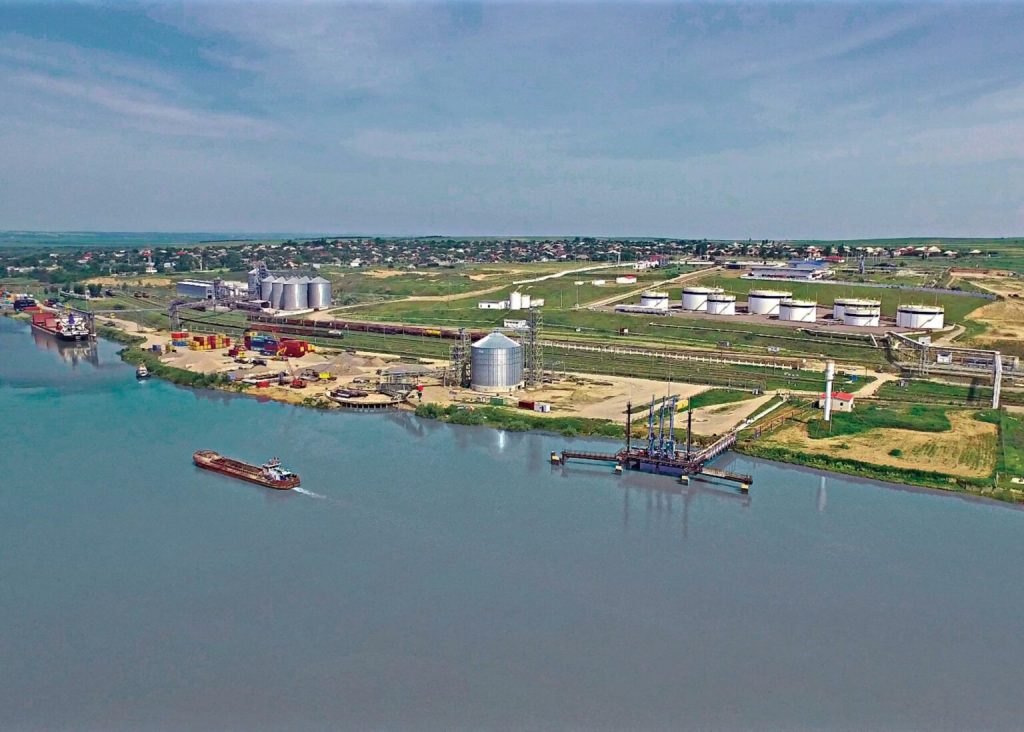

 Bulgaria
 Hungary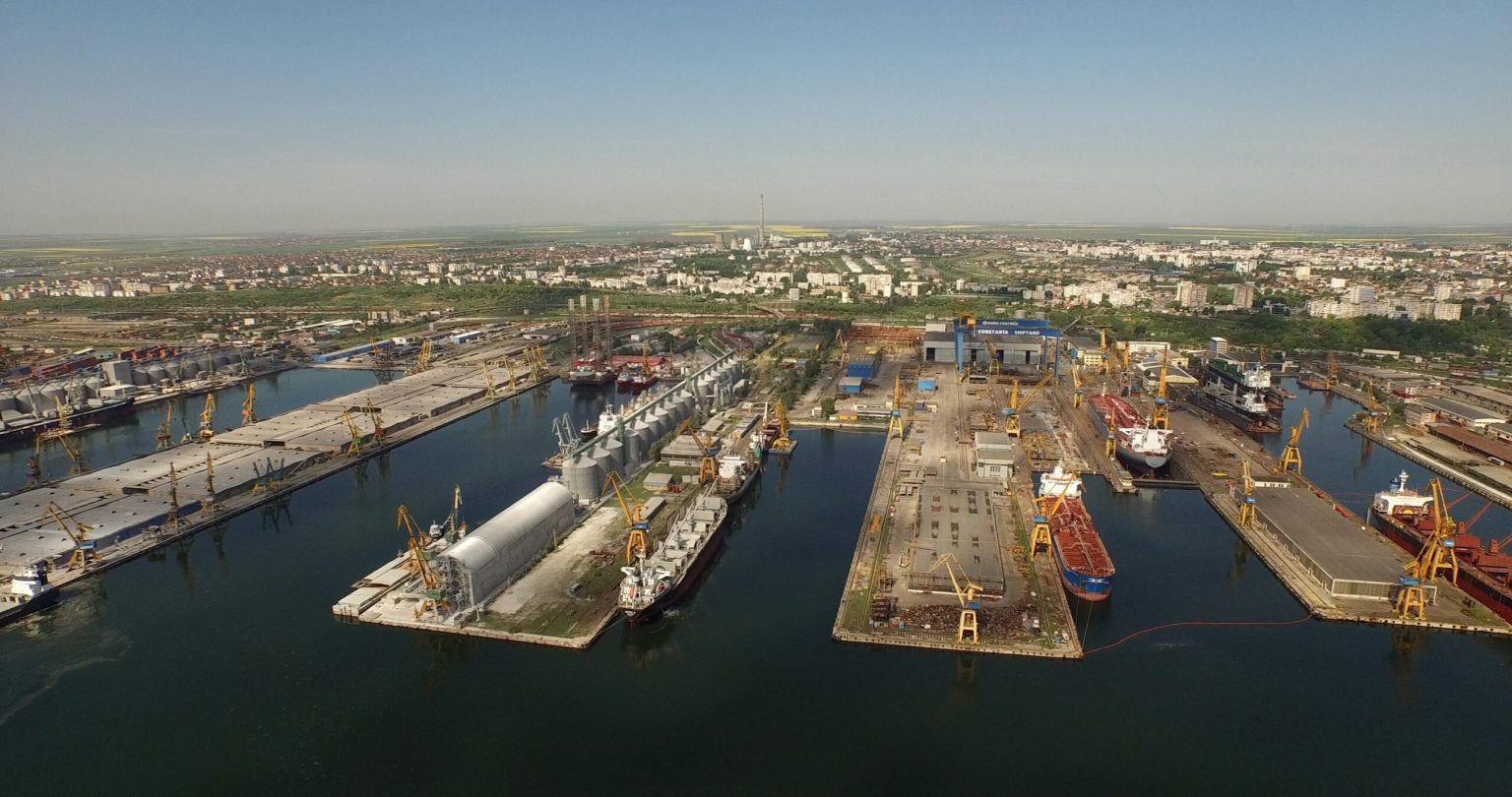
 Romania

 Danube