

Moldova Restores Railway Connection to the Port of Giurgiulești
 Moldova
05.05.2026
Moldova
05.05.2026
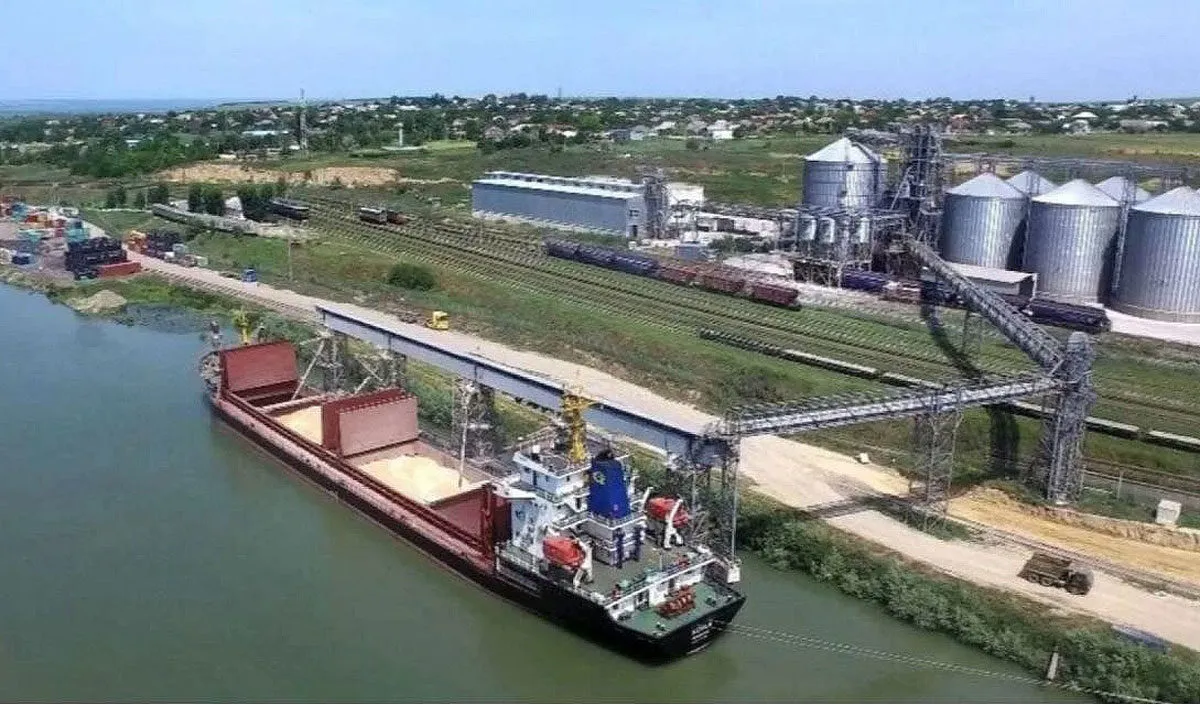
The State Enterprise “Railway of Moldova” is restoring a critically important section of the Cahul–Giurgiulești railway line, which provides direct access to the Giurgiulești International Free Port — the only maritime port of the Republic of Moldova. At the end of April, train movement was successfully tested on the restored section near the village of Văleni, while the official reopening of traffic is scheduled for 7 May.
The project concerns the reconstruction of a damaged section of approximately 400 metres, which forms part of the strategic route to the Port of Giurgiulești. This line is of particular importance for Moldova’s transport system, as it connects the south of the country with port infrastructure on the Danube and creates opportunities for cargo transshipment toward the Black Sea.
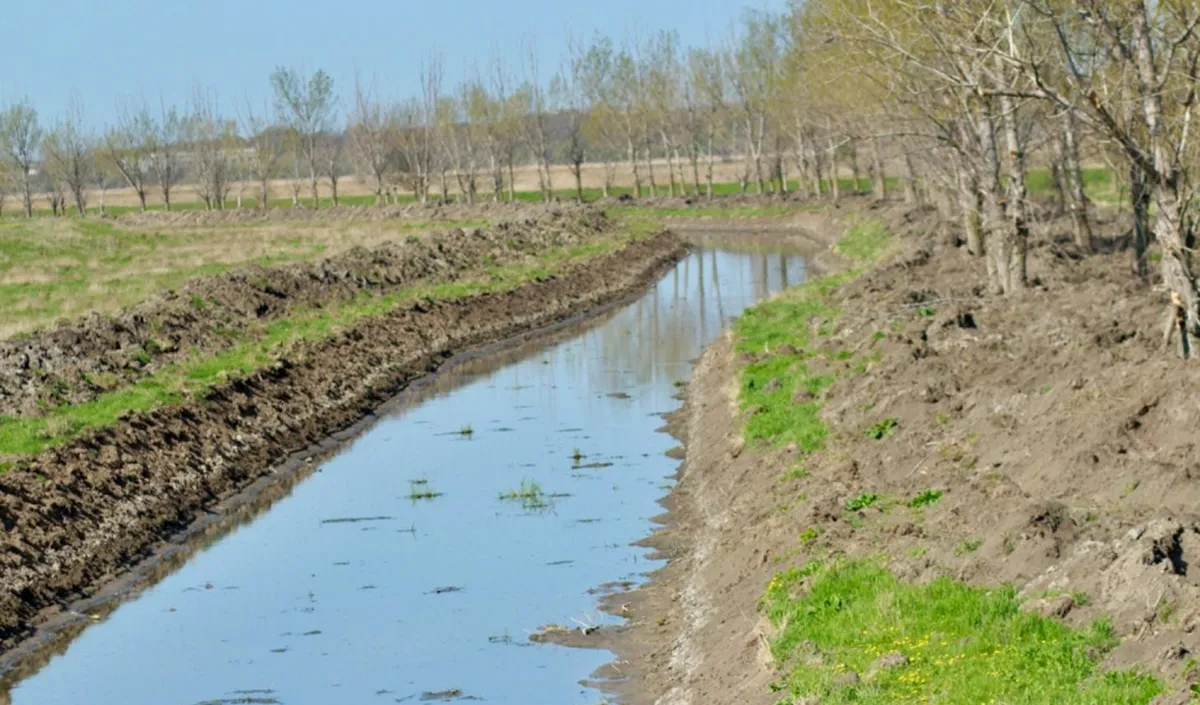
The section near Văleni was seriously damaged in 2022 as a result of soil subsidence and erosion, which led to the suspension of traffic on this part of the line. After a break of almost four years, the restored infrastructure has undergone testing for strength and operational readiness.
As part of the works, the embankment was reinforced, drainage systems were installed, and key elements of the track infrastructure were renewed, including rails, sleepers, and ballast. According to previously published data, the State Enterprise “Railway of Moldova” had announced a tender for the restoration of this section with an estimated value of 53.4 million lei.
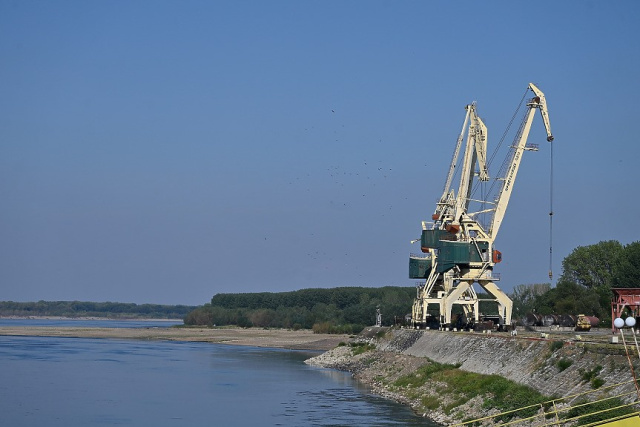
The Giurgiulești International Free Port is a strategic transport hub for Moldova, providing the country with access to Danube and Black Sea logistics. The restoration of direct railway connection to the port has practical importance for the transportation of grain, agricultural products, construction materials, and other cargo.
For the Moldovan economy, this means an opportunity to reduce logistical constraints, improve the stability of export routes, and strengthen the role of Giurgiulești as a key point in the southern transport corridor.
This is particularly important in a context where regional logistics have undergone significant transformation since 2022. Danube ports, railway crossings, road corridors, and border infrastructure have become elements not only of economic development, but also of security resilience.
The restoration of the Cahul–Giurgiulești railway direction should be viewed in the broader context of transport cooperation between Moldova, Ukraine, and Romania. Southern Moldova, the Ukrainian Danube region, and the Romanian port system form an interconnected logistics space in which each infrastructure change affects the capacity of the entire region.
For Ukraine, this development has additional significance given the role of alternative export routes, the functioning of the Danube ports of Izmail, Reni, and Ust-Dunaisk, as well as the development of related infrastructure near the borders with Moldova and Romania.
The restoration of the Moldovan railway section may increase competition between logistics routes, but at the same time it creates grounds for stronger coordination in transport, border cooperation, port planning, and the development of multimodal corridors.
Comment by the Institute of Danube Research
According to the Institute of Danube Research, the restoration of railway connection to the Port of Giurgiulești is an important step toward strengthening the logistical resilience of southern Moldova and the wider Danube-Black Sea region.
“The Port of Giurgiulești is a strategic transport gateway to the Danube and the Black Sea for Moldova. Restoring railway access to it strengthens the country’s export potential, but at the same time affects the entire regional logistics architecture. For Ukraine, it is important to view such processes not only as competition, but also as an element in the formation of a common transport space, where coordinated action by Moldova, Romania, and Ukraine can increase the resilience of the entire southern direction,” the Institute of Danube Research notes.
The IDR emphasizes that modern logistics in the Danube-Black Sea region increasingly depend on the quality of railway access to ports. Rail transport makes it possible to handle large cargo flows, reduce pressure on road infrastructure, and increase the predictability of export operations.
For Moldova, the restoration of the Cahul–Giurgiulești section is an infrastructure decision of national importance. For the region, it is another signal of the gradual formation of a new transport configuration in which Danube ports, railway corridors, and border crossings should function as complementary elements.
The restoration of railway connection to the Port of Giurgiulești is an important infrastructure step for Moldova. It improves access to the country’s only maritime port, opens opportunities to increase freight traffic, and strengthens the role of southern Moldova in regional logistics.
In a broader dimension, this decision is also important for Ukraine. The development of transport routes around Giurgiulești, Reni, Izmail, and Romanian Danube ports is shaping a new reality in which the key task is not only competition for cargo flows, but also coordination of infrastructure policy in the interests of resilience, security, and European integration of the Danube-Black Sea area.
 Ukraine
 Serbia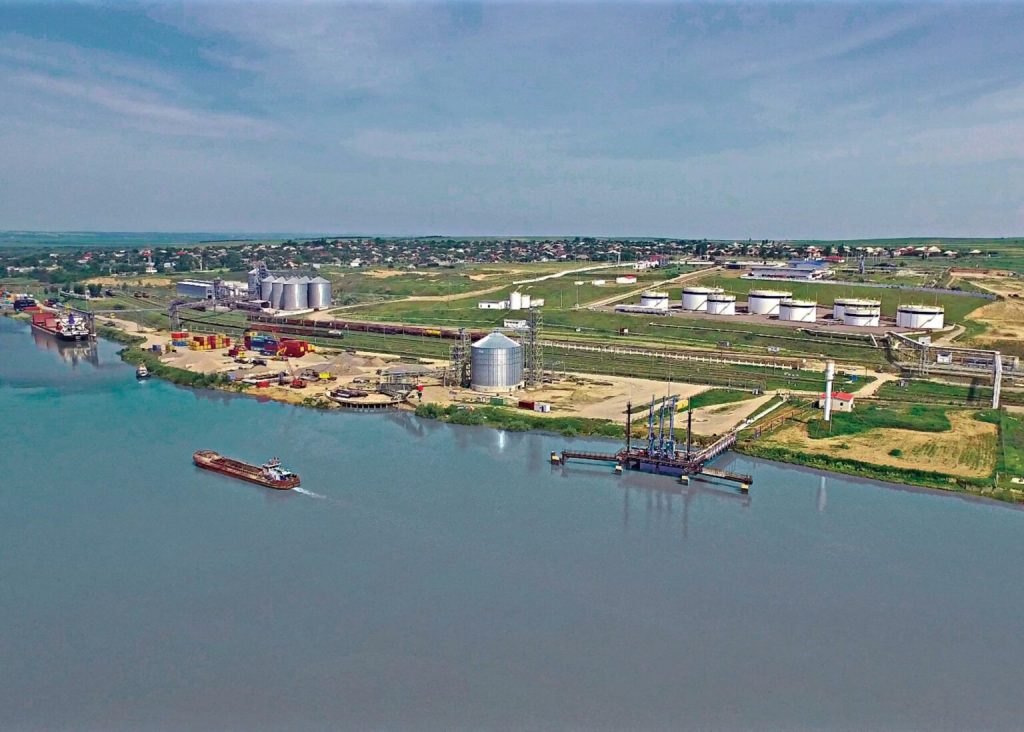

 Bulgaria
 Hungary
 Romania

 Danube