

Biliaivka community launches international eco-projects to restore Lake Bile and the Turunchuk River
 Ukraine
04.05.2026
Ukraine
04.05.2026
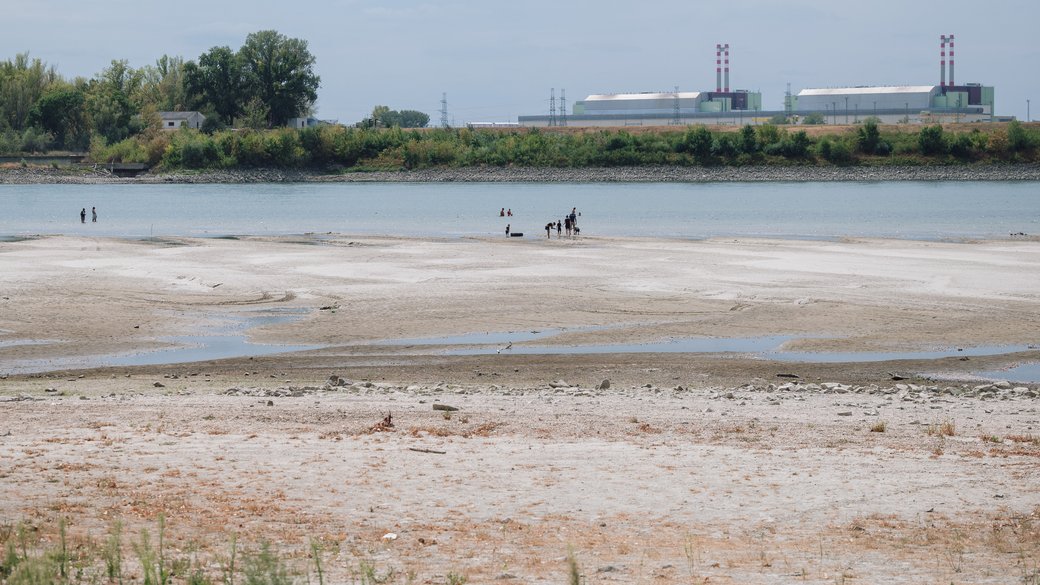
Two international environmental projects have started in the Biliaivka urban territorial community of Odesa Oblast, aimed at restoring the Turunchuk River and Lake Bile. The initiatives seek to improve water quality, restore natural water exchange, preserve biodiversity and create new conditions for the sustainable development of the Lower Dniester area.
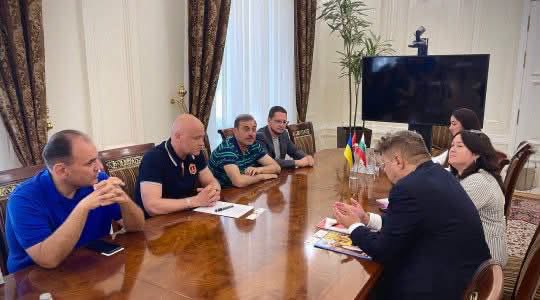
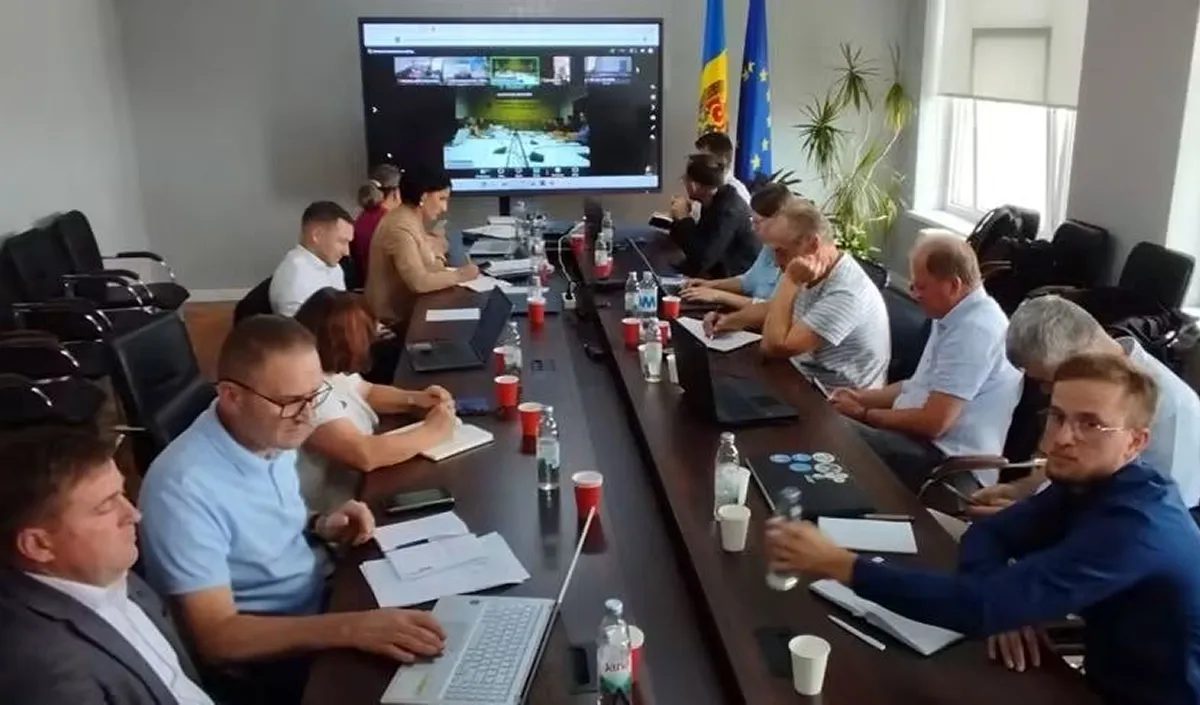
The start of cooperation was reported by the Biliaivka City Council. According to the municipality, the community held online meetings with representatives of the University of Natural Resources and Life Sciences Vienna — BOKU, which resulted in the launch of the DANUBElifelines / “Danube Lifelines” project. Its objective is to restore the natural hydrological connection between the Turunchuk River and floodplain lakes, including Lake Bile.
In the wider European context, DANUBElifelines is positioned as a cross-border initiative focused on restoring fish migration routes and river habitats in the Danube Basin. The project brings together partners from 11 countries and is funded under the Horizon Europe programme.
For the Biliaivka community, participation in this project is particularly important, as the Turunchuk River and the floodplain lakes of the Lower Dniester form part of a complex wetland system. The quality of water, the condition of fish resources, the natural resilience of the area and the community’s tourism potential all depend on the state of this ecosystem. Restoring the water connection between the river and Lake Bile may help improve habitats for migratory fish, reduce stagnant processes in water bodies and increase the area’s natural adaptive capacity in the context of climate change.
A separate area of international cooperation is the BLAST — “Bile Lake Aquatic System Transformation” project, discussed through contacts with the coordinators of the FERRO programme. Its aim is to restore the ecological and hydrological functioning of Lake Bile by reducing nutrient levels, improving water exchange and restoring natural habitats.
Among the key objectives of BLAST are improving water quality, reducing eutrophication, supporting biodiversity, increasing resilience to droughts and wildfires, and creating conditions for sustainable development, including ecotourism, fisheries and agriculture.
Lake Bile is one of the floodplain lakes of the Lower Dniester delta system. According to the Biliaivka City Council, it is connected to the main channel of the Dniester by a watercourse, is approximately 1.7 km long and 0.8 km wide, and serves as an important natural habitat for birds, aquatic vegetation and fish resources.
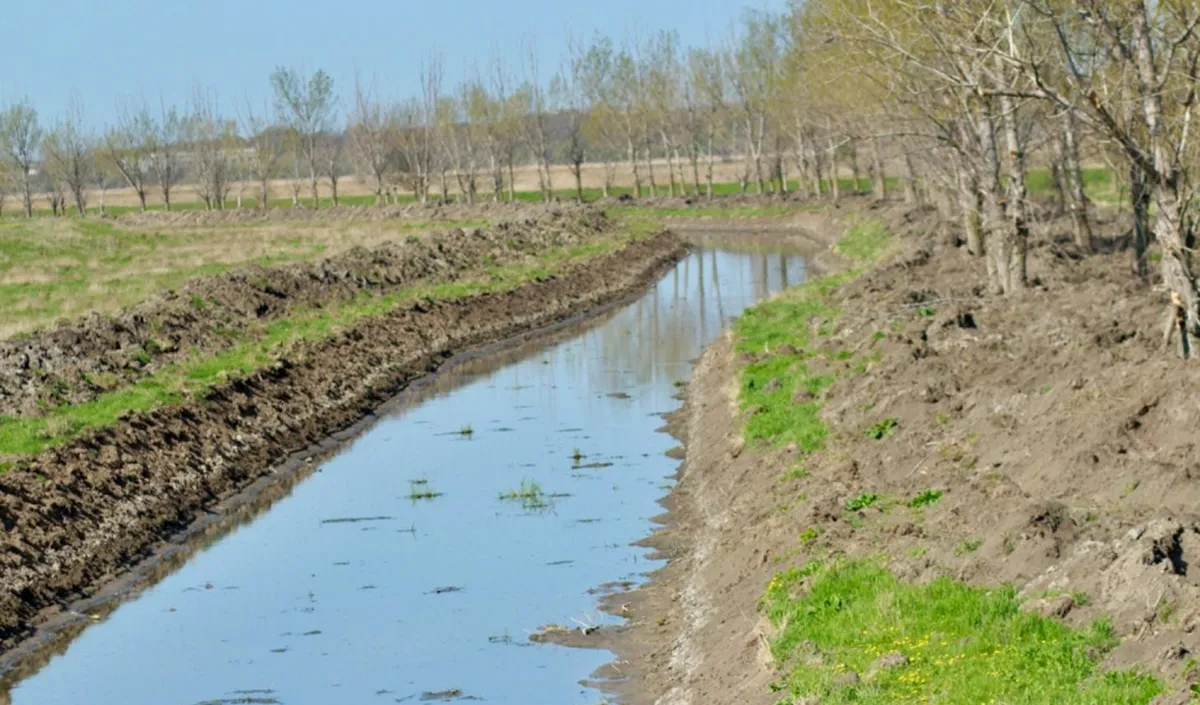
The significance of these initiatives goes beyond environmental policy alone. They are directly linked to the community’s development strategy, which provides for the creation of the “Picturesque Turunchuk” recreational area, the development of green tourism, ecological trails, tourist locations, camping sites and related infrastructure. At the same time, the practical implementation of such plans requires the clearing of riverbeds and canals, the improvement of access roads, the creation of safe recreational infrastructure and continuous environmental monitoring.
IDR comment
According to experts of the Institute of Danube Research, the launch of international eco-projects in the Biliaivka community is an important example of how local self-government can integrate environmental objectives with sustainable development policy.
“The restoration of Lake Bile and the Turunchuk River is not only an environmental project. It is about shaping a new model of community development, where water, biodiversity, recreation, tourism and the local economy are treated as interconnected elements. For Odesa Oblast, such initiatives are of particular importance, as the Lower Dniester is a strategic natural system on which the quality of life, the potential of green tourism and the environmental security of the region depend,” the Institute noted.
In IDR’s assessment, the participation of the Biliaivka community in international environmental initiatives demonstrates an important trend: communities are gradually moving from isolated improvement measures to comprehensive natural resource management. This approach corresponds to the European logic of restoring aquatic ecosystems, where local development is combined with scientific expertise, international funding and the involvement of residents in decision-making.
It is particularly important that the DANUBElifelines and BLAST projects can create a practical platform for the Biliaivka community to combine environmental policy with economic development. Restoring water exchange, reducing eutrophication and improving natural habitats can strengthen the tourist attractiveness of the area, support local initiatives in green tourism and create additional opportunities for small business development.
The launch of international projects to restore Lake Bile and the Turunchuk River is an important step for the Biliaivka community and the entire Lower Dniester region. It demonstrates how a community can use European instruments, scientific cooperation and nature-based solutions to restore aquatic ecosystems, strengthen climate resilience and build a long-term model of sustainable local development.
 Moldova

 Serbia
 Bulgaria
 Hungary
 Romania
 Danube